
Last updated 2026-07-09
TL;DR
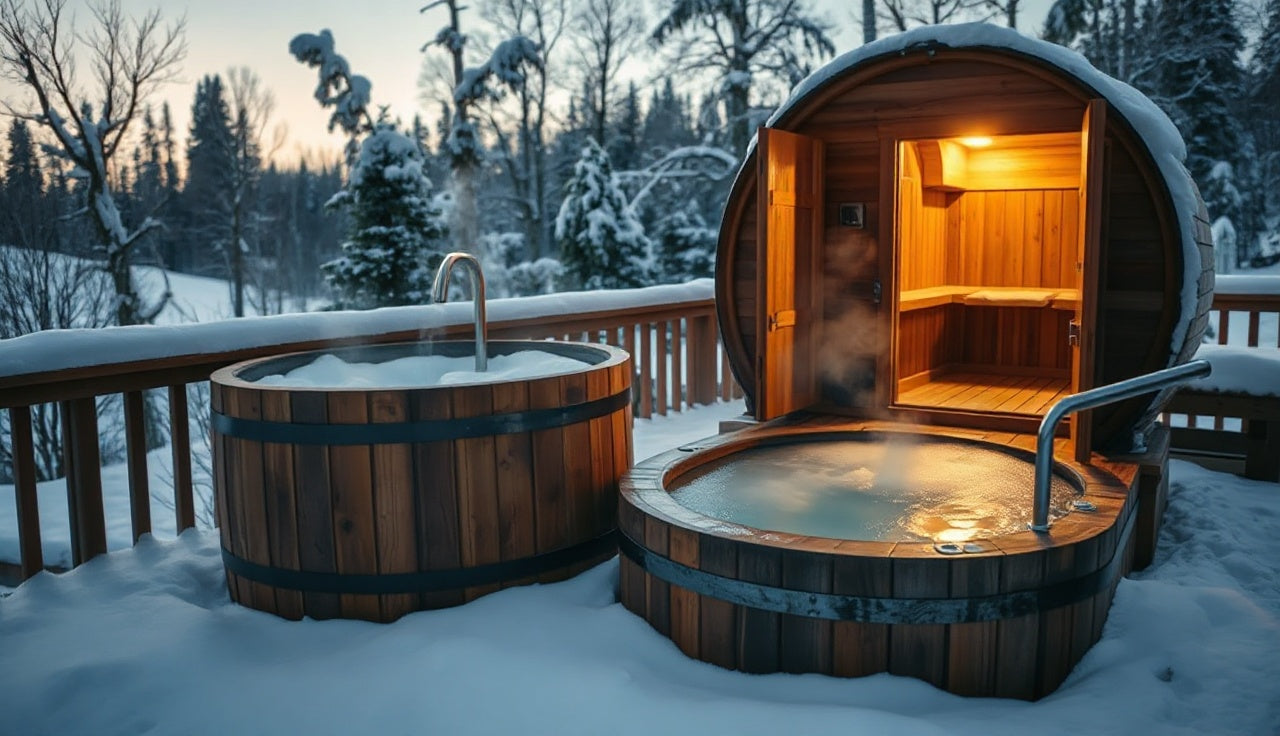
R3 spa is a contrast therapy concept pairing sauna sessions with cold plunge immersion, cycling through heat, cold, and rest to drive circulation, recovery, and stress adaptation. Sessions typically run 60-90 minutes. The protocol is backed by real physiology research, though no single branded "R3" study exists. You can replicate it at home for a fraction of the spa price.
What is an R3 spa and what does "R3" actually mean?
R3 stands for Recover, Restore, Rejuvenate, at least in the wellness spa branding that popularized the name. The term is a marketing label, not a clinical protocol. What sits underneath it is contrast therapy: alternating sauna heat and cold plunge immersion, usually separated by a passive rest period.
The core idea is old. Finnish and Scandinavian sauna culture has used hot-cold cycling for centuries. Nordic spa brands, particularly in Canada and the northern US, formalized it into timed circuit formats around the late 2000s and early 2010s, and names like "R3" or "thermal circuit" started appearing on spa menus to describe essentially the same thing.
A standard R3-style session looks like this: 15-20 minutes in a dry sauna or steam room at 170-195°F, then 30-90 seconds in a cold plunge at 50-59°F, then 10-15 minutes of quiet rest. Repeat two to four times. Total session: 60-90 minutes. The rest phase matters because part of the cardiovascular benefit comes from letting your body drift back toward baseline between rounds, more than from the temperature extremes themselves.
See "R3 spa sauna cold plunge" on a spa menu and you're looking at a branded version of contrast therapy. Knowing that tells you exactly what the science does and doesn't support. It also tells you that you can build a version of this at home without paying spa prices every week.
What does the science say about sauna and cold plunge contrast therapy?
The physiology behind contrast therapy is real. It's not well-studied under the "R3" label specifically, but the individual pieces have solid research.
On the sauna side, a large Finnish cohort study published in JAMA Internal Medicine in 2015 followed 2,315 men over 20 years and found that men who used a sauna four to seven times per week had a 40% lower risk of all-cause mortality compared to once-weekly users [1]. That's an association, not a controlled trial, but the size of it is hard to dismiss. Heat exposure raises core temperature, pushes heart rate to levels resembling moderate aerobic exercise, and triggers heat shock protein production, which helps cells repair damaged proteins [2].
On the cold plunge side, cold water immersion (CWI) at 50-59°F causes rapid vasoconstriction, norepinephrine release (sometimes reported 2-3 times above baseline in short exposures), and a shift toward parasympathetic tone after the exposure ends [3]. A 2015 systematic review in the British Journal of Sports Medicine found that CWI reduced perceived muscle soreness and recovered sprint performance faster than passive rest in athletes, though effect sizes were moderate and varied by sport [4].
The combination, contrast water therapy or CWT, has been studied in athletic recovery. A 2013 review in the Journal of Strength and Conditioning Research found CWT "more effective than passive recovery for reducing delayed onset muscle soreness" in the 24-72 hours after exercise [5]. Nobody has perfect data on the exact temperature sequence, number of rounds, or rest duration that maximizes benefit. The closest thing to consensus: hotter sauna temperatures (around 176-212°F / 80-100°C) and colder plunge temperatures (around 50-59°F / 10-15°C) produce stronger cardiovascular and norepinephrine responses than milder versions.
For recovery specifically, one nuance is worth knowing. Aggressive cold immersion right after strength training may blunt hypertrophy signaling by suppressing mTOR and satellite cell activity [6]. If you're trying to build muscle, timing your cold plunge at least 4-6 hours after lifting, or doing it on a separate day, is probably smarter than plunging immediately post-workout. For general wellness, stress adaptation, and recovery from endurance work, that timing concern is much smaller.
If you want to go deeper on the heat side, our sauna benefits guide covers the research in more detail.
How does a typical R3 spa session work, step by step?
Most R3-style spas run sessions on a circuit you control yourself. There's no instructor timing you. The facility provides the equipment, and you move through at your own pace within general guidelines posted on the wall.
Here's a typical three-round structure:
Round 1: Enter the sauna (dry Finnish or infrared) at 170-195°F. Stay 15-20 minutes. You should be sweating heavily by minute 8-10. Exit, cool down with a brief shower or rinse, then step into the cold plunge. Immerse to the shoulders for 30-90 seconds. Some facilities let you stay up to 3 minutes. Exit. Rest in a quiet relaxation room for 10-15 minutes. Drink water.
Round 2: Repeat. Most regulars find the second sauna stint feels hotter because their baseline is already elevated. The cold plunge feels more tolerable because the shock response fades with repeated exposure.
Round 3: Same sequence. Some people do a fourth round. Most are satisfied with three.
The rest phase is not optional filler. Parasympathetic recovery happens in rest, and that's where a lot of the perceived "calm" and mood benefit comes from. Skipping rest to cram in more rounds works against you.
Spa prices for this experience range from $45-$120 per session depending on location and amenities, with monthly memberships often running $100-$250/month for unlimited access [these ranges reflect publicly posted rates at Nordic spa operators across North America as of 2024-2025; individual facilities vary]. That math adds up fast if you want to use contrast therapy weekly as a recovery tool, which is exactly why building a home setup makes financial sense for consistent users.
| 1x per week (baseline) | 0% |
| 2-3x per week | 24% |
| 4-7x per week | 40% |
Source: JAMA Internal Medicine, Laukkanen et al., 2015
What equipment do you need to set up an R3-style sauna and cold plunge at home?
You need three things: a heat source, a cold plunge vessel, and space to rest between rounds. That's it. The "spa" part is mostly ambiance.
For heat, a traditional Finnish barrel sauna or an indoor electric sauna gives you the closest match to commercial R3 facilities. Temperatures in the 170-195°F range need a proper sauna heater and insulated enclosure, not an infrared cabinet (infrared runs 120-150°F, which is a different experience and a lighter cardiovascular stimulus). A quality two-to-four person indoor electric sauna from reputable brands runs roughly $2,000-$6,000 installed. Outdoor barrel saunas run $3,000-$9,000 depending on size and wood species [these are market ranges based on current retail pricing; single-source quotes vary]. Our home sauna and outdoor sauna guides cover what to look for.
For the cold plunge, options range from a stock tank or chest freezer conversion ($300-$800 DIY) to purpose-built cold plunge tubs with chillers and filtration ($2,500-$8,000+). The chiller matters if you want consistent temperature control year-round without constantly adding ice. Our cold plunge guide walks through the full range.
For the rest space, a bench, a towel, and somewhere quiet works fine. Nordic spas spend heavily on this because it's what makes the experience feel premium. At home, a comfortable outdoor deck chair or a heated indoor lounge space does the same job.
| Setup Type | Rough Cost Range | Notes |
|---|---|---|
| Budget DIY (stock tank + basic sauna) | $1,500-$4,000 | Limited temp control, works fine for core protocol |
| Mid-range home system | $5,000-$12,000 | Electric sauna + entry cold plunge with chiller |
| Premium home spa | $15,000-$30,000+ | Barrel sauna + high-end plunge + landscaping/enclosure |
| Spa membership (annual) | $1,200-$3,000/yr | No capital cost; ongoing expense forever |
For most people doing three or more sessions per week, a mid-range home setup pays back within 2-4 years compared to a spa membership, and you own the asset at the end.
What temperature should the sauna and cold plunge be for contrast therapy?
For the sauna, traditional Finnish protocols target 80-100°C (176-212°F) with relative humidity around 10-20% for dry sessions [7]. Most R3-style facilities run their saunas at the lower end of that range, around 170-185°F, because mixed-use commercial rooms need to accommodate newcomers. If you're building at home and you're experienced, running hotter is fine and produces a stronger cardiovascular response.
For the cold plunge, the research clusters around 10-15°C (50-59°F) for meaningful cold shock response and norepinephrine elevation [3]. Below 50°F is more extreme and not meaningfully better for most wellness goals. It just increases discomfort and the risk of hyperventilation if you're not careful. Above 60°F produces a milder response that still has benefit but feels closer to a cool bath than a true cold plunge.
Duration in the cold plunge matters as much as temperature. In research, 1-3 minutes at 50-59°F is the most common protocol. Some spas allow up to 5 minutes. Beyond that, the benefit plateaus and hypothermia risk grows, especially for smaller-bodied individuals.
The rest period temperature doesn't matter much as long as it's comfortable. 65-72°F is typical. Some people use a tepid shower between sauna and cold plunge to wash off sweat before immersion, which is good hygiene in a shared plunge but optional at home.
Who should avoid the R3 sauna and cold plunge protocol?
This is not a niche concern. Contrast therapy involves real cardiovascular stress, and some people should not do it without medical clearance.
The American Heart Association notes that sauna use in people with stable cardiovascular disease is generally tolerated, but emphasizes individual physician guidance before starting heat therapy [8]. If you have uncontrolled hypertension, a recent cardiac event, or arrhythmia, the cardiovascular swings from hot-cold cycling are not something to self-experiment with.
Pregnancy is a clear contraindication for both hot sauna use (which can raise core temperature to fetal-risk levels above 102°F) and cold plunge immersion. The combination is a hard no during pregnancy.
Skin conditions that react to temperature extremes, Raynaud's phenomenon, peripheral vascular disease, and active infections with fever are all reasons to pause or avoid [12]. People with epilepsy should be cautious about hot environments, and cold shock can also trigger seizures in some individuals.
For healthy adults with no major cardiovascular or neurological conditions, the risk profile is low. The most common adverse events in sauna research are dizziness and fainting from dehydration or orthostatic hypotension after exiting. Drinking 500ml of water before a session and moving slowly when you stand up covers most of that risk.
If you're over 60 and new to this, start with shorter heat exposures (10 minutes) and warmer cold plunge temperatures (around 60°F), and work down gradually. The protocol adapts to you. You don't have to start at full Nordic intensity to get real benefit.
How does the R3 protocol compare to regular sauna-only or cold plunge-only sessions?
Honest answer: we don't have a controlled trial comparing R3-style cycling head-to-head against sauna-only or cold-plunge-only protocols for health outcomes over months or years. The research tends to study the modalities separately.
What the available evidence supports: sauna-only and cold-plunge-only each produce real physiological effects. Adding the contrast cycling likely stacks some benefit on top of either alone, particularly for acute recovery, mood, and the cardiovascular "exercise" effect from repeated large temperature swings. If you can only have one, a quality sauna gives you more research-backed long-term health associations [1]. The cold plunge amplifies the experience and adds its own acute effects, particularly on norepinephrine and alertness [3].
For athletic recovery specifically, the contrast protocol edges out either modality alone in the short-term soreness and performance recovery data [5]. For general cardiovascular health and longevity associations, the sauna literature is deeper and more compelling than the cold plunge literature, largely because the Finnish cohort data has 20-year follow-up windows that CWI studies don't have.
If budget forces a choice, I'd buy the sauna first and use a cold shower as an interim substitute (less effective, but not nothing), then add a proper cold plunge when finances allow. Our ice bath guide covers lower-cost cold immersion options if you're not ready for a full plunge setup.
Our sauna vs steam room comparison helps if you're deciding which heat source fits your space.
What are the real benefits of regular contrast therapy, and how long does it take to notice them?
People who do contrast therapy consistently report three things almost universally: better sleep, improved mood, and faster perceived recovery from exercise. The timing on each differs.
Sleep improvement is often the first thing people notice, sometimes within the first week of regular use. The evening body-temperature drop triggered by heat followed by cold mimics the natural circadian temperature drop that cues sleep onset. A 2019 meta-analysis in Sleep Medicine Reviews found that passive body heating before bed improved subjective and objective sleep quality [9].
Mood and stress reduction tend to show up within two to four weeks of consistent use. The norepinephrine and endorphin release from cold water immersion, combined with the parasympathetic activation during rest periods, produces a calm-alertness that users describe as similar to a long meditation session. This is more than placebo. The neurochemical changes are measurable in research settings [3].
Cardiovascular and recovery benefits build over months. The Finnish sauna mortality data is compelling, but it reflects decades of regular use, not a two-week experiment. Think of this like exercise: the benefits compound with consistency, and they don't arrive on a timeline that feels immediately rewarding. You're building a practice.
For muscle recovery, the benefit window is acute (within 24-72 hours post-training) [5], so athletes tracking performance metrics will notice it session by session.
One honest caveat: the mood and energy lift people report after contrast therapy may partly reflect the social environment of a good spa, the break from screens, and simple hydration. Isolating the temperature effects from the environmental factors is harder in real life than in a lab.
How much does an R3 spa membership or session cost, and is it worth the price?
Single-session pricing at Nordic and R3-style contrast therapy spas runs roughly $45-$120 in most North American markets as of 2024-2025. Urban markets in cities like Toronto, Montreal, New York, and Los Angeles sit toward the top of that range. Regional markets run lower. Some facilities offer day-pass pricing that includes extra amenities like massage or halotherapy.
Monthly memberships for unlimited contrast therapy access typically run $100-$250/month, sometimes more at premium urban facilities. At $150/month, that's $1,800/year, every year, with no asset at the end.
A mid-range home setup (solid electric sauna plus a quality cold plunge with chiller) runs roughly $7,000-$14,000 all-in installed. At $1,800/year in avoided spa fees, that pays back in 4-8 years, and you get more sessions, more privacy, and complete control over temperature and timing. If you currently go twice a week at single-session pricing, the payback is faster.
The spa experience has genuine value for people who don't have the space or capital for a home setup, or who value the social and physical atmosphere of a well-designed facility. Some of the top Nordic spa experiences (think Scandinave in Whistler or Thermëa across Canada) are beautiful environments worth experiencing at least occasionally even if you have a home setup. As a pure weekly recovery tool, the home math wins decisively for consistent users.
SweatDecks covers a range of home sauna and cold plunge options across many price points if you want to spec out what a home setup actually costs.
Can you do R3-style contrast therapy at home without a sauna or commercial cold plunge?
Yes, with some trade-offs.
For heat, a hot bath at 104-106°F gets you meaningful passive heat exposure if you stay in 20-30 minutes. It's not the same as a 185°F sauna, but it raises core temperature and triggers some of the same heat shock and cardiovascular responses. Some people use a portable sauna as an intermediate step. Steam rooms also work steam room. The experience is different and generally produces less intense heat stress, but it's not nothing.
For cold, a cold shower (turn it to full cold, stay in 1-3 minutes) produces some of the norepinephrine response and definitely produces the cold shock breathing response. A 2016 randomized controlled trial published in PLOS ONE with 3,018 participants found that cold showers were associated with reduced sick leave and improved quality of life scores, though the effect sizes were modest [10]. Not a plunge, but real enough to start building tolerance and habit.
An alternative for cold that beats a shower but costs less than a commercial plunge: a large stock tank (the galvanized livestock kind, 100-150 gallons) costs $150-$300, and you can add bags of ice to get it below 60°F. This is genuinely how a lot of people start before upgrading to a chilled unit. It works.
The entry point for home contrast therapy is lower than most people think. The premium equipment just makes the experience more consistent, more comfortable to maintain, and easier to sustain long-term.
What should you look for when choosing a commercial R3 or contrast therapy spa?
Not all contrast therapy spas are built the same. A few things separate a genuinely good facility from a spa riding the trend with mediocre execution.
Temperature accuracy matters. The sauna should actually hit 170-190°F. Ask, or check a posted thermometer. Cold plunge water should sit consistently at 50-59°F with filtration that turns the water over frequently, ideally every 2-4 hours. Murky or warm plunge water is a red flag on both hygiene and operational care [11].
Capacity management matters a lot. A cold plunge shared by 40 people at peak time is both a hygiene concern and a noise concern that kills the rest-phase value. Good facilities cap session entry numbers and run booking systems. If you walk in during peak Saturday hours and there's a 20-minute wait for the plunge, the facility is under-resourced.
Rest space quality reflects the operator's grasp of the protocol. A facility that invests in quiet, warm, dimly lit rest zones understands that the rest period is part of the therapy. One that treats rest as dead space between sauna and plunge is run by people who think the temperature extremes are the whole story.
Hygiene protocols: pre-plunge showers should be mandatory, not suggested. The cold plunge pH and chlorine or alternative sanitizer levels should be checked and logged daily [11]. Ask about it. A good facility will have an answer.
Look at the sauna type too. Dry Finnish saunas with a proper kiuas (heater) and rocks you can ladle water on to create löyly (steam burst) provide the most traditional and intense heat experience. Infrared-only facilities are fine but deliver a materially different experience at lower temperatures. Neither is wrong, but know what you're paying for.
Frequently asked questions
What does R3 spa stand for?
R3 is a wellness branding term standing for Recover, Restore, Rejuvenate. It's not a standardized clinical protocol. Different spas use it to describe contrast therapy circuits that combine sauna heat sessions with cold plunge immersion and rest periods. The label is marketing; the underlying therapy is contrast water therapy, which has real physiological research behind it.
How long should you stay in the cold plunge during an R3 session?
Most research protocols and spa guidelines recommend 30 seconds to 3 minutes at 50-59°F per round. Beginners should start at 30-60 seconds. Beyond 3-5 minutes at those temperatures, the incremental benefit plateaus and hypothermia risk increases, particularly for smaller or leaner individuals. Slow, controlled breathing on entry reduces the cold shock hyperventilation response.
Is an R3 spa sauna and cold plunge safe for people with heart conditions?
The American Heart Association advises that people with cardiovascular conditions consult their physician before using saunas or cold water immersion. Contrast therapy involves real cardiovascular stress: heat raises heart rate significantly, and cold causes rapid vasoconstriction. People with stable, well-managed heart conditions are often cleared by their doctors, but this requires individual medical judgment, not a general green light.
Can you do R3 contrast therapy every day?
Physically, yes, most healthy adults can handle daily contrast therapy. Many Finnish sauna users have gone daily for decades. Practically, it's a lot of time (60-90 minutes per session). For recovery, research suggests two to four sessions per week is enough to see meaningful benefits. Daily use is probably fine but probably not necessary for most people's goals.
Does the order matter: sauna first or cold plunge first?
Sauna first is standard in both research and practice. Starting with heat allows deep vasodilation and core temperature rise, which makes the cold plunge contrast more dramatic and physiologically stimulating. Starting cold first reduces heat tolerance in the sauna. The traditional Nordic and Finnish sequence is always heat first, cold second, rest third. Ending on cold also leaves you calm and alert rather than hot and drowsy.
How is an R3 spa different from a regular gym sauna?
Gym saunas are usually standalone amenities with no cold plunge, no structured rest space, and often poor temperature consistency. An R3-style spa designs the entire experience around the contrast circuit: a hot sauna, a cold plunge vessel, and dedicated relaxation zones. The environmental design, higher sauna temperatures, and cold plunge integration are what set it apart from a locker-room sauna you sit in for 10 minutes.
Will cold plunge after sauna help with muscle soreness?
Yes, with some caveats. A 2013 review in the Journal of Strength and Conditioning Research found contrast water therapy more effective than passive rest for reducing delayed onset muscle soreness in the 24-72 hours after exercise. If your goal is strength or hypertrophy, aggressive cold immersion immediately post-training may blunt muscle growth signals. For endurance recovery or general soreness, the timing concern is less relevant.
How cold should the cold plunge be for the best effect?
Research on norepinephrine and cold shock responses clusters around 50-59°F (10-15°C). Below 50°F increases discomfort and hyperventilation risk without meaningfully improving outcomes for most wellness goals. Above 60°F produces real but milder responses. For beginners, starting around 58-60°F and working down over several weeks beats jumping into a 50°F plunge on day one.
What's the difference between a cold plunge and an ice bath?
Functionally they're the same: cold water immersion for recovery or wellness. "Cold plunge" usually refers to a purpose-built vessel with a chiller maintaining a consistent temperature, while "ice bath" typically means a tub or container filled with water and bagged ice. Ice baths are cheaper to set up but harder to hold at a consistent temperature. Our ice bath guide covers the lower-cost immersion options in detail.
How much does it cost to build a home R3-style sauna and cold plunge setup?
A functional home contrast therapy setup runs roughly $1,500-$4,000 at the budget end (basic sauna plus stock tank with ice), $5,000-$14,000 for a mid-range system with a proper electric sauna and a chilled cold plunge, and $15,000-$30,000+ for a premium outdoor build with landscaping and high-end equipment. Compared to a spa membership at $1,800-$3,000 per year, most mid-range setups break even within 3-6 years.
Should you eat before an R3 spa session?
Avoid heavy meals within 60-90 minutes before a contrast therapy session. The cardiovascular demand of sauna heat is real, and digestion competes for blood flow in a way that can cause nausea or dizziness. A light snack two or more hours before is fine. Hydrate well beforehand: 500ml of water before your session is a common recommendation. Alcohol and contrast therapy are a bad combination; skip it.
Do R3 spa sessions help with stress and anxiety?
There's reasonable evidence that sauna use and cold water immersion each produce measurable changes in stress hormone profiles and mood. Norepinephrine release from cold immersion and endorphin release from heat both contribute. Regular users consistently report lower perceived stress and improved mood. This is not a substitute for clinical treatment of anxiety disorders, but as a lifestyle tool for stress management, the evidence is more than anecdotal.
What should you wear in an R3 spa sauna and cold plunge?
A swimsuit is standard in co-ed commercial spas. Some facilities are clothing-optional in dedicated areas. For home use, whatever you're comfortable with works. In the sauna, avoid synthetic materials that can overheat against skin; natural fiber or lightweight swimwear is better. In the cold plunge, a swimsuit works fine. Some people find a thin towel wrap between plunge and rest phase helps manage the transition without getting too cold too quickly.
Sources
- JAMA Internal Medicine, Laukkanen et al. 2015 – "Association Between Sauna Bathing and Fatal Cardiovascular and All-Cause Mortality Events": Men who used a sauna 4-7 times per week had 40% lower all-cause mortality over 20 years compared to once-weekly users in a cohort of 2,315 Finnish men.
- National Institutes of Health / NCBI – Heat Shock Proteins and Cellular Stress Response: Heat exposure triggers heat shock protein production, which helps cells repair damaged proteins.
- European Journal of Applied Physiology, Srámek et al. – Cold water immersion and norepinephrine: Cold water immersion causes rapid vasoconstriction and norepinephrine release; levels reported 2-3 times above baseline in short cold exposures.
- British Journal of Sports Medicine, Hohenauer et al. 2015 – "The Effect of Post-Exercise Cryotherapy on Recovery Characteristics": Cold water immersion reduced perceived muscle soreness and recovered sprint performance faster than passive rest in athletes, though effect sizes varied by sport.
- Journal of Physiology, Roberts et al. 2015 – "Post-exercise cold water immersion attenuates acute anabolic signalling": Aggressive cold immersion immediately post-strength training may blunt hypertrophy signaling by suppressing mTOR and satellite cell activity.
- Finnish Sauna Society – Traditional Finnish Sauna Guidelines: Traditional Finnish sauna protocols target 80-100°C (176-212°F) with relative humidity around 10-20% for dry sessions.
- American Heart Association – Sauna safety and cardiovascular disease: The American Heart Association notes sauna use in people with stable cardiovascular disease may be tolerated but emphasizes individual physician guidance before heat therapy.
- Sleep Medicine Reviews, Haghayegh et al. 2019 – "Before-bedtime passive body heating by warm shower or bath": Passive body heating before bed improved subjective and objective sleep quality in a 2019 meta-analysis.
- PLOS ONE, Buijze et al. 2016 – "The Effect of Cold Showering on Health and Work: A Randomized Controlled Trial": A 2016 RCT with 3,018 participants found cold showers associated with reduced sick leave and improved quality of life scores.
- Centers for Disease Control and Prevention – Healthy Swimming and Water Disinfection: Shared water immersion facilities require regular monitoring of pH and sanitizer levels to prevent waterborne illness.
- National Institute of Arthritis and Musculoskeletal and Skin Diseases – Raynaud's Phenomenon Overview: Raynaud's phenomenon and peripheral vascular disease are conditions where cold water immersion may be contraindicated.

Share:
Are infrared saunas good for you? What the research actually shows
Ice bath for sale: what to buy, what to skip, and what it costs