
Last updated 2026-07-09
TL;DR
The Aleko SB3CED-AP is a 3-person outdoor barrel sauna made from Canadian red cedar, built for steam use with an included electric heater. It measures roughly 5 feet across and 6.5 feet long. Expect to pay $1,500 to $2,200 depending on retailer and bundles. Assembly takes most people one full day with a helper.
What exactly is the Aleko SB3CED-AP barrel sauna?
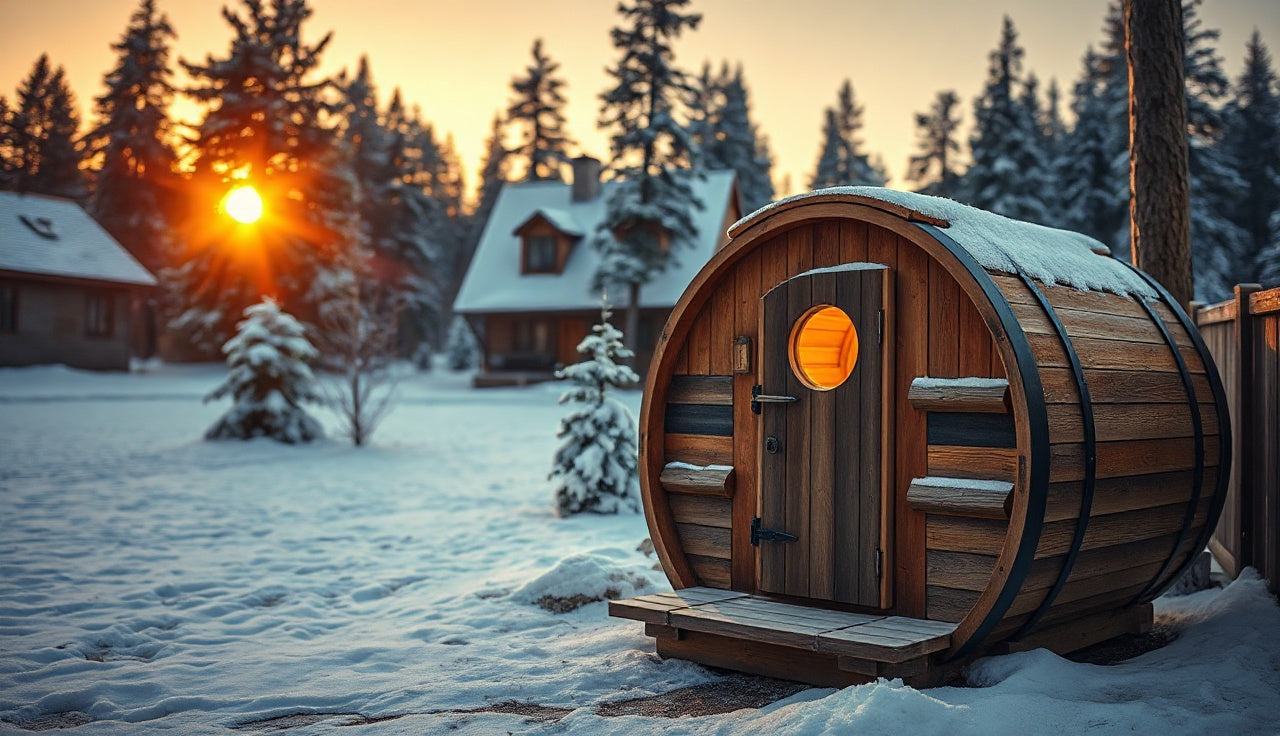
The Aleko SB3CED-AP is a barrel-style outdoor sauna made from Canadian red cedar. It seats three people, uses an electric steam heater as its primary heat source, and is meant to live outside year-round. The barrel shape does more than look good: the curved walls kill the dead corners you find in box saunas, so hot air circulates more evenly and the room heats faster for a given wattage.
Aleko is a Washington State company that sells outdoor power and lifestyle products. Their sauna line sits in the accessible mid-range of the market, below premium Finnish brands like Harvia and Finnleo but above the budget flat-pack units you find on Amazon for under $1,000 [1]. The SB3CED-AP uses a steam generator rather than a traditional dry-rock heater, which puts it closer to a steam room than a Finnish-style sauna. That distinction matters a lot depending on what you actually want.
Still deciding between a steam-forward barrel and a traditional dry sauna? Read the sauna vs steam room breakdown before you commit.
What are the dimensions and capacity specs?
The SB3CED-AP barrel measures about 59 inches (roughly 5 feet) in diameter and 79 inches (about 6.5 feet) long. Usable interior length is shorter once you account for the bench and wall thickness, landing around 65 to 67 inches of sitting space. Aleko rates it for three adults, which is realistic if all three are fine sitting close. Two adults with legs stretched out is more accurate for most people.
The unit sits on two external cradle supports that keep it from rolling. Those cradles need a level, solid surface. A concrete pad, composite deck, or gravel base all work. Bare ground settles unevenly over time and will eventually stress the stave joints, so plan the foundation before you order.
The walls use standard sauna staves, typically 1.5 to 1.75 inches thick in cedar at this price. That is enough insulation for three-season use in most climates. In regions with sustained sub-zero winters, you will lose heat faster than a thicker-walled unit and may notice longer preheat times from November through February.
| Spec | Value |
|---|---|
| Rated capacity | 3 persons |
| Exterior diameter | ~59 in (150 cm) |
| Exterior length | ~79 in (200 cm) |
| Wall thickness (est.) | 1.5 to 1.75 in cedar staves |
| Heater type | Electric steam generator |
| Heater wattage | ~4 kW (verify on current spec sheet) |
| Electrical requirement | 240V, 20 to 30A circuit (confirm with manufacturer) |
| Cradle supports | 2 external wooden cradles included |
Is this a steam sauna or a dry sauna, and does that matter?
This is the single most important thing to get right before buying. The SB3CED-AP ships with an electric steam generator, not a rock heater. A steam generator boils water and pushes humid air into the room, targeting humidity of 80 to 100 percent at temperatures around 110 to 120 degrees Fahrenheit. A Finnish dry sauna runs at 170 to 195 degrees Fahrenheit with humidity below 20 percent, and you add humidity by ladling water onto heated rocks yourself.
Those are two different experiences. Steam feels wetter, heavier, more enveloping. Many people find it easier to breathe than the scorching dry air of a Finnish sauna. Others find the intense humidity uncomfortable or claustrophobic. Neither is objectively better. They just feel different.
Most of the well-cited sauna studies use Finnish-style dry heat. The Laukkanen et al. 2018 meta-analysis in Mayo Clinic Proceedings found cardiovascular and all-cause mortality associations specifically with Finnish sauna bathing [2]. Steam room research exists separately but is thinner. If research-backed protocols are your main reason for buying, a dry sauna has more evidence behind specific temperature and session guidelines. If you enjoy steam and want something gentler on the respiratory tract for everyday use, the SB3CED-AP's steam setup is a reasonable choice.
For a broader look at what the research actually says, the sauna benefits page covers the evidence without overstating it.
What does the Aleko SB3CED-AP cost, and what affects the price?
Retail pricing has ranged from roughly $1,500 to $2,200 depending on retailer, bundle inclusions, and timing. Aleko itself, Amazon, and various outdoor lifestyle retailers have all carried this unit at different price points. Holiday promotions typically shave $150 to $400 off list price [1].
That purchase price covers the barrel shell, cradles, benches, and the electric steam heater. It does not cover:
- Electrical installation. A licensed electrician to run a dedicated 240V circuit to your backyard typically costs $300 to $800 depending on distance from your panel and local labor rates [3].
- Foundation. A basic gravel pad or concrete patio can run $200 to $1,500 depending on size and finish.
- Accessories. Cedar backrests, thermometer, hygrometer, essential oil diffuser, and a bucket-and-ladle set (useful even in a steam sauna) add another $50 to $200.
- Ongoing electricity. A 4 kW heater running for one hour costs roughly $0.52 to $0.80 at the national average residential rate of 13 to 20 cents per kWh [4].
Total first-year cost for most buyers lands between $2,200 and $4,000 once you add installation and foundation. That is meaningfully less than a custom cedar sauna build, which typically starts at $5,000 to $10,000 or more for outdoor installations [5].
For context on what else is available in this price range, the outdoor sauna overview covers the broader category.
| Portable fabric sauna | $600 |
| Aleko SB3CED-AP (mid-range barrel) | $3,100 |
| Almost Heaven / Dundalk barrel | $5,500 |
| Custom cedar outdoor build | $10,000 |
Source: NAHB cost estimates [5], EIA electricity rates [4], retailer pricing [1]
How hard is assembly, and what do you actually need?
Aleko ships the SB3CED-AP as a pre-cut kit. The staves are sized and the main components are labeled. Most owner reports describe assembly as manageable but genuinely slow: plan for six to ten hours with one helper, not the four-hour figure some retailers advertise.
You need basic hand tools: a rubber mallet, drill, level, and measuring tape. The barrel assembly involves threading the metal banding hoops around the staves and tensioning them evenly. Getting that tension right is the step where people run into trouble. Too loose and you will see gaps. Too tight risks cracking the cedar. Go slowly here and adjust incrementally.
The steam heater mounts inside with pre-drilled fittings. Plumbing the water line is straightforward if you have a garden hose connection or outdoor spigot nearby. Electrical connection to the heater is not a DIY step unless you are a licensed electrician. The unit requires a dedicated 240V circuit with a proper disconnect, and most municipalities require a permit and licensed installation [3].
Aleko's customer support gets mixed reviews. The instruction manual is functional but not detailed. Several buyers report that watching third-party assembly videos on YouTube before starting helps a lot. If you are less confident, some outdoor living retailers offer white-glove delivery and setup for $200 to $400.
One honest note: cedar is a living material that shrinks and swells with moisture and temperature. Small gaps in the staves during the first weeks of dry weather are normal. They close when the wood humidifies during use. Do not panic and over-tighten the bands prematurely.
What electrical work does the SB3CED-AP require?
The electric steam heater runs on 240V. Exact amperage depends on the specific heater wattage in the current production run (Aleko has revised bundled heaters over time), but 20 to 30 amps is the typical range for a 4 to 6 kW sauna heater. Verify the current spec sheet before your electrician sizes the circuit.
In practice, this means a dedicated circuit from your main panel to the sauna location, a weather-rated disconnect switch within sight of the unit, and a GFCI-protected outlet or hard-wired connection depending on local code. Most jurisdictions also require a building permit for new outdoor electrical circuits [3].
The National Electrical Code (NEC) does not have a sauna-specific article, but NEC Article 424 covers fixed electric space heating equipment, which most inspectors apply to sauna heaters [10]. Local amendments vary, so confirm requirements with your local building department before starting work.
Building the sauna near your home's exterior wall shortens wiring runs and cuts labor cost. If the sauna is going at the back of a large lot, trench work for underground wiring adds significantly to the electrician's bill. Budget accordingly.
How does Canadian red cedar hold up outdoors over time?
Canadian red cedar (Thuja plicata) is one of the genuinely good choices for outdoor sauna construction. Its natural oils resist rot, insects, and moisture absorption better than pine, spruce, or hemlock. The USDA Forest Products Laboratory rates western red cedar as durable for ground contact, a real measure of decay resistance [6].
Outdoors, unfinished cedar grays to a silver tone within one to two seasons. That is natural weathering, not damage. If you want to keep the honey-brown color, an exterior oil finish applied annually slows the graying. Most sauna purists leave the interior raw so the wood can breathe and release its aroma. The exterior can take a UV-blocking clear oil.
The metal banding hoops are the component most likely to need attention first. They are typically mild steel with a protective coating. In wet coastal climates or areas with road salt, surface rust can develop within two to three years. Stainless banding upgrades exist but are rarely offered as standard at this price. Inspect and treat the bands annually.
Realistically, a well-maintained cedar barrel sauna of this build should give you 10 to 15 years of regular use. Premium Finnish-built barrels with thicker staves and better hardware can hit 20 to 25 years. The Aleko sits in the middle of the durability range, not at either extreme.
What does actual use feel like, and how long does it take to heat up?
Preheat runs 20 to 35 minutes to reach usable temperature in mild weather. In cold weather (below 32 degrees Fahrenheit), add 10 to 15 minutes. The steam heater produces a humid, enveloping heat that climbs steadily. Because steam carries heat far more efficiently than dry air (water has a higher heat capacity than air), the perceived temperature feels intense sooner than a dry sauna at the same thermometer reading.
A typical session runs 15 to 20 minutes per round. Most people who use steam saunas do two to three rounds with a cool rinse or rest in between. If you want to combine heat and cold, pairing the sauna with a cold shower, garden hose rinse, or a dedicated cold plunge makes the whole thing more refreshing and may amplify some of the cardiovascular response, though the research on contrast therapy protocols is still developing [7].
The cedar interior smells wonderful, especially when new. The steam intensifies that aroma. Benches stay at a comfortable sitting temperature and do not get hot enough to burn exposed skin, which is one real advantage of steam heat over the scorching bench surfaces in a high-temperature Finnish sauna.
Air quality note: because steam saunas run at very high humidity, ventilation matters. The SB3CED-AP has a vent opening at the top of the door end. Make sure it is functional and not blocked. Without adequate airflow, carbon dioxide inside any sealed sauna can climb to uncomfortable levels during long sessions.
Is the Aleko SB3CED-AP worth buying compared to alternatives?
Honest answer: it depends on what you are optimizing for.
If your priority is price and you want an outdoor barrel sauna without spending $4,000 to $6,000 on a premium unit, the SB3CED-AP is a reasonable entry point. The cedar is real, the barrel construction is sound, and the steam experience is genuinely enjoyable. Assembly is manageable for a capable DIYer.
If you want a Finnish dry sauna with rock heat and the ability to pour water yourself, this is the wrong unit. Look at barrels from Almost Heaven Saunas, Dundalk LeisureCraft, or the higher Aleko tiers that bundle a rock heater instead of a steam generator. Those typically start at $2,500 to $4,500 for equivalent capacity.
If you want premium construction and maximum longevity, brands like Harvia, TylöHelo, and Finnleo build to a different standard. You pay for it: comparable-capacity outdoor barrels from those makers run $5,000 to $12,000 before installation.
The SB3CED-AP occupies an honest middle ground. Better than the cheapest flat-pack saunas, not as refined as the Finnish-built competition. For a first outdoor sauna at a household that is not sure how much they will use it, that trade-off makes sense. If you already know you will use a sauna four or five times a week for years, the extra spend on a higher-build-quality unit pays back in durability.
SweatDecks carries a curated selection of outdoor barrel saunas if you want to compare this tier and above. The home sauna guide walks through what separates entry-level, mid-range, and premium builds so you can make that call with clear criteria.
Are there health benefits to using this type of steam sauna?
There is real research behind regular sauna use, though most of it uses Finnish dry heat protocols rather than steam. The Laukkanen et al. 2018 systematic review in Mayo Clinic Proceedings found that frequent sauna bathing (four to seven sessions per week) was associated with reduced risk of fatal cardiovascular events compared to once-weekly use, with a hazard ratio of 0.50 for sudden cardiac death in the most frequent users [2]. That is observational data from a Finnish population, so causation is not established, and it should not be read as a medical prescription.
For steam specifically, some research supports benefits for upper respiratory function. A 2017 Cochrane review on inhalation of heated, humidified air for the common cold noted modest symptom relief but called for higher-quality trials [8]. Warm, humid air can also temporarily ease congestion and sinus pressure.
Muscle recovery is another common reason people add a sauna to their routine. The physiological mechanism involves increased blood flow to peripheral tissue and reduced muscle tension. A 2015 study in the Journal of Human Kinetics found heat exposure improved recovery markers in athletes compared to passive rest [9]. Its relevance to steam sauna at the SB3CED-AP's temperature range is plausible but not directly studied.
Conservative framing: regular sauna use is associated with beneficial outcomes across several research areas. It is not a treatment for any condition. People with cardiovascular disease, pregnancy, or heat sensitivity should talk to a physician before starting a regular sauna practice. The sauna benefits article goes deeper on what the evidence actually says and what it does not.
What accessories do you need to get the most out of the SB3CED-AP?
The unit ships with benches and the heater. Here is what most owners add within the first few months:
A thermometer and hygrometer. The SB3CED-AP does not include a readout for interior temperature or humidity. A combined cedar-mounted thermometer-hygrometer runs $15 to $40 and tells you when the room is actually ready and how the humidity is tracking. Worth having.
A cedar headrest or backrest. Sitting against the curved barrel wall without support gets uncomfortable during longer sessions. Cedar headrests designed for barrel saunas cost $20 to $50 and make a real difference.
Essential oils made for sauna use. A few drops of eucalyptus, pine, or birch oil in the steam water enriches the aroma and may support respiratory comfort. Use food-grade or sauna-specific oils. Standard fragrance oils can produce irritating compounds when heated.
A sand timer or waterproof session timer. Standard advice for beginners is to start with 10-minute sessions and build up. A visible timer reduces the temptation to stay too long.
Outdoor lighting. Evening sessions are better with ambient lighting outside the unit. Solar-powered post lights or string lights on a weatherproof timer are simple additions.
If you want to build a contrast therapy routine around the sauna, the ice bath and cold plunge benefits articles explain what the cold side of that equation adds and what equipment makes sense at different price points.
What do real owners commonly complain about, and are those deal-breakers?
Aggregating reports from verified purchaser reviews across multiple retailers, the most common complaints fall into four buckets.
Assembly instructions. The manual is widely described as thin and sometimes unclear. Frustrating, but not a deal-breaker if you approach it as a moderate woodworking project and supplement with video guides. It becomes a real problem only if you expected a simple IKEA-style build.
Banding hardware quality. Some owners report the tightening hardware on the metal bands feels underbuilt for the long haul. Replacing the wing nuts or tightening bolts with stainless hardware from a hardware store is a simple upgrade that costs under $20 and improves durability a lot.
Steam heater reliability. A subset of buyers report issues with the bundled steam generator within the first year, from thermostats that fail to trip to control panels with inconsistent behavior. Aleko's warranty process gets mixed reviews: some owners get quick resolution, others describe frustrating delays. If the steam heater fails, replacement units from compatible third-party sauna heater brands (Harvia, VEVOR) can drop in, but confirm compatibility before buying.
Water line management. The steam generator needs a water supply. Managing the hose connection and avoiding spills during filling is a minor but real annoyance a few buyers mention. Some people install a small exterior spigot nearby just for the sauna, which solves it cleanly.
None of these are outright deal-breakers for someone buying at this price with realistic expectations. They do suggest you should register the product immediately, keep your purchase receipts, and inspect the hardware during assembly.
Frequently asked questions
What heater comes with the Aleko SB3CED-AP, and can I replace it with a rock heater?
Aleko bundles an electric steam generator with the SB3CED-AP. It produces humid steam heat rather than the dry heat from traditional Finnish rock heaters. You can retrofit a compatible electric rock heater (most sauna heaters use standard mounting configurations), but you would need to match the voltage, amperage, and BTU output to your existing 240V circuit. Confirm measurements before buying a replacement, since barrel interior dimensions affect which heater sizes fit.
How many people fit in the Aleko SB3CED-AP barrel sauna?
Aleko rates it for three people. Realistically, three adults fit but in close quarters. Two adults who want elbow room and the option to stretch out will find this more usable. The bench runs the length of the interior on one side. A second lower bench or foot rest is sometimes added by owners to improve seating flexibility.
Does the SB3CED-AP need a concrete pad, or can it sit on gravel?
It needs a firm, level surface. A 4-inch concrete pad is ideal and the most stable long-term option. Compacted gravel at least 4 inches deep also works and drains better than concrete in rainy climates. Avoid bare soil: it settles unevenly, stresses the stave joints, and traps moisture under the cradles. Whatever base you choose, level it carefully before placing the cradles.
What is the warranty on the Aleko SB3CED-AP?
Aleko typically offers a one-year limited warranty on their sauna products covering manufacturing defects in materials and workmanship. Warranty terms can change between production runs, so verify the exact coverage in your purchase documentation. The steam heater and electrical components are usually covered separately under the heater manufacturer's terms. Keep your original receipt and register the product with Aleko promptly after purchase.
Can you use the Aleko barrel sauna in winter?
Yes, with realistic expectations. The cedar walls provide decent insulation, and the steam heater can hold temperature in mild to moderate winters. In sustained sub-zero conditions, preheat times increase noticeably and the heater works harder, which raises electricity costs. Some owners in cold climates add a simple exterior cover or tarp during extreme cold snaps to reduce heat loss. Inspect the cradles and door hardware for moisture damage before each winter.
How much does it cost to run the Aleko SB3CED-AP per session?
A 4 kW steam heater running for one hour costs roughly $0.52 to $0.80 at the U.S. national average residential electricity rate of 13 to 20 cents per kWh. A typical session including preheat runs 60 to 90 minutes total, putting per-session electricity cost at $0.75 to $1.20 for most users. Monthly cost for daily use is roughly $23 to $36 at those rates, varying by local pricing.
Is the cedar in the Aleko SB3CED-AP safe to use without any finish or sealant?
Yes. Canadian red cedar resists moisture and rot naturally and needs no interior finishing. Sealants, paints, or stains on the interior are a bad idea in any sauna: heat causes them to off-gas chemicals you do not want to breathe. Leave the interior bare. The exterior can take a clear UV-resistant oil to slow weathering if you want to keep the cedar's natural color, but that is cosmetic, not structural.
How long does it take to assemble the Aleko SB3CED-AP?
Most buyers with basic tool competence report six to ten hours with one helper. The slowest steps are laying out and aligning the staves and tensioning the metal banding hoops evenly. Setting up the cradles and mounting the heater are straightforward by comparison. Plan a full weekend day, not an afternoon. Watching assembly videos before starting saves real time.
What electrical circuit does the SB3CED-AP require?
The electric steam heater runs on 240V and typically requires a 20 to 30 amp dedicated circuit depending on the specific heater wattage bundled with your unit. Verify the exact amperage on the current spec sheet before your electrician sizes the circuit. A licensed electrician must handle this work in most jurisdictions, and a permit is typically required for new outdoor electrical circuits. Budget $300 to $800 for professional installation.
How does the Aleko SB3CED-AP compare to a portable sauna at a lower price?
A portable sauna costs $100 to $400 and fits in a closet, but it is a fabric tent around your body with a small steam unit. The experience is not comparable: no wood aroma, no ambient heat, no room to stretch. The Aleko is a real sauna structure you walk into. If budget is the main constraint, a portable unit beats nothing, but it is a fundamentally different product. The portable sauna article on this site covers that category in detail.
Should I pair the barrel sauna with a cold plunge for contrast therapy?
Contrast therapy (alternating heat and cold) is popular among athletes and sauna enthusiasts, and the physiological rationale is sound even if the research on optimal protocols is still developing. Practically, you need cold water access near the sauna. A purpose-built cold plunge tub, a cold shower, or even a large galvanized stock tank filled with cold water all work. The cold plunge benefits and ice bath articles on this site explain what to expect and how to structure sessions.
Does the barrel shape make the sauna heat faster or more evenly than a box sauna?
Yes, meaningfully so. The curved walls of a barrel sauna remove the upper corners where heat stagnates in rectangular saunas. Hot air rises and circulates continuously along the curved ceiling, giving you more uniform temperature from floor to bench height. It also means a smaller volume of air to heat for an equivalent seating area, so preheat times are genuinely shorter than a comparably sized box sauna with the same heater wattage.
What maintenance does the SB3CED-AP need annually?
Inspect the metal banding hoops for rust each spring and treat with a rust-inhibiting coating if needed. Check stave joints for any gaps that did not close during the wet season and re-tension the bands slightly if necessary. Clean the steam heater's water reservoir and descale it (mineral deposits build up over time, especially in hard water) using a vinegar rinse or manufacturer-recommended descaling solution. Wipe down interior benches and walls after each session to reduce mold risk in high-humidity steam environments.
Sources
- Aleko USA – Product page, SB3CED-AP Barrel Sauna: Aleko is a Washington State company; the SB3CED-AP is positioned in the accessible mid-range sauna market
- Mayo Clinic Proceedings – Laukkanen et al. 2018, 'Sauna Bathing and Systemic Inflammation': Frequent sauna bathing (4–7x/week) associated with hazard ratio of 0.50 for sudden cardiac death vs once-weekly use; study used Finnish dry heat protocols
- U.S. Department of Energy – Electrical Safety and Permits: Licensed electrician installation and local permits are typically required for new outdoor 240V electrical circuits
- U.S. Energy Information Administration – Average Retail Electricity Prices: U.S. national average residential electricity rate is 13 to 20 cents per kWh (varies by state and year)
- National Association of Home Builders – Outdoor Structure Cost Estimates: Custom cedar outdoor sauna builds typically start at $5,000 to $10,000 or more before accessories and installation
- USDA Forest Products Laboratory – Wood Handbook: Wood as an Engineering Material (Chapter on Decay Resistance): Western red cedar (Thuja plicata) is rated durable for ground contact due to natural oil content resisting rot and insects
- International Journal of Environmental Research and Public Health – Mooventhan & Nivethitha 2014, 'Scientific Evidence-Based Effects of Hydrotherapy': Contrast therapy (alternating heat and cold exposure) research supports physiological responses including cardiovascular adaptation; optimal protocols still under study
- Cochrane Database of Systematic Reviews – Singh et al. 2017, 'Heated, Humidified Air for the Common Cold': Inhalation of steam showed modest symptom relief for common cold; reviewers called for higher-quality trials
- Journal of Human Kinetics – 2015 study on heat exposure and athletic recovery: Heat exposure improved recovery markers in athletes compared to passive rest
- National Fire Protection Association – NFPA 70 (National Electrical Code), Article 424: NEC Article 424 covers fixed electric space heating equipment; most inspectors apply this to sauna heaters in the absence of a sauna-specific article

Share:
Panoramic barrel sauna: everything you need to know before buying
Barrel sauna plans: what to build, buy, or skip in 2026