Russian Banya: The Traditional Bathhouse
The Russian banya is a traditional bathhouse that has been central to Russian culture for over a thousand years. While it shares common roots with the Finnish sauna, the banya has developed its own distinct character - generally wetter, more social, and more physically intense than its Nordic counterpart.
Quick Answers
What is the difference between a Russian banya and a Finnish sauna?
A Russian banya is wetter, more social, and more physically intense. Banyas run 60-80% humidity at 150-180F, while Finnish saunas typically use 10-40% humidity at higher temperatures. Banya culture emphasizes conversation, food, and vigorous venik use, while Finnish sauna tends toward quiet, meditative solo experiences. Both include contrast therapy and heated stones with water.
What is a venik used for in a banya?
The venik is a bundle of leafy branches, typically birch, oak, or eucalyptus, used for platzing, or whipping the body during a banya session. A partner or a banshchik (bath attendant) vigorously beats and sweeps it across your body, driving hot steam into the skin and stimulating circulation. It is similar to the Finnish vihta but used more vigorously.
What are the three rooms of a traditional banya?
A traditional Russian banya has a changing room (predbannik), a washing room with warm water, and the steam room (parilka). The parilka is heated by a masonry stove (pech) loaded with stones, onto which water is thrown in generous amounts to create thick, heavy steam.
How do banya bathers cool down between steam rounds?
Bathers traditionally cool down by rolling in snow, jumping into a cold river, or pouring buckets of cold water over themselves between rounds in the parilka. This contrast therapy element is considered as central to banya culture as it is to Finnish sauna tradition.
What Makes a Banya Different
Higher humidity. Russian banyas typically operate at very high humidity levels - often 60-80% compared to the 10-40% range common in Finnish saunas. Temperatures are usually slightly lower (150-180F) to compensate, but the extreme humidity makes the heat feel incredibly intense and penetrating.
The venik. Similar to the Finnish vihta, the Russian venik is a bundle of leafy branches - typically birch, oak, or eucalyptus - used for platzing (whipping the body). In banya tradition, the venik use is more vigorous than in Finnish sauna. A partner or a dedicated "banshchik" (bath attendant) vigorously beats and sweeps the venik across your body, driving the hot steam into your skin and creating an intense circulatory stimulation.
Social atmosphere. Unlike the quiet contemplation of Finnish sauna, the banya is traditionally a social gathering place. Conversation is expected. Food and drink between rounds is normal - tea, beer, dried fish, and pickles are traditional banya fare. Business, gossip, storytelling - the banya is where Russian social life happens.
Banya Structure
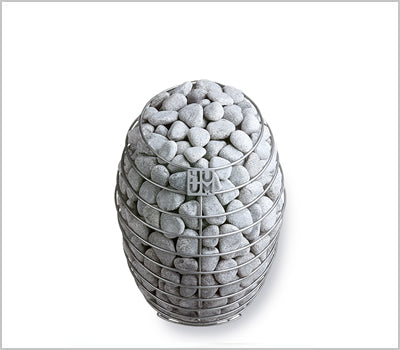
A traditional Russian banya has three rooms: a changing room (predbannik), a washing room with warm water, and the steam room (parilka). The steam room is heated by a large masonry stove (pech) loaded with stones. Water is thrown onto the stones in generous amounts to create thick, heavy steam.
Between rounds in the parilka, bathers cool down - traditionally by rolling in snow, jumping into a cold river, or pouring buckets of cold water over themselves. This contrast therapy element is as integral to banya culture as it is to Finnish sauna tradition.
Banya vs Finnish Sauna
Both traditions share the fundamental principle of heated rooms with stones and water. The key differences are cultural more than structural. The banya tends to be wetter, more social, and more physically active (venik use). The Finnish sauna leans toward quieter, more meditative experiences with slightly lower humidity. Both produce excellent health benefits and both have contrast therapy built into their traditions.
Related Terms
- Finnish Sauna Culture
- Vihta (Finnish) / Venik (Russian)
- Wet Sauna vs Dry Sauna
- Loyly
- Swedish Bastu
Experience Banya-Style Heat
Our traditional saunas with generous stone capacity produce the heavy steam that banya lovers crave. Browse our outdoor saunas and heaters to create your own banya experience at home.
How to Use This Guide
Use this guide as a practical starting point, then confirm product specifications, installation requirements, electrical needs, water care steps, and medical considerations with the appropriate professional before making a final decision.
Where SweatDecks Can Help
SweatDecks helps shoppers compare saunas, cold plunges, heaters, accessories, delivery requirements, and setup considerations so the finished wellness space is easier to buy, install, and maintain.
Practical Buying Context
When comparing sauna, cold plunge, heater, steam, or accessory options, review the product specifications, installation manual, warranty terms, delivery requirements, maintenance routine, and compatibility details before choosing a model. The right answer often depends on available space, power, plumbing, climate, budget, and who will use the setup.
When to Get Professional Help
Use qualified professionals for electrical work, plumbing, structural support, ventilation, medical questions, and local code requirements. SweatDecks can help with product research and planning questions, but final installation and safety decisions should match the manufacturer instructions and applicable local requirements.
Decision Checklist
Before acting on this topic, compare the relevant product specifications, space requirements, care routine, warranty terms, replacement parts, and installation constraints. For health, electrical, plumbing, structural, or code questions, confirm details with the appropriate qualified professional.
Related SweatDecks Research Paths
Most sauna and cold plunge decisions connect to a few core questions: how much space you have, how often the setup will be used, what maintenance feels realistic, and whether the product fits your budget, climate, delivery path, and long-term wellness routine.
What to Verify Before You Decide
Use this article as a starting point, then check current product specifications, manufacturer instructions, delivery requirements, warranty terms, and maintenance expectations. Sauna and cold plunge projects can involve heat, water, electricity, ventilation, structural support, and personal health considerations, so the best next step is often to confirm details with the appropriate qualified professional before purchase or installation.
How This Connects to a Home Wellness Setup
The strongest buying decisions balance comfort, safety, durability, budget, and daily usability. SweatDecks helps shoppers compare sauna, cold plunge, steam, heater, chiller, and accessory options so the finished setup fits the space, routine, and long-term ownership plan.
Browse our expert-tested cold plunge collection.