Wet Sauna vs Dry Sauna: What's the Difference?
The terms "wet sauna" and "dry sauna" get thrown around a lot, and they cause more confusion than they should. Here's the simple version: a dry sauna has low humidity (10-20%), and a wet sauna has higher humidity (created by pouring water on hot stones). But the truth is that most traditional saunas are designed to be both - and the best sessions typically involve a mix of dry heat and steam.
Quick Answers
What is a dry sauna?
A dry sauna is a heated room with low humidity (10-20%) and higher temperatures, typically 170-200F. The heat feels intense and direct, and sweat evaporates quickly from the skin. Infrared saunas are always dry since they use radiant panels instead of heated stones and have no way to add steam.
What is the difference between a wet sauna and a dry sauna?
A dry sauna has low humidity and runs hotter (170-200F), while a wet sauna has higher humidity from water poured on hot stones and runs slightly cooler (160-185F) since steam makes heat feel more intense at lower air temperatures. Most traditional saunas can do both, adjusted pour by pour.
Is a wet sauna the same as a steam room?
No. A wet sauna is still a sauna, just with steam added to the stones, running at 160-185F. Steam rooms run much cooler, around 110-120F, with near 100% humidity. The two use different heat sources and humidity levels entirely.
Which is better, wet or dry sauna heat?
There is no objective winner, it depends on personal preference. Dry heat tends to be more tolerable for beginners and those who dislike humid air, while wet heat produces heavier sweating and is often preferred for respiratory comfort. Many experienced users like having both options available.
Can one sauna produce both wet and dry heat?
Yes, in Finnish tradition a stove-based sauna starts dry during heat-up, then bathers pour water on the stones to add steam as desired. This lets users control humidity throughout the session, a flexibility that infrared saunas, which are always dry, don't offer.
Shop all saunas at SweatDecks
- FD-1 Full-Spectrum Infrared Sauna - $4,695
- FD-3 Full Spectrum Infrared Sauna - $6,495
Affirm financing available. Free curbside shipping on orders over $5,000. See all all saunas.
Dry Sauna
A "dry sauna" refers to a heated room with minimal moisture in the air. Temperature is high (170-200F), but humidity stays low. The heat feels intense and direct. Your sweat evaporates quickly from your skin, which actually helps cool you slightly - allowing many people to tolerate higher temperatures in a dry sauna than they could in a humid environment.
Infrared saunas (far infrared) are always dry because they use radiant panels instead of heated stones. There's no mechanism to add steam.
Wet Sauna
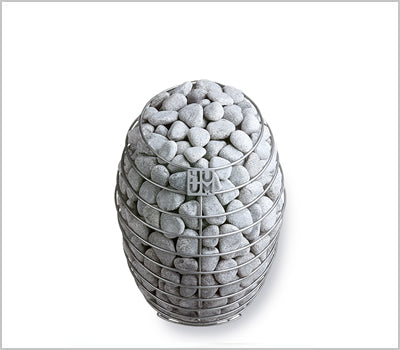
A "wet sauna" has higher humidity, typically achieved by pouring water on the sauna stones - creating loyly. The room temperature may be slightly lower (160-185F) to compensate for the increased humidity, which makes the heat feel more intense and penetrating.
Wet heat opens airways and is often preferred by people who find dry heat harsh on their breathing. The steam carries heat more efficiently to your skin, so you feel hotter at a lower air temperature. Many people find wet sauna sessions produce heavier sweating and a more intense experience overall.
Note: a "wet sauna" is not the same as a steam room. Steam rooms run at much lower temperatures (110-120F) with near 100% humidity. A wet sauna is still a sauna - just with steam added.
The Finnish Approach: Both
In Finnish tradition, the sauna starts dry during the initial heat-up phase. Once the room and stones are fully heated, bathers add water to the stones in controlled amounts, adjusting the humidity to personal preference. A little water creates gentle moisture. More water creates intense steam waves. You control the experience pour by pour.
This flexibility is one of the biggest advantages of a traditional stove-based sauna over an infrared unit. You can run it dry, run it wet, or alternate throughout your session based on how you're feeling.
Which Is Better?
There's no objective winner. It comes down to personal preference and goals. Dry heat tends to be more tolerable for beginners and people who don't like the sensation of humid air. Wet heat produces more intense sweating and respiratory benefits. Most experienced sauna users prefer having the option to do both.
Related Terms
Get the Best of Both
Our traditional saunas with Harvia and Huum heaters give you full control over dry and wet heat. Browse our outdoor saunas or barrel saunas to find your fit.
How to Use This Guide
Use this guide as a practical starting point, then confirm product specifications, installation requirements, electrical needs, water care steps, and medical considerations with the appropriate professional before making a final decision.
Where SweatDecks Can Help
SweatDecks helps shoppers compare saunas, cold plunges, heaters, accessories, delivery requirements, and setup considerations so the finished wellness space is easier to buy, install, and maintain.
Practical Buying Context
When comparing sauna, cold plunge, heater, steam, or accessory options, review the product specifications, installation manual, warranty terms, delivery requirements, maintenance routine, and compatibility details before choosing a model. The right answer often depends on available space, power, plumbing, climate, budget, and who will use the setup.
When to Get Professional Help
Use qualified professionals for electrical work, plumbing, structural support, ventilation, medical questions, and local code requirements. SweatDecks can help with product research and planning questions, but final installation and safety decisions should match the manufacturer instructions and applicable local requirements.
Decision Checklist
Before acting on this topic, compare the relevant product specifications, space requirements, care routine, warranty terms, replacement parts, and installation constraints. For health, electrical, plumbing, structural, or code questions, confirm details with the appropriate qualified professional.
Related SweatDecks Research Paths
Most sauna and cold plunge decisions connect to a few core questions: how much space you have, how often the setup will be used, what maintenance feels realistic, and whether the product fits your budget, climate, delivery path, and long-term wellness routine.
Browse our expert-tested cold plunge collection.