Sauna Humidity: Understanding Moisture Levels
Humidity in a sauna refers to the amount of water vapor in the air, and it has a massive impact on how the heat feels. A 180F sauna at 10% humidity feels completely different from a 180F sauna at 40% humidity. Understanding and controlling humidity is key to customizing your sauna experience.
Quick Answers
What is a good humidity level for a sauna?
It depends on preference and sauna type. Dry and infrared saunas run 5-15% humidity for a sharp, direct heat. Traditional Finnish saunas sit at 10-20% before water is added, then rise to 20-40% once loyly is introduced. Moderate humidity of 20-30% is often easier on breathing than very dry or very wet air.
Why does a sauna feel hotter with more humidity?
Humid air transfers heat to your body more efficiently than dry air, so the same temperature feels more intense as moisture rises. This is why a 200F dry sauna can feel comfortable while 170F with high humidity feels much harder to sit through. Sweat also evaporates more slowly in humid air, intensifying the sensation.
How do you control humidity in a sauna?
In a traditional sauna with a heater and stones, humidity is controlled by pouring water on the stones, typically in small amounts like a half-ladle at a time for fine control. A hygrometer mounted in the sauna lets you monitor humidity in real time alongside temperature. Proper ventilation also helps regulate both humidity and airflow.
How is a steam room different from a sauna in terms of humidity?
A steam room runs at 90-100% humidity, far higher than any sauna type, and uses a much lower temperature of 110-120F to compensate. Saunas, by contrast, range from 5% in dry infrared units up to 60%-plus during an intense Aufguss ceremony, but always at higher temperatures than a steam room.
Shop all saunas at SweatDecks
- FD-1 Full-Spectrum Infrared Sauna - $4,695
- FD-3 Full Spectrum Infrared Sauna - $6,495
Affirm financing available. Free curbside shipping on orders over $5,000. See all all saunas.
Humidity Ranges in Different Sauna Types
- Dry sauna / infrared: 5-15% relative humidity. Very low moisture. Heat feels sharp and direct. Sweat evaporates quickly.
- Traditional Finnish sauna (dry phase): 10-20%. Before water is added to the stones. Comfortable and manageable for most people.
- Traditional Finnish sauna (with loyly): 20-40%. After pouring water on the stones. The loyly creates a noticeably more intense heat sensation.
- Heavy loyly / Aufguss: 40-60%+. During an Aufguss ceremony or aggressive water pouring. Very intense. Experienced users only.
- Steam room: 90-100%. Not technically a sauna, but worth noting for comparison. Much lower temperature (110-120F) to compensate.
How Humidity Affects Your Experience
Heat perception. Humid air transfers heat to your body more efficiently than dry air. At the same air temperature, higher humidity feels significantly hotter. This is why you can comfortably sit in a 200F dry sauna but might struggle at 170F with high humidity.
Sweating. In dry air, sweat evaporates from your skin quickly, providing a cooling effect. In humid air, evaporation slows down because the air is already saturated. You sweat more, but the sweat sits on your skin instead of evaporating. This is why wet sauna sessions feel more intense.
Breathing. Some people find dry air harsh on the throat and nasal passages. Adding moderate humidity (20-30%) makes the air gentler and easier to breathe. Too much humidity, though, and breathing can feel heavy or uncomfortable.
Controlling Humidity
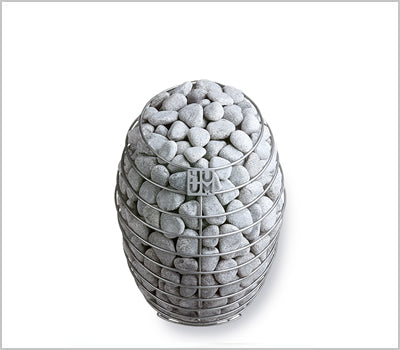
In a traditional sauna with a heater and stones, you control humidity directly by how much water you pour on the stones. Start your session dry, then add small amounts of water as desired. A half-ladle at a time gives you fine control.
A hygrometer mounted in your sauna lets you monitor the humidity level in real time. Combined with a thermometer, it gives you full awareness of your sauna conditions.
Proper ventilation also plays a role. Good airflow helps regulate both temperature and humidity, preventing the room from becoming uncomfortably stuffy.
Related Terms
Control Your Sauna Climate
Traditional saunas with Harvia or Huum heaters give you complete control over humidity. Browse our sauna collection and accessories including hygrometers and ladles.
How to Use This Guide
Use this guide as a practical starting point, then confirm product specifications, installation requirements, electrical needs, water care steps, and medical considerations with the appropriate professional before making a final decision.
Where SweatDecks Can Help
SweatDecks helps shoppers compare saunas, cold plunges, heaters, accessories, delivery requirements, and setup considerations so the finished wellness space is easier to buy, install, and maintain.
Practical Buying Context
When comparing sauna, cold plunge, heater, steam, or accessory options, review the product specifications, installation manual, warranty terms, delivery requirements, maintenance routine, and compatibility details before choosing a model. The right answer often depends on available space, power, plumbing, climate, budget, and who will use the setup.
When to Get Professional Help
Use qualified professionals for electrical work, plumbing, structural support, ventilation, medical questions, and local code requirements. SweatDecks can help with product research and planning questions, but final installation and safety decisions should match the manufacturer instructions and applicable local requirements.
Decision Checklist
Before acting on this topic, compare the relevant product specifications, space requirements, care routine, warranty terms, replacement parts, and installation constraints. For health, electrical, plumbing, structural, or code questions, confirm details with the appropriate qualified professional.
Related SweatDecks Research Paths
Most sauna and cold plunge decisions connect to a few core questions: how much space you have, how often the setup will be used, what maintenance feels realistic, and whether the product fits your budget, climate, delivery path, and long-term wellness routine.
What to Verify Before You Decide
Use this article as a starting point, then check current product specifications, manufacturer instructions, delivery requirements, warranty terms, and maintenance expectations. Sauna and cold plunge projects can involve heat, water, electricity, ventilation, structural support, and personal health considerations, so the best next step is often to confirm details with the appropriate qualified professional before purchase or installation.
How This Connects to a Home Wellness Setup
The strongest buying decisions balance comfort, safety, durability, budget, and daily usability. SweatDecks helps shoppers compare sauna, cold plunge, steam, heater, chiller, and accessory options so the finished setup fits the space, routine, and long-term ownership plan.
Browse our expert-tested cold plunge collection.