
Shop cold plunge systems
Cold Plunges
Narrow the complete collection by price, product type, brand, availability, and category-specific filters. Open a product to confirm cooling, power, dimensions, delivery, and current model details.

01FilterNarrow with current product data.
02VerifyCheck specifications and open questions.
03PlanResolve the complete project.
9 products
Filters apply to the complete collection and stay in the page URL, so results remain shareable and crawlable. Use the cold plunge guide to compare tub, chiller, filtration, power, placement, and maintenance questions.
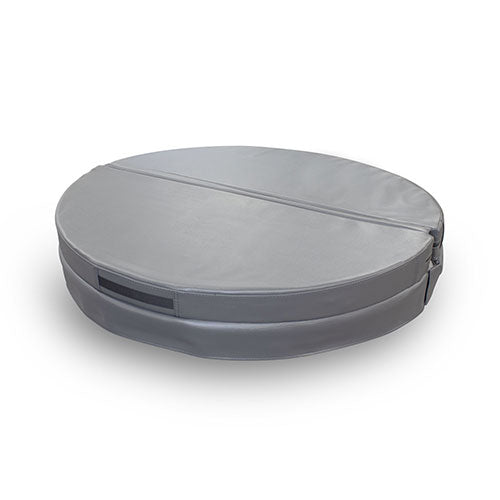
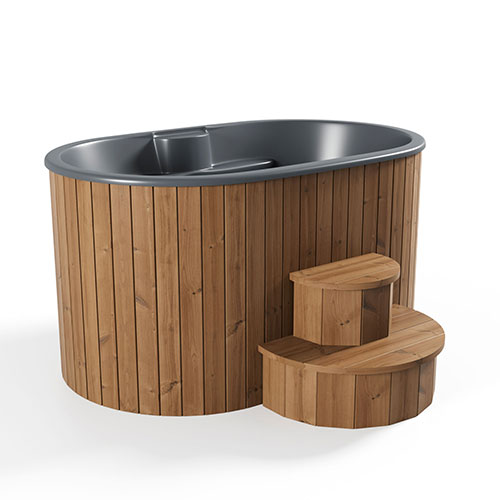
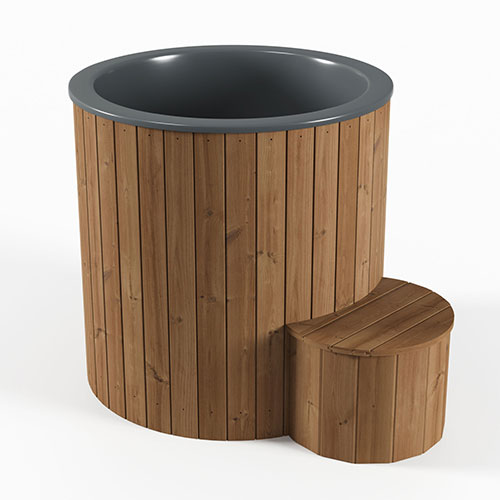
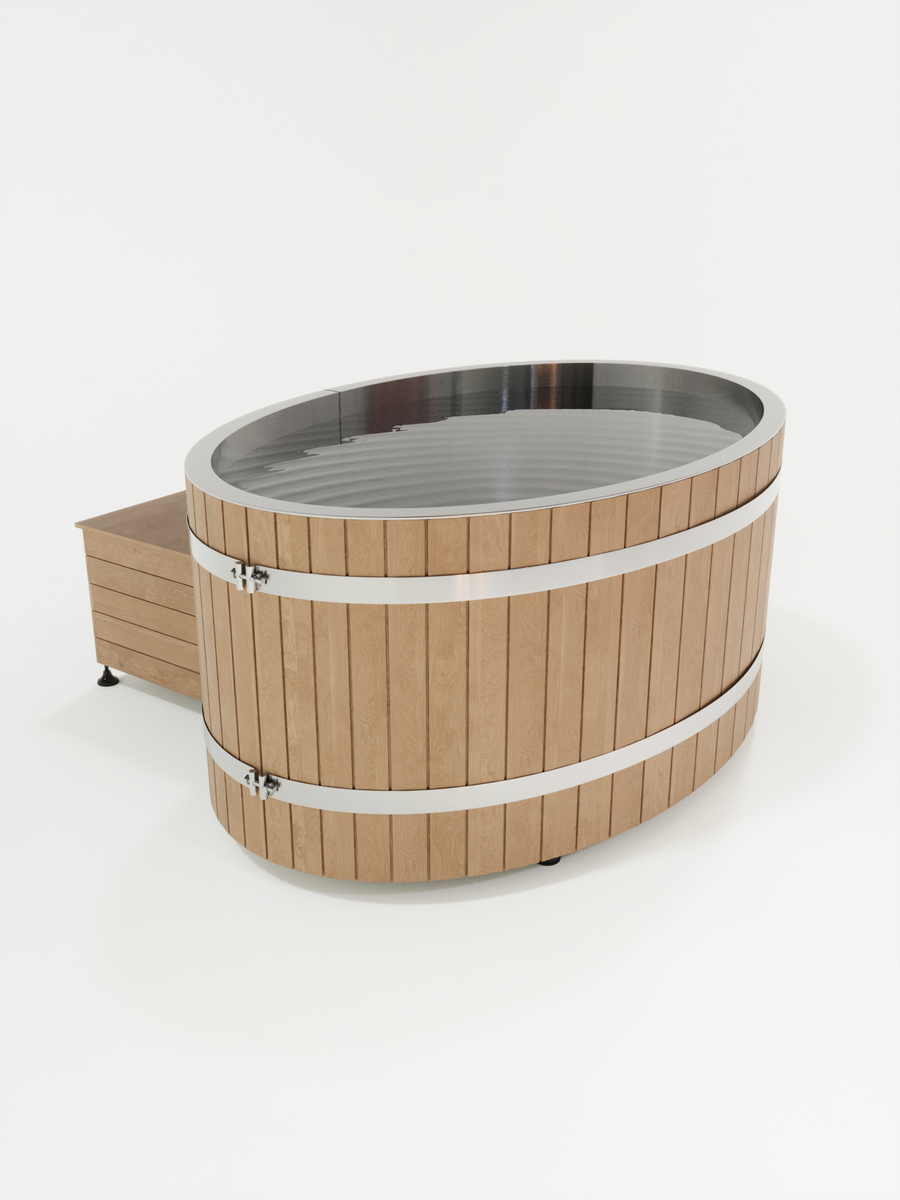
Before purchase
Compare the complete ownership system.
Check the tub, chiller, filtration, sanitation, power, placement, weather exposure, delivery, and maintenance questions, not just the starting price.
About Cold Plunges
Cold plunging has exploded from a niche athlete habit into a mainstream recovery tool, and the market is flooded with options that range from serious to laughable. Inflatable tubs that lose their chill in twenty minutes. Stock tanks with zero insulation. "Cold plunge pools" that are really just rebranded kiddie pools with a bag of ice. We don't carry any of that.
Every cold plunge tub at SweatDecks is purpose-built for cold water immersion. That means proper insulation, reliable chiller systems that hold temperature around the clock, built-in filtration so you're not changing water every three days, and construction that can handle year-round outdoor placement. These are real cold plunge units designed for people who actually plunge daily, not products designed to look good in an Instagram ad and collect dust in a garage.
Our cold plunge for sale collection includes all-in-one units with integrated chillers that maintain water between 37 and 60 degrees F automatically, plus standalone tubs for customers in colder climates who rely on ambient temperature or ice. Prices range from $3,000 to $8,000 depending on chiller capacity, tub size, and construction material. All cold plunge tubs over $5,000 ship free, and every unit is HSA/FSA eligible through our TrueMed partnership.
Building a full contrast therapy setup? Pair your cold plunge with one of our outdoor saunas for the complete hot-and-cold protocol. Our Fire & Ice bundles package a sauna and cold plunge together at a reduced price. For add-ons like covers, steps, and water treatment supplies, browse our cold plunge accessories.
Not sure what to look for in a cold plunge? The buying guide below covers everything from chiller sizing to water maintenance to placement decisions.
Cold Plunge Tub Buying Guide: What Actually Matters
The cold plunge market has a noise problem. Every brand claims theirs is the best. Most of them are selling you the same overseas tub with a different logo on it. Here's how to cut through the marketing and pick a cold plunge tub that you'll actually use every day.
Chiller vs. No Chiller: The Only Decision That Really Matters
Let's be blunt. If you live anywhere that gets warm for even a few months, you need a chiller. Without one, you're hauling bags of ice before every session. That sounds fine in theory. In practice, it kills the habit within weeks. The friction of buying, storing, and dumping 40-60 pounds of ice every time you want to plunge is the number one reason people abandon cold plunging.
An integrated chiller maintains your set temperature 24/7. You wake up, walk out, and step into 42-degree water. No prep. No waiting. That consistency is what turns cold plunging from something you try into something you do. Chiller units add $1,500-$3,000 to the price, but they're the component most responsible for whether this investment actually sticks.
Non-chiller tubs work well in two scenarios: you live somewhere that stays cold enough year-round (think northern states, Canada, or higher elevations), or you're testing the waters (literally) before committing to a full chiller setup. If that's you, a quality non-chiller tub is a solid starting point that you can always pair with an external chiller later.
Water Temperature: What the Research Actually Says
The sweet spot for most people is 40-50 degrees F. This range triggers the cold shock response that drives the benefits: norepinephrine release, reduced inflammation, vasoconstriction followed by vasodilation, and the mood and focus improvements that cold plunge enthusiasts talk about. Here's a rough framework:
- 50-60 degrees F: Good for beginners. You'll feel the cold. Benefits are real but milder. Great for building tolerance.
- 40-50 degrees F: The research-backed target range. This is where most experienced plungers settle. Intense but manageable for 2-5 minute sessions.
- 37-40 degrees F: Advanced territory. Powerful response, but requires gradual adaptation. Don't start here.
Duration matters less than you'd think. The physiological cascade kicks in within the first 1-2 minutes. Recent research has suggested that 11 minutes of total weekly cold exposure, spread across multiple sessions, is a solid baseline. You don't need to sit in ice water for 20 minutes to get results.
Sizing and Depth
Most cold plunge tubs are designed for one person. The critical dimension is water depth, not footprint. You want enough depth to submerge to your shoulders while seated. Look for interior depths of 22-24 inches or more. Tub capacity typically ranges from 75 to 120 gallons.
If you're over 6'2" or want the option to fully recline, pay close attention to interior length and depth specs. Some tubs that look spacious have shallow interiors that leave your knees and shoulders exposed.
Construction and Insulation
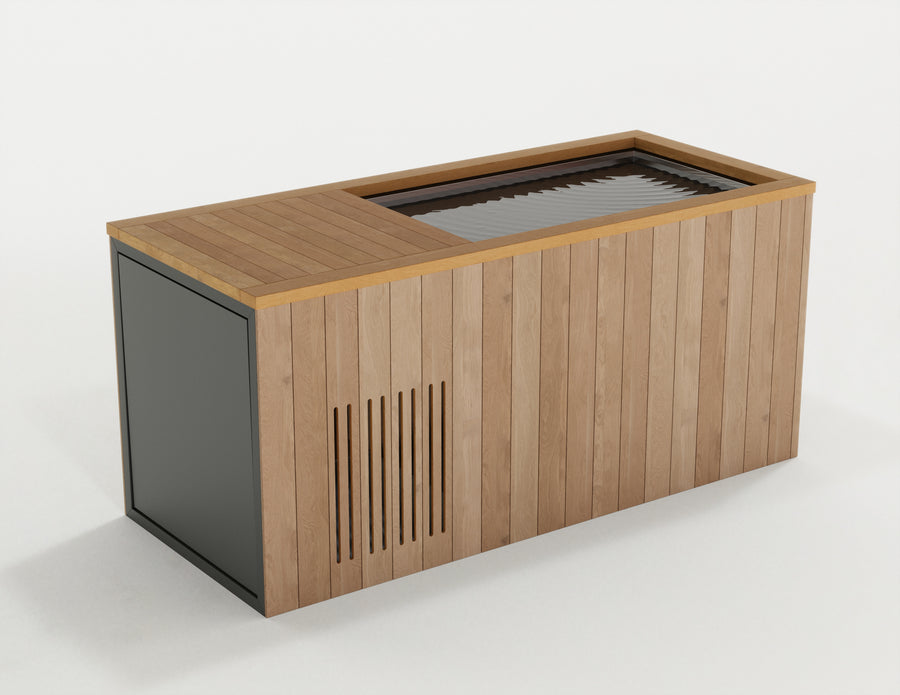
The tub material affects durability, insulation, and how hard your chiller has to work. Acrylic and fiberglass shells are the most common in quality units. They insulate well, clean easily, and last for years. Stainless steel is practically indestructible but conducts cold (meaning your chiller works harder and your energy bill goes up). Wood-exterior tubs look incredible next to a sauna but typically use a waterproof liner inside.
Insulation is the unsung hero. A well-insulated tub with a fitted cover keeps your chiller from running constantly. That translates directly to lower electricity costs and longer chiller life. Ask about insulation thickness and R-value before you buy.
Filtration and Water Maintenance
Cold water doesn't sanitize itself. Without filtration, bacteria and biofilm build up fast, especially in the 40-60 degree range where pathogens are dormant but not dead. Quality cold plunge tubs include ozone or UV sanitation systems paired with mechanical filtration. This lets you go weeks between full water changes instead of days.
Even with good filtration, shower before each use and keep a fitted cover on the tub when you're not in it. Those two habits do more for water quality than any chemical treatment.
Indoor vs. Outdoor Placement
Outdoor placement pairs naturally with a sauna for contrast therapy and gives you the cold air bonus in winter. Indoor placement (garage, basement, or bathroom) gives you year-round convenience and controlled conditions. If you go indoor, plan for floor drainage, waterproofing, and ventilation to manage condensation. A cold tub in an unventilated room creates moisture problems fast.
Ready to pair your cold plunge with heat? Browse our dedicated cold plunge tubs, check out the Fire & Ice bundles, or explore the full outdoor sauna collection to build your complete backyard recovery setup.
Frequently Asked Questions About Cold Plunge Tubs
How much does a cold plunge tub cost?
Cold plunge tubs range from $3,000 to $8,000 at SweatDecks depending on chiller capacity, tub size, and build material. Units with integrated chillers and filtration systems fall in the $4,000-$7,000 range, which is where most customers land. Non-chiller tubs start closer to $3,000. Free shipping is included on orders over $5,000, and Affirm financing is available at checkout.
Do I need a chiller for a cold plunge tub?
If you live in a warm or temperate climate, yes. Without a chiller, you'll need 40-60 pounds of ice per session to reach therapeutic temperatures during warmer months. A chiller maintains your set temperature automatically around the clock, which makes daily plunging realistic and sustainable. In consistently cold climates (northern states, Canada), a non-chiller tub can work year-round using ambient temperature.
How cold should a cold plunge be?
The most effective temperature range is 40-50 degrees Fahrenheit. This is cold enough to trigger the beneficial cold shock response, including norepinephrine release, reduced inflammation, and improved circulation, while remaining tolerable for 2-5 minute sessions. Beginners should start around 55-60 degrees and gradually lower the temperature over several weeks as their tolerance builds.
How long should you stay in a cold plunge?
Two to five minutes at 40-50 degrees Fahrenheit is sufficient for most people. The primary physiological response is triggered within the first 1-2 minutes of immersion. Beginners should start with 30-60 seconds and gradually extend. Research has suggested that approximately 11 minutes of total cold exposure per week, spread across multiple sessions, is an effective target for ongoing benefits.
Can I use a cold plunge tub indoors?
Yes. Cold plunge tubs work well in garages, basements, bathrooms, or dedicated wellness rooms. Indoor installation requires floor drainage or a waterproof area for splashing, adequate ventilation to manage condensation, and a floor that supports the filled weight (typically 700-900 pounds for a single-person tub). Indoor placement offers year-round convenience regardless of outside weather.
How often do you change the water in a cold plunge tub?
With a quality filtration and sanitation system (ozone or UV), you can go 3-4 weeks or longer between full water changes. Without filtration, plan to change water every 3-5 days. Showering before each use and keeping a fitted cover on the tub between sessions significantly extends water life regardless of your filtration setup.
What are the health benefits of cold plunging?
Regular cold water immersion has been linked to reduced muscle soreness and systemic inflammation, improved circulation, elevated mood through norepinephrine and dopamine release, enhanced immune function, better stress resilience, and improved sleep quality. When combined with sauna use in a contrast therapy protocol (alternating hot and cold), these benefits are further amplified.
Are cold plunge tubs HSA/FSA eligible?
Yes. SweatDecks cold plunge tubs are HSA and FSA eligible through our partnership with TrueMed. This means you can use pre-tax health savings dollars toward your cold plunge purchase. TrueMed handles the qualification process at checkout. Affirm financing is also available for customers who prefer to pay over time.
Cold Plunges Buying Guide
Use this collection to compare products by fit, material, compatibility, price, delivery needs, setup requirements, maintenance, and warranty support. The best choice depends on where the product will go, how often it will be used, and what accessories or professional work are needed for a complete setup.
Before You Order
- Confirm dimensions, clearances, and delivery access.
- Review electrical, plumbing, drainage, ventilation, or foundation requirements if they apply.
- Check model compatibility for parts, controls, stones, covers, filters, and accessories.
- Compare total project cost, not only the product price.
Start with the system
Understand cold plunge choices
Compare tub, chiller, filtration, power, placement, and ownership questions before narrowing products.
Verify the record
Review current product details
Check price, availability, dimensions, cooling details, included components, and exact-model documentation.
Resolve the unknowns
Ask a product question
Share the model, destination, site, and decision you are trying to make.

Bring the idea home
Picture your own place to unwind.
From one indoor sauna to a complete backyard retreat, start with the space you have and the way you want to use it.