Home Wellness Room Guide: How to Create Your Personal Recovery Space
A dedicated wellness room at home combines everything you need for recovery and relaxation in one purpose-built space. Instead of driving to the gym for a sauna, filling a tub with ice for a cold plunge, or stretching on the living room floor, you walk into your own wellness room and have it all ready to go.
Quick Answers
How much space do you need for a home wellness room?
A minimum viable setup with a sauna, cold plunge, and shower needs about 150-200 square feet. A full wellness room with a stretching area, massage table, and relaxation zone requires 300-500 square feet.
How much does a home wellness room cost?
A basic setup with a sauna, cold plunge, shower, flooring, electrical, and ventilation typically runs $8,000 to $15,000. A full build-out with better finishes and additional recovery features costs $15,000 to $25,000 or more.
What kind of flooring is best for a wellness room?
Concrete with a sealed or epoxy finish and a floor drain is best, since it's what commercial spas use. Porcelain or ceramic tile with a waterproof membrane is also good. Avoid hardwood, laminate, or carpet near water or the sauna.
Can you build a home wellness room in phases?
Yes. A common approach is starting with the sauna plus basic ventilation and electrical, then adding the cold plunge for contrast therapy, followed by the shower and improved drainage, and finally a recovery area with stretching space and seating.
Where should you put a home wellness room?
Basements are the most common indoor choice due to concrete floors and existing HVAC. Garages work well but can have temperature extremes if uninsulated. Outdoors, a backyard sauna and cold plunge with a covered patio is the most popular setup.
This guide covers how to plan, build, and equip a home wellness room - from choosing the right space to picking equipment and designing a layout that actually works.
What Goes in a Home Wellness Room?
A complete home wellness room typically includes some combination of these elements:
The Core Equipment
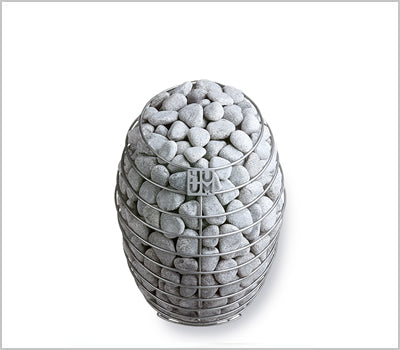
- Sauna: A traditional Finnish sauna with a Harvia or Huum electric heater. This is the centerpiece of most wellness rooms. Browse our sauna kits for indoor installation options.
- Cold plunge: A dedicated cold plunge tub with a chiller for consistent temperature control. Essential for contrast therapy and cold water immersion.
- Shower: A rinse-off station between hot and cold, and for cleaning up before and after sessions.
Additional Features (Based on Your Priorities)
- Stretching/yoga area: Open floor space with a mat for mobility work
- Foam rolling station: Wall-mounted storage for rollers, lacrosse balls, and recovery tools
- Massage table or massage chair: For manual recovery work
- Red light therapy panel: Wall-mounted or free-standing for skin and muscle recovery
- Relaxation area: A bench or lounge chair for rest periods between contrast therapy rounds
- Sound system: Waterproof speaker for ambient music or guided meditation
Choosing the Right Space
Indoor Options
Basement: The most common location for an indoor wellness room. Basements typically have concrete floors (great for water management), decent ceiling height, and enough space to fit a sauna, cold plunge, and recovery area. The existing HVAC system can help with ventilation.
Garage: A garage bay or portion of the garage works well, especially if you can section it off. Concrete floor, usually close to the electrical panel, and easy to waterproof. The trade-off is temperature extremes in uninsulated garages.
Spare room or addition: If you have a spare bedroom or are building an addition, it can be converted into a wellness room. You'll need to address waterproofing and drainage since these rooms weren't designed for water exposure.
Outdoor Options
Backyard setup: An outdoor sauna paired with an outdoor cold plunge and a covered patio or deck for rest periods. This is the most popular outdoor approach. The fresh air between sessions adds to the experience, and you avoid any indoor moisture concerns.
Pool house or outbuilding: If you have an existing structure, converting it into a wellness room gives you the best of both worlds - a dedicated indoor space with the backyard atmosphere.
Layout and Space Requirements
Minimum Viable Wellness Room
For a sauna, cold plunge, and shower, you need about 150-200 square feet of usable floor space.
- Sauna footprint: 25-50 sq ft (depending on size)
- Cold plunge footprint: 15-25 sq ft (including space to get in/out)
- Shower area: 12-16 sq ft
- Circulation space and rest area: 50-80 sq ft
Full Wellness Room
Adding a stretching area, massage table, and relaxation zone pushes the requirement to 300-500 square feet.
Layout Tips
- Place the sauna and cold plunge close together. You should be able to transition between them in seconds for effective contrast therapy.
- Put the shower between the sauna and cold plunge. This encourages a quick rinse before each plunge (which keeps your water cleaner).
- Keep the rest area away from the sauna's exhaust heat. You want to cool down in the rest area, not sit in radiant heat from the sauna.
- Plan traffic flow. The path from sauna to cold plunge to rest area should be intuitive and not require crossing the entire room.
Critical Infrastructure
Flooring
Water is inevitable in a wellness room. Your flooring needs to handle it.
- Best: Concrete with a sealed or epoxy finish and a floor drain. This is what commercial spas use.
- Good: Porcelain or ceramic tile with a proper waterproof membrane underneath and adequate slope to a drain.
- Acceptable: Luxury vinyl plank (LVP) - handles water well but doesn't have the longevity of tile or sealed concrete.
- Avoid: Hardwood, laminate, or carpet anywhere near water or the sauna.
Drainage
Install at least one floor drain, ideally near the cold plunge and shower area. The floor should slope gently toward the drain (1/4 inch per foot is standard). If you're in a basement, you may need a sump pump to move water to the sewer line.
Ventilation
A wellness room generates significant heat and humidity. You need:
- Sauna-specific ventilation: Intake and exhaust vents for the sauna room itself. See our ventilation guide.
- Room ventilation: An exhaust fan rated for the room's square footage to remove moisture from the surrounding space. A bathroom-style exhaust fan (150-300 CFM) works for most wellness rooms.
- Fresh air supply: Make sure the room has adequate fresh air intake to replace what the exhaust fan removes.
Electrical
Plan for these circuits:
- Dedicated 240V circuit for the sauna heater (30-50 amps)
- Dedicated circuit for the cold plunge chiller (usually 120V, 15-20 amps)
- General lighting and outlet circuits (GFCI protected, since you're near water)
- Exhaust fan circuit
All outlets and switches in the wellness room should be GFCI protected. No exceptions.
Water Supply and Drain
You'll need hot and cold water lines for the shower and cold water for filling the plunge tub. If you're in a basement, confirm you have access to supply lines and a drain connection. Adding plumbing to a space that doesn't have it adds $500-$2,000 to the project.
Budget Planning
| Component | Budget Range |
|---|---|
| Sauna (kit or pre-built) | $3,500 - $8,000 |
| Cold plunge with chiller | $2,000 - $6,000 |
| Shower installation | $500 - $2,000 |
| Flooring (tile or sealed concrete) | $500 - $2,000 |
| Electrical work | $500 - $1,500 |
| Plumbing (if not existing) | $500 - $2,000 |
| Ventilation | $200 - $500 |
| Accessories and finishing touches | $300 - $1,000 |
| Total (basic setup) | $8,000 - $15,000 |
| Total (full build-out) | $15,000 - $25,000+ |
Building in Phases
You don't have to build everything at once. A phased approach spreads the cost and lets you build based on what you actually use most.
- Phase 1: Sauna + basic ventilation and electrical. This is the foundation. Start using it immediately.
- Phase 2: Cold plunge. Now you have contrast therapy capability.
- Phase 3: Shower, improved flooring, and drainage.
- Phase 4: Recovery area - stretching space, red light panel, relaxation seating.
Many of our customers start with an outdoor sauna and a cold plunge in the backyard, then build out a dedicated indoor space over time as their wellness routine solidifies.
Every sauna in our collection is built with FSC-certified heat-treated Canadian hemlock and comes with Harvia or Huum heaters. Browse our outdoor saunas, indoor sauna kits, and cold plunges to start planning your wellness room.
Browse our expert-tested cold plunge collection.