Contrast Therapy Guide: How to Combine Sauna and Cold Plunge
Contrast therapy - alternating between heat and cold - is one of the most effective recovery methods available. Professional athletes, physical therapists, and wellness enthusiasts have used it for decades, and the research continues to back it up. The combination of sauna and cold plunge creates a vascular "pump" that accelerates recovery, reduces inflammation, and makes you feel genuinely amazing afterward.
This guide covers exactly how to do it, including protocols for different goals, temperature ranges, and the practical details that make the difference between a great session and a mediocre one.
Shop cold plunges at SweatDecks
- Glacier Cold Plunge Tub - $1,425
- Model S4N Cold & Hot Plunge Tub - $5,690
Affirm financing available. Free curbside shipping on orders over $5,000. See all cold plunges.
What is Contrast Therapy?
Contrast therapy is the deliberate alternation between hot and cold exposure. In practice, this usually means going from a sauna (150-185F) to a cold plunge (38-55F) and repeating for multiple rounds.
The hot phase dilates your blood vessels, increasing blood flow to your muscles and skin. The cold phase constricts them, pushing blood back toward your core. This repeated dilation and constriction creates a pumping action that moves blood, lymph fluid, and metabolic waste products through your system faster than either hot or cold alone.
Why It Works: The Science
- Vascular pumping. The alternating dilation and constriction of blood vessels moves fresh, oxygenated blood into muscles and clears metabolic waste like lactate and inflammatory byproducts.
- Reduced inflammation. Cold constricts vessels and reduces the inflammatory cascade. Heat that follows brings repair nutrients to the area. The combination is more effective than either alone.
- Nervous system regulation. Going from sympathetic activation (cold) to parasympathetic relaxation (heat) trains your autonomic nervous system to shift between states more efficiently.
- Enhanced lymphatic drainage. Your lymphatic system doesn't have a pump like your heart. The muscle contractions from shivering and the vessel changes from temperature shifts help move lymph fluid, which supports immune function and reduces swelling.
- Mood and energy. The norepinephrine surge from cold exposure combined with the endorphin release from heat creates a euphoric, energized-but-calm state that many people describe as the best they've felt all day.
Contrast Therapy Protocols
Protocol 1: Standard Recovery (Best for Most People)
This is the everyday protocol for post-workout recovery or general wellness.
| Phase | Temperature | Duration |
|---|---|---|
| Sauna (round 1) | 160-175F | 10-15 minutes |
| Cold plunge (round 1) | 45-55F | 2-3 minutes |
| Rest | Room temp | 2-5 minutes |
| Sauna (round 2) | 160-175F | 10-15 minutes |
| Cold plunge (round 2) | 45-55F | 2-3 minutes |
| Rest / cool down | Room temp | 10+ minutes |
Total time: 35-55 minutes. Two rounds is enough for solid recovery benefits.
Protocol 2: Intensive Recovery (Competition or Hard Training)
Three rounds with slightly higher heat and colder water for deeper recovery.
- Sauna at 175-185F for 15 minutes
- Cold plunge at 38-45F for 2-4 minutes
- Rest 3-5 minutes
- Sauna at 175-185F for 12-15 minutes
- Cold plunge at 38-45F for 2-4 minutes
- Rest 3-5 minutes
- Sauna at 175-185F for 10-12 minutes
- Cold plunge at 38-45F for 2-3 minutes
- Full cool-down and hydration
Total time: 55-75 minutes. Reserve this for days when you really need it.
Protocol 3: Relaxation Focus
For stress reduction and sleep improvement rather than athletic recovery.
- Sauna at 150-165F for 15-20 minutes
- Cool shower (not ice cold) for 1-2 minutes
- Sauna at 150-165F for 10-15 minutes
- Cool shower for 1-2 minutes
- Rest in a warm robe or blanket for 10-15 minutes
This gentler version is ideal for evening use, 1-2 hours before bed.
Should You End Hot or Cold?
This depends on your goal:
- End on cold if your goal is reducing inflammation, boosting alertness, or maximizing the vascular pump effect. The cold constriction after the final heat round provides the strongest anti-inflammatory finish.
- End on hot if your goal is deep relaxation or sleep preparation. Ending in the warm sauna leaves your muscles relaxed and your nervous system in a parasympathetic (rest and digest) state.
For athletic recovery, ending on cold is the standard recommendation. For overall wellness and relaxation, ending on heat works better for most people.
Setting Up Your Contrast Therapy Station
The ideal setup has the sauna and cold plunge close together - ideally within 20-30 feet of each other. The transition time between hot and cold should be quick. If you have to walk across your property, the effect is diminished because your body starts to normalize temperature before you reach the next station.
What You Need
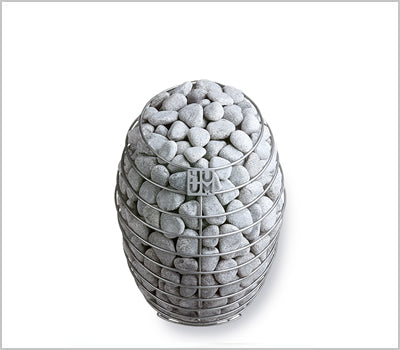
- An outdoor sauna or indoor sauna with a Harvia or Huum heater capable of reaching 175-185F
- A cold plunge tub with a chiller for consistent temperature control
- A rest area between the two - a bench, chair, or even a towel on the ground
- Water and electrolytes within reach
- A timer or clock visible from both stations
Hydration During Contrast Therapy
Contrast therapy demands more hydration than sauna alone because you're spending more total time in heat across multiple rounds.
- Before: 16-24 oz of water in the hour before your session
- During: Sip water between rounds, especially during rest periods
- After: 24-32 oz of water or electrolyte drink within the first hour
You'll sweat more than you think because the cold rounds make it less noticeable. Track your intake deliberately rather than relying on thirst.
How Often Should You Do Contrast Therapy?
| Goal | Frequency |
|---|---|
| General wellness and recovery | 2-3x per week |
| Intensive athletic recovery | 3-5x per week |
| Stress management | 2-4x per week |
You can do contrast therapy more frequently than either sauna or cold plunge alone because the alternation prevents the cumulative fatigue that extended single-modality sessions can cause.
Common Mistakes
- Rushing the hot phase. The sauna round needs to be long enough for your core temperature to actually rise. Ten minutes minimum per round.
- Skipping the rest periods. The brief rest between rounds lets your cardiovascular system normalize before the next temperature shift. Don't skip it.
- Dehydration. You lose significant fluid across multiple rounds of heat. Drink during rest periods.
- Going too cold too fast. If you're new to cold water, start at 55F for the cold rounds and work down over several weeks.
- Too many rounds. Two to three rounds is the sweet spot. Four or more rounds of full contrast therapy is exhausting and provides diminishing returns.
Ready to build your contrast therapy setup? Browse our outdoor saunas and cold plunge tubs. Our saunas are built with FSC-certified heat-treated Canadian hemlock and paired with Harvia and Huum heaters that reach contrast therapy temperatures quickly and reliably.
Browse our expert-tested cold plunge collection.