Heat Retention: Keeping Your Sauna Hot and Efficient
Heat retention is a measure of how well your sauna holds its temperature over time. A sauna with good heat retention reaches temperature quickly, stays hot consistently, and doesn't force the heater to run continuously. Poor heat retention means wasted energy, longer heat-up times, and uneven temperatures. It's the difference between a sauna that feels great and one that always feels like it's struggling.
Quick Answers
What is heat retention in a sauna?
Heat retention is how well a sauna holds its temperature over time. A sauna with good heat retention reaches temperature quickly, stays hot consistently, and doesn't force the heater to run continuously. Poor retention means wasted energy, longer heat-up times, and uneven temperatures.
What affects a sauna's heat retention the most?
Insulation quality is the biggest factor, with an R-value of R-12 or higher recommended. Other factors include vapor barriers, wall thickness, door quality, ceiling height, and window size. A foil vapor barrier alone can improve heating efficiency by 20-30%.
Why does my sauna lose heat too quickly?
A worn or damaged door seal is the most common and easiest-to-fix cause of poor heat retention. The door is often the weakest point for heat loss, so check weatherstripping first. Also avoid opening windows during a session unless you want ventilation cooling.
Do sauna stones help with heat retention?
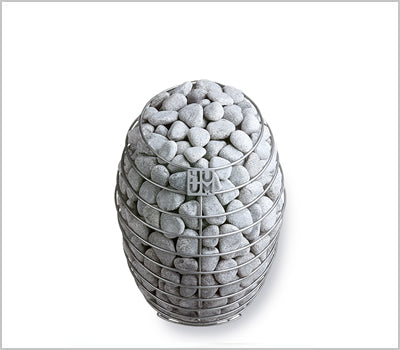
Yes, sauna stones act as thermal mass, absorbing heat and releasing it slowly like a thermal battery. About 50 pounds of quality stones holds temperature better during door openings and water throws than minimal stone mass, smoothing out temperature swings.
Does ceiling height affect sauna heat retention?
Yes, lower ceilings retain heat better because there is less air volume to heat and less vertical space for temperature stratification. This is one reason pre-built sauna designs often keep ceiling height modest.
Shop all saunas at SweatDecks
- FD-1 Full-Spectrum Infrared Sauna - $4,695
- FD-3 Full Spectrum Infrared Sauna - $6,495
Affirm financing available. Free curbside shipping on orders over $5,000. See all all saunas.
What Affects Heat Retention
- Insulation quality: Wall and ceiling insulation is the biggest factor. Proper insulation with an R-value of R-12 or higher keeps heat inside the room. Most pre-built saunas have insulation built into the wall panels. Custom builds need insulation added between studs.
- Vapor barrier: Aluminum foil vapor barriers reflect radiant heat back into the room while blocking moisture. This single layer can improve heating efficiency by 20-30%.
- Wall thickness: Thicker walls hold more thermal energy. A 2-inch thick wall retains heat better than a 1-inch panel, even with the same insulation.
- Door quality: The door is often the weakest point for heat loss. A well-sealed, insulated door with tight weatherstripping makes a noticeable difference. Glass doors lose more heat than solid wood doors.
- Ceiling height: Lower ceilings retain heat better because there's less air volume to heat and less vertical space for temperature stratification.
- Window size: Windows are heat loss points. Smaller windows or double-pane glass help.
Thermal Mass
Sauna stones, thick benches, and heavy wall materials absorb heat and release it slowly, acting as a thermal battery. A sauna packed with 50 pounds of quality stones holds temperature better during door openings and water throws than one with minimal stone mass. This stored heat smooths out temperature swings.
Practical Tips
Keep the door closed as much as possible - every opening dumps a significant amount of hot air. Don't open windows during your session unless you specifically want ventilation cooling. If your sauna seems to lose heat too quickly, check the door seal first. A worn or damaged seal is the most common and easiest-to-fix cause of poor retention.
Related Terms
Well-Insulated Saunas
Our saunas are built with proper insulation and tight construction for excellent heat retention. Browse our indoor saunas and outdoor saunas to compare specs.
How to Use This Guide
Use this guide as a practical starting point, then confirm product specifications, installation requirements, electrical needs, water care steps, and medical considerations with the appropriate professional before making a final decision.
Where SweatDecks Can Help
SweatDecks helps shoppers compare saunas, cold plunges, heaters, accessories, delivery requirements, and setup considerations so the finished wellness space is easier to buy, install, and maintain.
Practical Buying Context
When comparing sauna, cold plunge, heater, steam, or accessory options, review the product specifications, installation manual, warranty terms, delivery requirements, maintenance routine, and compatibility details before choosing a model. The right answer often depends on available space, power, plumbing, climate, budget, and who will use the setup.
When to Get Professional Help
Use qualified professionals for electrical work, plumbing, structural support, ventilation, medical questions, and local code requirements. SweatDecks can help with product research and planning questions, but final installation and safety decisions should match the manufacturer instructions and applicable local requirements.
Decision Checklist
Before acting on this topic, compare the relevant product specifications, space requirements, care routine, warranty terms, replacement parts, and installation constraints. For health, electrical, plumbing, structural, or code questions, confirm details with the appropriate qualified professional.
Related SweatDecks Research Paths
Most sauna and cold plunge decisions connect to a few core questions: how much space you have, how often the setup will be used, what maintenance feels realistic, and whether the product fits your budget, climate, delivery path, and long-term wellness routine.
What to Verify Before You Decide
Use this article as a starting point, then check current product specifications, manufacturer instructions, delivery requirements, warranty terms, and maintenance expectations. Sauna and cold plunge projects can involve heat, water, electricity, ventilation, structural support, and personal health considerations, so the best next step is often to confirm details with the appropriate qualified professional before purchase or installation.
How This Connects to a Home Wellness Setup
The strongest buying decisions balance comfort, safety, durability, budget, and daily usability. SweatDecks helps shoppers compare sauna, cold plunge, steam, heater, chiller, and accessory options so the finished setup fits the space, routine, and long-term ownership plan.
Browse our expert-tested cold plunge collection.