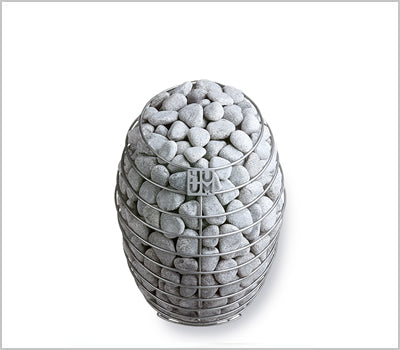
Wood Burning vs Electric Sauna Heater: True Cost Comparison
The wood-burning vs electric heater debate in sauna circles is usually about experience and tradition. But there's a practical question underneath all of that: which one actually costs more to buy, install, and operate? The answer isn't as straightforward as you'd think.
Quick Answers
How much does an electric sauna heater cost?
A quality electric sauna heater costs $400-$2,500 depending on brand and power, with brands like Harvia and Huum spanning that range. Installation needs a dedicated electrical circuit, typically $300-$800 for a licensed electrician. Total all-in cost runs $700-$3,300, making electric cheaper upfront than most wood-burning setups.
Is wood-burning or electric cheaper for a sauna?
Electric is cheaper on nearly every measure: lower upfront cost ($700-$3,300 vs $1,350-$4,450), lower annual operating cost ($150-$400 vs $200-$800), and lower maintenance ($0-$50/year vs $100-$300/year). Over 10 years, electric totals $2,200-$7,800 versus $4,350-$15,450 for wood-burning.
What are the pros and cons of wood-burning vs electric sauna heaters?
Electric heaters cost less upfront, heat up faster (25-45 minutes vs 45-90), require little maintenance, and run predictably. Wood-burning heaters cost more overall and need chimney cleaning and fire-tending, but offer a traditional experience and work in locations without electricity, since they only need a chimney and firewood.
What is the total cost of ownership for wood-burning vs electric saunas?
Over 10 years of regular use (3-4 sessions weekly), wood-burning costs $4,350-$15,450 while electric costs $2,200-$7,800. Electric wins even in wood's best-case scenario, free firewood and DIY chimney cleaning, because of lower installation and near-zero maintenance costs.
Shop wood-burning heaters at SweatDecks
- Pipe Adapter Wood-Burning Sauna Heater - PIPE ADAPTOR - $169
- Kuru Safety Wall Set - KURU SAFETY WALL SET - $518
Affirm financing available. Free curbside shipping on orders over $5,000. See all wood-burning heaters.
Upfront Costs: Purchase and Installation
Wood-Burning Heater
A quality wood-burning sauna stove costs $500-$2,000 depending on brand, size, and features. Popular brands like Harvia, Kuuma, and Nippa fall in this range. You also need a chimney system, which adds $300-$800 for the pipe, flashing, and cap. A fireproof floor pad underneath the stove runs another $50-$150.
Installation is where wood-burning gets expensive. The chimney needs to pass safely through the roof or wall, which requires proper clearances, fireproof materials, and in many jurisdictions, a building permit and inspection. Professional installation runs $500-$1,500 depending on complexity and local rates. Total all-in cost: $1,350-$4,450.
Electric Heater
A quality electric sauna heater costs $400-$2,500 depending on brand, power, and features. Harvia, Huum, and similar brands span this range. No chimney, no floor pad, no fire-related infrastructure needed.
Installation requires a dedicated electrical circuit from your breaker panel to the sauna. A licensed electrician typically charges $300-$800 for this work, depending on the distance from your panel and whether you need a panel upgrade. Total all-in cost: $700-$3,300.
Fuel and Operating Costs
Wood-Burning Operating Costs
A typical sauna session burns 15-30 lbs of firewood. If you buy firewood, a cord (roughly 2,000-2,500 lbs of usable wood) costs $200-$400 depending on your region and the wood type. That's roughly 80-160 sessions per cord, or $1.25-$5.00 per session.
If you sauna 3-4 times per week, annual firewood costs run $200-$800. If you have access to free wood (your own land, tree services dropping off logs), the fuel cost drops to zero - just your time splitting and stacking.
There's also the time cost. A wood-burning sauna takes 45-90 minutes to heat up (vs 25-45 for electric), and you need to tend the fire during that time. You can't set it and forget it. You're building a fire, feeding it, adjusting airflow, and monitoring the temperature manually.
Electric Operating Costs
An electric sauna heater typically draws 4.5-9kW for 1-2 hours per session (including heat-up time). At the US average electricity rate of about $0.16/kWh, a session costs roughly $1.00-$2.50 in electricity.
If you sauna 3-4 times per week, annual electricity costs run $150-$400. The cost is predictable, doesn't vary by season (unlike firewood), and requires zero physical effort. You turn it on, wait, and it's ready.
Wood Burning vs Electric Cost: Full Comparison
| Cost Category | Wood-Burning | Electric |
|---|---|---|
| Heater Purchase | $500 - $2,000 | $400 - $2,500 |
| Chimney/Electrical | $300 - $800 (chimney parts) | $300 - $800 (electrician) |
| Installation Labor | $500 - $1,500 | Included in electrical work |
| Total Upfront | $1,350 - $4,450 | $700 - $3,300 |
| Cost Per Session | $1.25 - $5.00 (purchased wood) | $1.00 - $2.50 (electricity) |
| Annual Operating (3-4x/week) | $200 - $800 | $150 - $400 |
| Heat-Up Time | 45-90 minutes | 25-45 minutes |
| Maintenance Costs | $100-$300/year (chimney cleaning, parts) | $0-$50/year (minimal) |
| 10-Year Total Cost of Ownership | $4,350 - $15,450 | $2,200 - $7,800 |
Maintenance and Long-Term Costs
Wood-burning stoves need annual chimney cleaning ($100-$200 if you hire a chimney sweep, or $50-$100 for DIY with a brush kit). Creosote buildup in the chimney is a fire hazard that must be managed. You'll also need to replace firebricks, gaskets, and occasionally the fire grate over the stove's lifetime. Budget $100-$300/year for ongoing maintenance.
Electric heaters have very low maintenance costs. Replace the heating elements every 5-10 years ($50-$200 for parts), and replace the sauna stones every 1-3 years ($30-$80). That's it. There's no chimney to clean, no fire to manage, and no ash to dispose of. Annual maintenance costs are effectively $0-$50.
The 10-Year Total Cost
When you add everything up over a decade of regular use (3-4 sessions per week), electric heating costs significantly less than wood-burning. Even in the best-case scenario for wood (free firewood, DIY chimney cleaning), electric still comes out ahead on total cost because of the lower upfront installation and near-zero maintenance.
The only scenario where wood-burning is cheaper is if you have unlimited free firewood and do all maintenance yourself. Even then, the time investment is substantial - splitting wood, hauling it to the sauna, building fires, and cleaning chimneys all take hours that electric heater owners spend doing something else.
When Wood-Burning Makes Sense Despite the Cost
Cost isn't everything. Wood-burning saunas offer an experience that electric can't replicate. The crackle of the fire, the ritual of building and tending it, the smell of burning birch - these things have real value for people who connect with the traditional sauna experience.
Wood-burning also works in locations without electricity. If your sauna is in a remote spot on your property, running electrical lines might cost thousands. A wood-burning stove just needs a chimney and a supply of firewood.
The Verdict
On pure cost, electric wins at every stage: lower upfront investment, lower operating costs, lower maintenance, and lower total cost of ownership over time. If your primary consideration is economics and convenience, electric is the clear choice.
Wood-burning earns its keep through the experience it provides and its independence from electrical infrastructure. If you love the ritual of fire, have access to cheap or free firewood, and don't mind the extra time and maintenance, the premium is paying for something money can't easily quantify.
SweatDecks offers saunas compatible with both electric and wood-burning heaters. Browse our heater collection for electric options from Harvia and Huum, or explore our outdoor sauna collection for models that support both heater types.
Frequently Asked Questions
Can I switch from wood-burning to electric later?
Yes, but it involves some work. You'll need to remove the chimney system (or cap it off), patch any roof or wall penetrations, run electrical wiring to the sauna, and install the electric heater. Budget $800-$2,000 for the conversion depending on the electrical distance and how much chimney work is involved. It's doable but not trivial.
Which type of heater produces better steam?
Both can produce excellent steam when designed correctly. The steam quality depends more on stone capacity than on how the stones are heated. A wood-burning stove with a large stone mass produces wonderful steam, and so does an electric heater with ample stone capacity. High-end electric heaters like the Huum HIVE, with 220 lbs of stones, produce steam that rivals any wood-burning setup.
Is it safe to have a wood-burning stove in a barrel sauna?
Yes, many barrel saunas are designed for wood-burning heaters. The chimney exits through the barrel roof, and proper clearances are maintained between the stove, chimney, and wood surfaces. The key is using a sauna-specific wood stove (not a fireplace insert or camp stove) and following the manufacturer's clearance specifications exactly. Many barrel sauna kits offer wood-burning as an option with the chimney kit included.
What's the best firewood for a sauna?
Birch is the traditional choice in Finland and produces good heat with a pleasant aroma. Other hardwoods like oak, maple, and ash burn hot and clean. Avoid softwoods like pine and spruce for regular use - they produce more creosote and spark more. Whatever wood you use, make sure it's dry (seasoned for at least 6-12 months). Wet wood burns poorly, produces excessive smoke, and accelerates creosote buildup in the chimney.
Try Our Free Tools
Browse our expert-tested cold plunge collection.