What to Look for in a Sauna Kit: A Buyer's Checklist
Sauna kits are one of the smartest ways to buy a home sauna. You get a manufacturer-designed product at a lower price than a fully assembled unit, and you build it yourself in a weekend. But not all kits are created equal, and the details that separate a great kit from a frustrating one aren't always obvious from a product listing.
Quick Answers
What should be included in a sauna kit?
A complete kit should include numbered wall panels, roof panels, floor boards, benches, a door with hardware, heater with controls, sauna rocks (for traditional heaters), all fasteners, ventilation components, and assembly instructions. Items often sold separately include the foundation, electrical wiring, lighting, thermometer, and exterior finish, so ask what's excluded before buying.
What wood is best for a sauna kit?
Western red cedar is the gold standard for outdoor kits because it resists rot, repels insects, and handles moisture well. Thermally modified wood is a strong alternative. Hemlock and basswood work fine indoors. Outdoor wall thickness should be at least 1.5 inches, and avoid untreated pine or spruce outside.
How long does it take to assemble a sauna kit?
Most quality kits take 4 to 8 hours for two people using basic tools. Look for pre-cut, pre-drilled, and numbered pieces with clear diagrams or a video, since kits requiring custom lumber cuts add significant time and room for error.
What size heater do I need for a sauna kit?
Use roughly 1 kW per 45-50 cubic feet of interior volume. A 6x6x7 foot sauna (252 cubic feet) needs at least a 5-6 kW heater. Stick with recognized brands like Harvia, Huum, Sawo, or Tylo rather than no-name heaters.
What warranty should a sauna kit have?
Look for separate coverage on the wood structure and the heater, since they fail differently. A good warranty is 2+ years on the heater and 5+ years on the structure. A great one offers 5+ years on the heater and lifetime structural coverage. One year or less is a red flag.
Here's exactly what to check before you buy.
Shop all saunas at SweatDecks
- FD-1 Full-Spectrum Infrared Sauna - $4,695
- FD-3 Full Spectrum Infrared Sauna - $6,495
Affirm financing available. Free curbside shipping on orders over $5,000. See all all saunas.
Wood Quality and Type
The wood is the single most important component. It determines how the sauna looks, smells, performs, and how long it lasts. Here's what to look for:
- Species: Western red cedar is the gold standard for outdoor saunas. It resists rot, repels insects, smells great, and handles moisture well. Thermally modified wood is an excellent alternative. Hemlock and basswood work fine for indoor infrared saunas. Avoid untreated pine or spruce for outdoor use.
- Thickness: Wall thickness should be at least 1.5 inches for outdoor saunas. Under 1.25 inches, you'll have insulation problems and the sauna won't hold temperature well. For indoor saunas, 1 inch is acceptable.
- Grade: Look for clear or A-grade lumber with tight, consistent grain and minimal knots. Knotty wood is weaker, traps moisture, and can leak sap at high temperatures.
- Kiln-dried: The wood should be kiln-dried to a moisture content below 12%. Air-dried lumber can warp and cup after installation.
The Heater
A great wooden box with a bad heater is a bad sauna. Check these specifics:
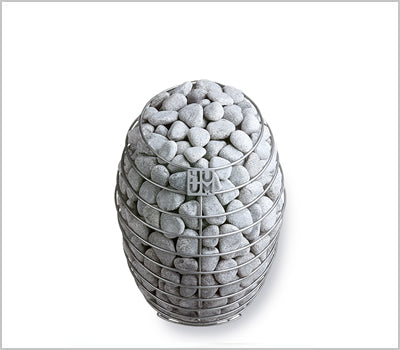
- Kilowatt rating: The heater should be properly sized for the sauna's interior volume. General rule: 1 kW per 45-50 cubic feet. A 6x6x7 foot sauna (252 cubic feet) needs at least a 5-6 kW heater.
- Brand: Recognized heater brands (Harvia, Huum, Sawo, Tylo) have proven track records. No-name heaters are a gamble.
- Type: Electric heaters are the most common. Wood-burning stoves are available for some kits. Know which electrical requirements (120V vs. 240V) are needed.
- Controls: Built-in vs. external controls. External digital controllers are easier to use and often more precise.
- Rocks included? Some kits include sauna rocks, others don't. Quality rocks (olivine, peridotite, or volcanic) cost $30-$80 separately.
What Should Be Included in the Kit
A complete sauna kit should include everything you need to build and use the sauna. Here's the checklist:
- All wall panels or staves (numbered for assembly)
- Roof/ceiling panels
- Floor boards or frame
- Benches (upper and lower)
- Door (glass or wood) with hardware
- Heater with controls
- Sauna rocks (if traditional heater)
- All fasteners, screws, brackets, and hardware
- Ventilation components
- Assembly instructions
Ask specifically what is NOT included. Common items that might be extra: the foundation or base, electrical wiring and circuit breaker, interior lighting, thermometer and hygrometer, backrests, exterior stain or finish, and assembly tools.
Hardware and Fasteners
This is where cheap kits cut corners. Look for stainless steel screws, brackets, and bands (not zinc-plated or bare steel that will rust). Door hinges should be heavy-duty. Glass doors should be tempered. Barrel sauna bands should be stainless steel with proper tensioning mechanisms.
Insulation
For outdoor saunas, insulation between the inner and outer walls makes a huge difference in performance and energy efficiency. Some kits include insulation, others don't. If the kit doesn't include it and you're installing outdoors, plan to add your own mineral wool or foil-backed insulation.
Indoor sauna kits usually don't need additional insulation since they're in a climate-controlled space.
Assembly Complexity
A good kit is designed for two people with basic tools. Ask about:
- Assembly time: Most quality kits take 4-8 hours for two people
- Instructions: Are they clear with diagrams? Is there a video? Can you download them before buying to preview?
- Pre-cut and pre-drilled: The best kits have pieces that are cut to size and pre-drilled for fasteners. Kits that require you to cut lumber add time, tools, and margin for error.
- Numbered parts: Each piece should be labeled so you know exactly where it goes
Warranty
A warranty tells you how much the manufacturer trusts their own product. Look for separate coverage on the structure (wood) and the heater - these have different failure modes and timelines.
- Good: 2+ years on the heater, 5+ years on the structure
- Great: 5+ years on the heater, lifetime on the structure
- Red flag: 1 year or less on anything, or no warranty at all
Ventilation
Proper ventilation is critical for sauna performance and wood longevity. The kit should include intake and exhaust vents positioned correctly (intake low near the heater, exhaust high on the opposite wall). If the kit doesn't address ventilation, you'll need to plan it yourself.
Our Recommendation
Spend your time researching the wood, the heater, and the warranty. Those three things determine 90% of your sauna experience. Everything else is important but secondary.
Browse our barrel sauna kits and outdoor sauna kits for options that include everything on this checklist. If you prefer a plug-and-play indoor solution, our indoor sauna collection includes models that assemble in under 2 hours.
Try Our Free Tools
Browse our expert-tested cold plunge collection.