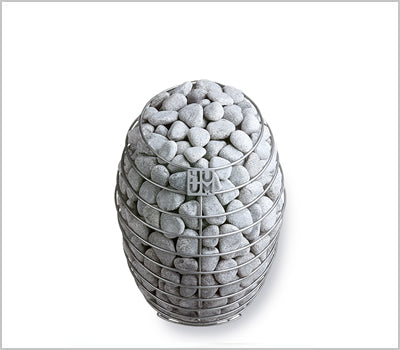
Short answer: choose a sauna if you want a dedicated dry-heat room and the traditional sauna experience. Choose a steam shower if you specifically want humid heat and can build or convert a shower as a vapor-tight enclosure. The decision is mainly about experience, construction, utilities, and maintenance, not a universal health winner.
Quick answers
What is the main difference between a sauna and a steam shower?
A sauna is a dedicated heated room with relatively dry air. A steam shower is a waterproof shower enclosure supplied by a steam generator. The sauna needs heat-safe construction and a sauna heater. The steam shower needs plumbing, drainage, vapor control, waterproofing, and generator access.
Can a steam shower replace a sauna?
It can replace the need for a second dedicated room if humid heat is the experience you want, but it does not recreate a traditional sauna. Temperature, humidity, materials, maintenance, and the available research differ.
Which takes less space, a sauna or steam shower?
A steam system can use an appropriately built shower enclosure, which may reduce the visible footprint. It still needs generator and service space. A sauna needs a separate cabin or room plus heater clearances and ventilation.
Which is easier to maintain?
A sauna generally has a lower moisture load. A steam shower needs routine cleaning plus close attention to grout or panels, seals, drainage, ventilation, and generator maintenance. Both require equipment inspection and drying between uses.
Which has better evidence for health benefits?
Dry sauna bathing has a larger published research base. Steam-shower research is much thinner, so sauna findings should not be presented as proof that a steam shower produces the same outcomes.
Sauna vs steam shower at a glance
| Factor | Sauna | Steam shower |
|---|---|---|
| Environment | Hotter air with low humidity | Lower air temperature with very high humidity |
| Primary equipment | Sauna heater, controls, rocks where applicable | Steam generator, controls, steam head, plumbing, drain |
| Room construction | Heat-safe insulated room with ventilation and clearances | Waterproof and vapor-tight enclosure with drainage and service access |
| Moisture load | Lower, with short humidity bursts in a traditional sauna | High condensation on walls, ceiling, door, and fixtures |
| Research depth | Larger body of dry-sauna research | Limited direct clinical research |
How the two experiences differ
Sauna
A traditional sauna uses an electric or wood-burning heater to warm the room, benches, stones, and bathers. Humidity is generally low, although water poured over approved sauna stones creates a temporary wave of humidity. Infrared cabins are also dry, but they are a separate format that usually operates at a lower air temperature.
A sauna is best understood as its own room or cabin. The design needs an appropriate heater, clearances, ventilation, insulation, electrical or chimney planning, safe bench placement, and materials intended for sauna temperatures.
Steam shower
A steam shower uses a generator to boil water and deliver vapor through a steam head into a sealed shower enclosure. The room operates at a lower air temperature, but humidity makes sweat evaporation less effective and creates a different heat sensation.
The generator is normally outside the wet enclosure in an accessible service location. The enclosure needs waterproofing, vapor control, drainage, a suitable ceiling and door design, and fixtures rated for the environment. Manufacturer drawings and local plumbing and electrical requirements take priority.
Which project fits your available space?
A steam shower can be attractive when an existing bathroom is already being rebuilt and the shower can be designed as a complete steam enclosure. It is not a simple generator add-on to any shower. The ceiling, wall assembly, door, penetrations, drain, controls, and ventilation all need to work as a system.
A prefabricated sauna may be easier when there is available indoor or outdoor floor area and a suitable electrical path or wood-stove plan. Outdoor saunas also need a stable foundation, drainage, weather protection, delivery access, and any required permits.
Utilities and installation
Sauna requirements
- Dedicated electrical service for an electric heater or an approved chimney plan for a wood-fired heater.
- Heater clearances, guard, ventilation, and controls installed to the exact manual.
- A level foundation or floor that supports the sauna, equipment, and occupants.
- Heat-safe lighting, wiring, and penetrations.
Steam-shower requirements
- Water supply, drain, and electrical service for the generator and controls.
- A vapor-tight and waterproof enclosure designed for continuous condensation.
- Generator access for inspection, flushing, and repair.
- A steam head and temperature sensor placed exactly as the manufacturer specifies.
The MrSteam residential guide library and ThermaSol manuals library show why equipment selection and enclosure design must be planned together.
Maintenance comparison
A sauna needs regular bench and floor cleaning, heater and rock inspection, ventilation checks, and time to dry after use. An outdoor room also needs roof, exterior finish, foundation, and drainage inspection.
A steam shower needs the normal cleaning of a wet shower plus generator service, scale management, drain care, seal inspection, and attention to grout, panels, fixtures, and ventilation. Hard-water conditions can increase generator maintenance. Follow the flushing or auto-drain schedule for the installed system.
What does the research support?
A systematic review of 40 dry-sauna studies found promising health signals but also important limitations, including small studies and varied methods. The review excluded high-humidity steam interventions. That means the sauna evidence cannot be used as proof that a steam shower produces equivalent cardiovascular or recovery outcomes.
Both environments can create meaningful heat strain. High humidity reduces evaporative cooling, according to CDC heat guidance. Leave immediately if you feel faint, confused, nauseated, unusually weak, short of breath, or unwell. People with health conditions, pregnancy, fever, dehydration, heat-sensitive medications, or previous heat illness should seek individualized guidance.
How to decide
Choose a sauna if:
- You prefer dry heat and a dedicated bathing room.
- You want traditional sauna stones and löyly or a clearly defined infrared format.
- You have suitable floor area, electrical capacity, foundation, and ventilation.
- You prefer a lower-moisture enclosure.
Choose a steam shower if:
- You specifically prefer humid heat.
- You are already designing a bathroom and can build a complete steam enclosure.
- You have appropriate plumbing, drainage, generator access, and vapor control.
- You accept the additional moisture and scale-management work.
Compare full project scope, not only equipment
For a sauna, include the room or kit, heater, controls, rocks, foundation, electrical work, delivery, assembly, ventilation, and weather package. For a steam shower, include the generator, controls, steam head, plumbing, electrical work, waterproofing, vapor control, door, drainage, finishes, and service access.
Browse traditional saunas, compare steam generators, or review the installation planning guide before requesting project-specific pricing.
Sources
- MrSteam. Residential steam guides and specifications.
- ThermaSol. Steam-system guides and manuals.
- ThermaSol. Steam Shower Series installation instructions.
- Hussain J, Cohen M. Clinical Effects of Regular Dry Sauna Bathing: A Systematic Review. 2018.
- CDC. Heat and cold illness guidance.
Browse our expert-tested cold plunge collection.