Sauna vs Jacuzzi Cost: Total Cost of Ownership Compared
You want something relaxing in your backyard. A sauna and a jacuzzi both deliver, but they hit your wallet in very different ways. The sticker price is just the beginning. Energy bills, water costs, chemicals, repairs, and maintenance stack up over time and can completely flip the equation on which one is actually cheaper.
Let's break down every cost you'll face over 10 years so you can make a real decision based on real numbers.
Shop all saunas at SweatDecks
- FD-1 Full-Spectrum Infrared Sauna - $4,695
- FD-3 Full Spectrum Infrared Sauna - $6,495
Affirm financing available. Free curbside shipping on orders over $5,000. See all all saunas.
Purchase Price: Saunas Start Lower
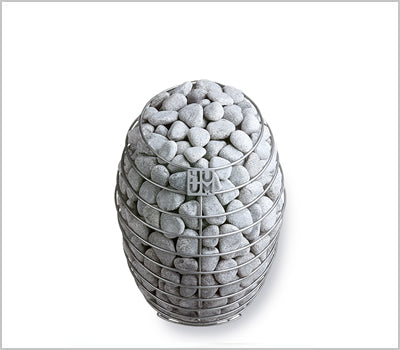
A quality outdoor sauna runs between $3,500 and $10,000 for most home models. That gets you a 2-6 person unit in heat-treated wood with an electric heater. Barrel saunas sit on the lower end, cabin-style saunas toward the higher end. Premium heaters like Harvia or Huum add a few hundred dollars but last decades.
Jacuzzis (hot tubs) have a wider price range. Budget models with rotomolded shells start around $3,000, but a decent acrylic hot tub with proper jets and insulation runs $6,000-$12,000. High-end models from brands like Jacuzzi, Hot Spring, or Bullfrog push well past $15,000. Most people buying a "good" hot tub land somewhere around $8,000-$10,000.
Edge: Saunas. You get a quality unit for less upfront money.
Installation Costs
Saunas need relatively simple site prep. A level gravel pad, a few concrete pavers, or an existing deck section works fine. If you're running a 240V heater, an electrician will charge $300-$800 for the hookup depending on how far the panel is. Total installation: $300-$1,200 in most cases.
Hot tubs need a reinforced pad that can handle 3,000-5,000 pounds when filled with water and people. A concrete pad runs $500-$1,500. You'll need a dedicated 240V, 50-amp circuit - that electrical work typically costs $500-$1,500. Some hot tubs also need a crane or special delivery for placement. Total installation: $1,000-$3,000.
Edge: Saunas. Less weight, simpler foundation, cheaper electrical.
Monthly Energy Costs
This is where things get interesting. A sauna only uses energy when you're actually in it. A typical session runs 30-60 minutes. A 6kW heater running for 45 minutes uses roughly 4.5 kWh. At the national average of $0.16/kWh, that's about $0.72 per session. Use it four times a week and you're looking at roughly $12/month in electricity.
A hot tub runs 24/7 to maintain temperature. Even well-insulated models use 200-400 kWh per month depending on climate, cover quality, and set temperature. At $0.16/kWh, that's $32-$64/month. In cold climates, expect the high end. In places like Minnesota or Colorado, winter months can push hot tub energy costs past $80/month.
Over 10 years, a sauna costs roughly $1,400 in electricity. A hot tub costs $4,800-$7,700. That gap alone can pay for the sauna itself.
Water and Chemical Costs
Saunas use almost no water. You might splash a ladle on the rocks for steam, but there's nothing to fill, treat, or drain. Annual water cost: basically zero.
Hot tubs hold 300-500 gallons and need draining every 3-4 months. Refilling costs $5-$15 each time depending on local water rates. But the real ongoing cost is chemicals. Chlorine or bromine, pH balancers, shock treatments, clarifiers, and test strips add up to $30-$60/month. That's $360-$720 per year.
Over 10 years: Sauna water/chemical cost is near $0. Hot tub water and chemicals: $3,600-$7,200.
Maintenance and Repairs
Sauna maintenance is minimal. Wipe the benches, sweep the floor, maybe sand the wood once a year. Heater stones need replacing every 2-3 years ($30-$60). The heater itself can last 15-25 years. Exterior wood on an outdoor sauna might need a coat of stain every few years ($50-$100). Total annual maintenance: about $50-$150.
Hot tubs have pumps, jets, heaters, control boards, covers, and plumbing that all wear out. Common repairs include pump replacement ($200-$600), heater element ($150-$400), cover replacement every 3-5 years ($300-$500), and jet repairs ($50-$200 each). The average hot tub owner spends $200-$500 per year on maintenance and repairs, with bigger bills hitting every few years.
10-Year Total Cost of Ownership
| Cost Category | Sauna (10 Years) | Hot Tub (10 Years) |
|---|---|---|
| Purchase Price | $4,000-$8,000 | $6,000-$12,000 |
| Installation | $300-$1,200 | $1,000-$3,000 |
| Electricity (10 yr) | $1,400 | $4,800-$7,700 |
| Water & Chemicals (10 yr) | ~$0 | $3,600-$7,200 |
| Maintenance & Repairs (10 yr) | $500-$1,500 | $2,000-$5,000 |
| 10-Year Total | $6,200-$12,100 | $17,400-$34,900 |
Health Benefits: Both Deliver, Differently
Saunas excel at cardiovascular conditioning, deep sweating for detox, stress reduction, and muscle recovery. Regular sauna use has been linked to lower blood pressure, improved circulation, and reduced all-cause mortality in long-term Finnish studies. The heat is dry (or mildly humid with steam), and sessions are typically 15-20 minutes.
Hot tubs combine warm water immersion with jet massage. They're excellent for joint pain, arthritis relief, and relaxation. The buoyancy takes pressure off joints in ways dry heat can't match. But the health research is thinner compared to sauna studies, and the temperatures are lower (100-104F vs 150-190F for saunas).
Lifespan
A well-built sauna made from heat-treated wood lasts 20-30 years with basic upkeep. The heater might need replacing once in that time. The structure itself just keeps going.
Hot tubs typically last 10-15 years before major component failures make replacement more practical than repair. The shell, plumbing, and electronics all degrade faster than solid wood in a heated, dry environment.
The Verdict
On pure cost of ownership, saunas win by a wide margin. Over 10 years, a hot tub can cost two to three times more than a sauna when you factor in energy, chemicals, water, and repairs. Saunas are simpler machines with fewer parts to break, no water chemistry to manage, and dramatically lower energy consumption.
If you love the water immersion and jet massage of a hot tub, that experience is worth paying for. But if you're choosing between the two and cost matters, a sauna gives you more health benefit per dollar spent.
Get a Sauna That Lasts
Our outdoor sauna collection is built from FSC-certified, heat-treated Canadian hemlock that handles weather without rotting. Pair it with a Harvia or Huum heater and you've got a setup that'll outlast any hot tub on the market. Every order over $5,000 ships free, and you can use HSA/FSA funds through TrueMed or split payments with 0% APR Affirm financing.
Try Our Free Tools
Browse our expert-tested cold plunge collection.