Sauna vs Jacuzzi: Which One Is Actually Better for You?
Both involve heat. Both feel great after a long day. But a sauna and a jacuzzi (hot tub) are fundamentally different experiences with different health benefits, maintenance demands, and costs.
Quick Answers
What's the difference between a sauna and a jacuzzi?
A sauna heats air to 150-195°F with low humidity, so your body cools itself through sweating. A jacuzzi heats water to 100-104°F and submerges your body, so you can't cool through evaporation. Water conducts heat far more efficiently than air, which is why a 102°F hot tub can feel as intense as a 170°F sauna.
Is a sauna or jacuzzi better for you?
Saunas have the stronger research base, including Finnish studies linking regular use to a 50% reduced risk of fatal cardiovascular disease. Hot tubs offer real benefits too, especially jet massage for muscle and joint pain relief. For overall health outcomes backed by research, sauna has the edge.
Should you use a jacuzzi or sauna first?
The article doesn't specify an order for using both. It does note saunas pair well with cold plunges for contrast therapy, combining sauna health benefits with the recovery effects of cold exposure, at a lower overall maintenance cost than running a hot tub alone.
Which costs more to maintain, a sauna or a jacuzzi?
A hot tub costs roughly $1,000-$1,800 per year to run, covering electricity, chemicals, water changes, and filters. A sauna costs about $150-$400 per year since it only draws power when in use and needs no chemicals or water treatment. Saunas are the clear winner on ongoing costs.
Does a sauna or jacuzzi need more space?
Both need a similar footprint. A 4-person hot tub needs about 7x7 feet plus a reinforced pad that can hold 3,000+ pounds when filled. An outdoor sauna needs roughly 6x6 to 8x8 feet, weighs much less, and only requires an electrical connection, no plumbing or special pad.
If you're choosing between the two for your home, here's an honest comparison to help you decide.
Orders over $5,000 ship free, and you can compare every model in our full sauna collection.
Shop all saunas at SweatDecks
- FD-1 Full-Spectrum Infrared Sauna - $4,695
- FD-3 Full Spectrum Infrared Sauna - $6,495
Affirm financing available. Free curbside shipping on orders over $5,000. See all all saunas.
How They Work: Dry Heat vs. Hot Water
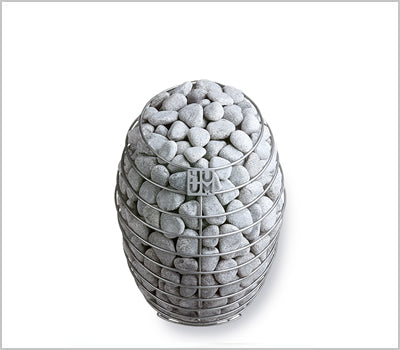
A traditional sauna heats the air to 150-195°F using an electric or wood-burning heater and sauna stones. Humidity stays low (10-20%) unless you pour water on the stones. Your body cools itself through sweating, which is the whole point.
A jacuzzi fills a tub with water heated to 100-104°F. Jets push the water around, creating a massage effect. Your body is submerged, so it can't cool itself through evaporation. The heat transfer from hot water to your body is much more efficient than from hot air.
That's why a hot tub at 102°F can feel as intense as a sauna at 170°F. Water conducts heat roughly 25 times better than air.
Health Benefits: Sauna Wins on Research
Sauna Benefits
Saunas have the stronger research base, largely thanks to Finnish studies tracking thousands of people over decades. The documented benefits include:
- 50% reduced risk of fatal cardiovascular disease (with 4-7 sessions/week)
- Lower blood pressure and improved arterial function
- Reduced inflammation markers
- Better sleep quality
- Reduced risk of dementia and Alzheimer's
- Improved immune function
- Faster muscle recovery
The sweating component is also significant. You'll sweat far more in a sauna than a hot tub because your sweat can actually evaporate and do its job.
Jacuzzi Benefits
Hot tubs deliver genuine benefits too, just with less long-term research behind them:
- Muscle relaxation from heat plus jet massage
- Temporary pain relief for arthritis and joint stiffness
- Improved circulation
- Stress reduction
- Potential blood sugar benefits (some studies show improved insulin sensitivity)
The jet massage is something a sauna simply can't replicate. If you have chronic joint pain or muscle tension, the combination of heat and water pressure hitting specific areas feels genuinely therapeutic.
The Verdict on Health
For pure health outcomes backed by serious research, sauna has the edge. The Finnish cardiovascular data is hard to argue with. But if your main goal is pain relief from sore muscles and joints, a hot tub's massage jets are uniquely effective.
Maintenance: Sauna Wins Decisively
This is where the comparison gets lopsided.
Sauna Maintenance
A sauna is essentially a wooden room with a heater. Maintenance is minimal:
- Wipe down benches occasionally
- Leave the door cracked after sessions to ventilate
- Replace sauna stones every few years
- Sand benches if they get rough (rare)
That's it. No chemicals, no filters, no water treatment. A well-built outdoor sauna can last 20-30 years with almost no upkeep.
Jacuzzi Maintenance
Hot tubs are a different story. Standing warm water is a breeding ground for bacteria, algae, and biofilm. Keeping it clean requires:
- Testing and adjusting pH, alkalinity, and sanitizer levels 2-3 times per week
- Adding chlorine or bromine regularly
- Cleaning or replacing filters every few months
- Draining and refilling the entire tub every 3-4 months
- Cleaning the plumbing lines to prevent biofilm buildup
- Winterizing in cold climates (or running it year-round, which costs more)
Many hot tub owners admit the maintenance is what eventually kills their enthusiasm. That gorgeous tub becomes a chore, and plenty of them end up sitting unused after a year or two.
Cost Comparison
Upfront Cost
- Entry-level hot tub: $3,000-$6,000
- Mid-range hot tub: $6,000-$12,000
- Entry-level outdoor sauna: $3,000-$5,000
- Mid-range outdoor sauna: $5,000-$10,000
Upfront costs are comparable. The differences show up over time.
Ongoing Costs
Hot tub annual costs:
- Electricity: $50-$100/month (running 24/7 to maintain temperature)
- Chemicals: $20-$40/month
- Water: Variable (draining and refilling 3-4 times per year)
- Filter replacements: $50-$150/year
- Total: roughly $1,000-$1,800/year
Sauna annual costs:
- Electricity: $10-$30/month (only runs when you use it)
- Replacement stones: $30-$50 every 3-5 years
- Total: roughly $150-$400/year
A sauna costs a fraction of a hot tub to operate because it only draws power when you turn it on. A hot tub runs continuously to keep the water at temperature.
Space Requirements
A standard 4-person hot tub needs about 7x7 feet of level outdoor space, plus room around it for access and equipment. It also needs to be on a surface that can support 3,000+ pounds when filled with water and people.
An outdoor sauna needs similar footprint (roughly 6x6 to 8x8 feet for a 2-4 person model) but weighs far less and doesn't require plumbing hookups or a reinforced pad. You need an electrical connection for the heater - that's the main installation requirement.
An indoor sauna can fit in a basement, garage, or large bathroom, giving you options that a hot tub can't match.
Social Experience
Hot tubs tend to be more social. You can sit in one with a drink, have a conversation at normal volume, and hang out for 30-45 minutes easily. It's a natural gathering spot.
Saunas are traditionally quieter, more meditative. You can absolutely have conversations, but the heat keeps sessions shorter and the environment is more contemplative. That said, some of the best conversations happen in saunas - there's something about the shared discomfort that makes people open up.
Which Should You Choose?
Choose a sauna if you want:
- Maximum health benefits backed by research
- Low maintenance and low running costs
- Deep sweating and detoxification
- A meditative, phone-free ritual
- Something that lasts decades with minimal upkeep
Choose a hot tub if you want:
- Jet massage for chronic pain relief
- A casual social gathering spot
- Longer, more relaxed soaking sessions
- Buoyancy for joint relief
Best of both worlds? Pair an outdoor sauna with a cold plunge for contrast therapy. You get the health benefits of sauna plus the recovery power of cold exposure - and the whole setup costs less to maintain than a hot tub alone.
Try Our Free Tools
Browse our expert-tested cold plunge collection.