Sauna vs Humidifier for Respiratory Health: Which Clears Your Airways?
If you struggle with dry sinuses, congestion, allergies, or general respiratory discomfort, you've probably considered both a sauna and a humidifier. They both involve moisture and warm air, but they work through completely different mechanisms and affect your respiratory system in very different ways.
Quick Answers
Is a sauna or humidifier better for congestion?
A sauna provides stronger, faster relief. Hot air and steam at 150-190F actively open nasal passages, loosen mucus, and clear sinus cavities, with effects lasting hours after a session. A humidifier only passively maintains moisture to prevent mucus from thickening, so it doesn't actively clear existing congestion.
Does regular sauna use improve lung health long-term?
Research suggests it can. Finnish studies following thousands of men over 20+ years found that frequent sauna users (4-7 sessions per week) had significantly lower pneumonia rates than infrequent users. The likely mechanism involves improved mucociliary clearance and heat shock proteins that strengthen respiratory immune defenses over time.
Can a humidifier make respiratory problems worse?
Yes, if it's not maintained properly. Standing water in the reservoir can grow mold and bacteria, which the unit then disperses into the air you breathe, potentially triggering allergies, asthma, or a condition called humidifier lung. The EPA recommends cleaning units every three days and using distilled water.
Do saunas have the same mold risk as humidifiers?
No. Saunas run at 150-190F, hot enough to kill bacteria and mold, and the interior dries completely between sessions since there's no standing water reservoir. This makes saunas a lower-maintenance option compared to humidifiers, which require regular cleaning to avoid contamination.
Should I use a sauna or humidifier, or both?
They solve different problems and work well together. Use a humidifier for overnight moisture in dry climates or chronic dry-air discomfort, since you can't sleep in a sauna. Use a sauna for active congestion relief, sinus clearing, and long-term respiratory benefits plus cardiovascular and recovery effects.
Shop all saunas at SweatDecks
- FD-1 Full-Spectrum Infrared Sauna - $4,695
- FD-3 Full Spectrum Infrared Sauna - $6,495
Affirm financing available. Free curbside shipping on orders over $5,000. See all all saunas.
How Saunas Affect Your Respiratory System
When you breathe hot sauna air (150-190F), several things happen in your airways. The heated air warms and opens your nasal passages and bronchial tubes. If you throw water on the stones (loyly), the resulting steam delivers moist heat deep into your airways, loosening mucus and clearing congestion.
Beyond the immediate airway-opening effect, regular sauna use produces longer-term respiratory benefits. Finnish research following thousands of men over 20+ years found that frequent sauna users (4-7 sessions per week) had significantly lower rates of pneumonia compared to infrequent users. The heat exposure appears to improve lung function and strengthen respiratory immune defenses over time.
The mechanism likely involves heat shock proteins and improved mucociliary clearance - your airways' ability to move mucus and trapped particles out of the lungs. Regular heat exposure trains this system to function more efficiently.
How Humidifiers Affect Your Respiratory System
A humidifier adds moisture to ambient room air, raising the relative humidity from dry indoor levels (often 20-30% in winter with central heating) to a more comfortable 40-50%. This moisture keeps nasal passages, throat, and bronchial tissues from drying out, which reduces irritation, cracking, and susceptibility to infection.
Humidifiers are particularly helpful for:
- Preventing dry nasal passages that lead to nosebleeds
- Reducing nighttime congestion and snoring caused by dry air
- Easing symptoms of colds and upper respiratory infections
- Keeping throat tissue moist for people who breathe through their mouths while sleeping
The humidifier effect is passive and ambient. It doesn't actively open airways or train respiratory function. It simply maintains better moisture levels in your breathing environment.
Sauna vs Humidifier Respiratory Comparison
| Factor | Sauna | Humidifier |
|---|---|---|
| Primary Mechanism | Hot air/steam opens airways actively | Ambient moisture prevents drying |
| Congestion Relief | Strong (immediate, during session) | Moderate (gradual, passive) |
| Mucus Clearance | Active (heat mobilizes mucus) | Passive (prevents mucus from thickening) |
| Sinus Relief | Strong (steam opens sinus cavities) | Moderate (maintains moisture) |
| Long-Term Lung Health | Improved (lower pneumonia rates in studies) | Maintained (prevents dryness damage) |
| Duration of Effect | Hours after session | Only while running |
| Allergy Relief | Moderate (heat helps, but limited time) | Good (constant moisture reduces irritation) |
| Sleep Quality Impact | Good (evening session clears airways) | Good (prevents overnight drying) |
| Cost | $3,500-$10,000 (home sauna) | $30-$200 |
| Maintenance | Minimal | Regular cleaning essential (mold risk) |
The Mold Problem with Humidifiers
Here's something humidifier advocates don't talk about enough: poorly maintained humidifiers can make respiratory health worse, not better. Standing water in a humidifier reservoir grows mold, bacteria, and mineral deposits. When the humidifier disperses this contaminated water as mist, you're breathing in the very things that trigger allergies, asthma, and respiratory infections.
A condition called "humidifier fever" or "humidifier lung" (hypersensitivity pneumonitis) can develop from breathing contaminated humidifier mist. The EPA recommends cleaning humidifiers every three days, using distilled water, and replacing filters regularly. Many people don't do this consistently.
Saunas don't have this problem. The high temperatures inside a sauna (150-190F) kill bacteria and mold. The interior dries completely between sessions. There's no standing water reservoir harboring pathogens.
Different Tools for Different Problems
Use a humidifier if:
- Your home air is chronically dry (below 30% humidity)
- You experience dry nasal passages, nosebleeds, or cracked lips from dry indoor air
- You need overnight moisture while sleeping
- You want a low-cost solution for ambient comfort
Use a sauna if:
- You want active congestion relief and sinus clearing
- You want long-term respiratory health improvement
- You deal with recurring respiratory infections
- You want benefits beyond respiratory (cardiovascular, recovery, stress)
- You want something with no mold or bacteria contamination risk
The Verdict
A humidifier and a sauna solve different problems. A humidifier passively maintains comfortable moisture levels in your home air - useful for preventing dry-air discomfort but limited in therapeutic scope. A sauna actively opens airways, clears congestion, improves mucociliary function, and is associated with lower respiratory illness rates in long-term studies. It also provides cardiovascular, recovery, and mental health benefits that a humidifier obviously can't.
For respiratory health specifically, a sauna is the more powerful intervention. For overnight comfort in dry climates, a humidifier fills a gap that a sauna can't (since you can't sleep in a sauna). They complement each other well.
Breathe Better
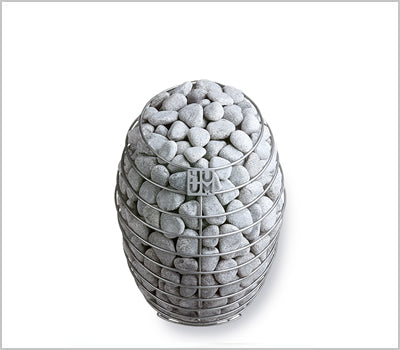
Our outdoor saunas and indoor saunas pair FSC-certified, heat-treated Canadian hemlock with Harvia or Huum heaters that produce excellent steam for respiratory benefit. Throw water on hot stones and breathe deep.
Free shipping on orders over $5,000. HSA/FSA eligible through TrueMed. 0% APR Affirm financing.
Try Our Free Tools
Browse our expert-tested cold plunge collection.