Sauna vs Hot Tub: Which Backyard Upgrade Is Worth It?
You've got the budget for one big backyard upgrade. A sauna or a hot tub. Both sound great on paper - relax after a long day, soak away stress, impress the neighbors. But they're very different products with very different ownership experiences.
After helping thousands of customers make this exact decision, here's the honest breakdown of what each one costs, how they feel, and what you're signing up for when you buy either.
Shop hot tubs at SweatDecks
- Square Body Spray - $129
- Round Body Spray - $129
Affirm financing available. Free curbside shipping on orders over $5,000. See all hot tubs.
Health Benefits: What Each One Does For Your Body
Sauna Health Benefits
Saunas heat your body through hot air (traditional) or infrared light, pushing your core temperature up and triggering a cascade of physiological responses. Here's what the research consistently shows:
- Cardiovascular health: Regular sauna use (4-7 times per week) is associated with a 40% reduction in all-cause mortality, according to a landmark 20-year Finnish study of 2,300+ men. Heart rate increases to 100-150 BPM, mimicking moderate exercise.
- Blood pressure: Consistent sauna bathing lowers systolic and diastolic blood pressure over time. One study showed an average 7-point drop in systolic pressure after 8 weeks of regular use.
- Muscle recovery: Heat increases blood flow to muscles, speeds waste removal, and reduces delayed onset muscle soreness (DOMS). Professional athletes use saunas religiously for this reason.
- Mental health: Sauna sessions trigger endorphin release. Regular users report better sleep, reduced anxiety, and improved mood. Some emerging research links sauna use to reduced rates of depression.
- Immune function: Regular heat exposure increases white blood cell production and can reduce the frequency of common colds by up to 30%.
Hot Tub Health Benefits
Hot tubs work through warm water immersion, typically at 100-104F. The combination of heat, buoyancy, and jet massage provides its own set of benefits:
- Joint relief: The buoyancy of water takes pressure off joints, making hot tubs excellent for people with arthritis, fibromyalgia, or chronic joint pain. The warm water increases flexibility and range of motion.
- Muscle relaxation: Hydro-massage jets target specific muscle groups. The combination of heat and water pressure is hard to replicate any other way.
- Sleep improvement: A hot tub session 60-90 minutes before bed raises and then drops your core body temperature, which signals your body it's time to sleep. Studies show this can reduce time to fall asleep by up to 36%.
- Stress reduction: Warm water immersion lowers cortisol levels. The relaxation effect is immediate and noticeable.
The Verdict on Health
If you're optimizing purely for health outcomes, saunas have the stronger research behind them - particularly for cardiovascular health and longevity. The Finnish studies are hard to argue with. Hot tubs are better for joint-specific issues and targeted muscle relief through hydrotherapy. Both are legitimately good for you.
Maintenance: The Honest Truth
This is where a lot of people get surprised, and it's the single biggest factor that separates these two products in daily ownership.
Sauna Maintenance
A sauna is shockingly low maintenance. Here's your entire to-do list:
- Wipe down the benches occasionally
- Sweep or vacuum the floor
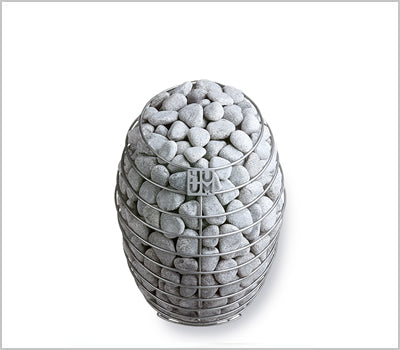
- Check the heater stones once or twice a year - replace any that have crumbled
- Sand the benches lightly once a year if they get rough
That's it. No chemicals. No water testing. No pumps to maintain. No filters to clean. A well-built sauna with heat-treated wood can go years with virtually zero maintenance. Total annual maintenance cost: maybe $50-100 for replacement stones and sandpaper.
Hot Tub Maintenance
Hot tubs are a commitment. You're maintaining a small pool of warm, standing water - which is basically a petri dish if you're not on top of it. Weekly tasks include:
- Test and balance pH levels (2-3 times per week)
- Add chlorine, bromine, or other sanitizers
- Clean the filter (every 1-2 weeks)
- Check and adjust alkalinity
- Shock the water weekly
- Replace filters every 12-18 months ($30-80 each)
- Drain and refill completely every 3-4 months
- Winterize if you're in a cold climate and not using it year-round
Annual chemical and maintenance costs for a hot tub run $300-600, not counting repairs. And repairs will happen - pumps fail, heaters corrode, jets clog, covers deteriorate. The average hot tub owner spends $200-500 per year on repairs after the warranty period.
Sauna vs Hot Tub: Full Cost Comparison
| Cost Category | Sauna | Hot Tub |
|---|---|---|
| Purchase Price | $3,000-$12,000 | $3,000-$15,000 |
| Installation | $500-$2,000 (electrical) | $500-$3,000 (pad + electrical + plumbing) |
| Monthly Energy | $15-$50 | $40-$100+ |
| Annual Maintenance | $50-$100 | $500-$1,100 |
| Lifespan | 15-25+ years | 7-15 years |
| 5-Year Total Cost | $5,000-$16,000 | $8,500-$25,000+ |
Energy Use: Not Even Close
A sauna heater draws 6-8 kW, but only while you're using it. Preheat for 30-45 minutes, use it for 20-30 minutes, turn it off. Total run time: about an hour. At $0.16/kWh, that's roughly $1-1.30 per session.
A hot tub runs 24/7 to maintain temperature. Even with a good insulated cover, keeping 300-500 gallons of water at 102F costs $40-100 per month depending on your climate, electricity rates, and how well the tub is insulated. In cold climates, winter energy costs can spike to $150+ per month.
Over 5 years of regular use, a sauna will cost you roughly $1,500-3,000 in electricity. A hot tub will run $2,400-6,000. That difference alone pays for a nice set of sauna accessories.
Year-Round Use
Saunas work perfectly in every season. In fact, the experience gets better in winter. Stepping out of a 180F sauna into cold air or a snow bank is the ultimate contrast therapy - and it's addictive once you try it. No winterizing, no worrying about frozen pipes, no seasonal shutdowns.
Hot tubs work year-round too, and there's something magical about sitting in hot water while snow falls around you. But if you live somewhere that hits below zero regularly, the energy costs jump significantly, and you need to be vigilant about keeping the water warm enough to prevent equipment damage.
Property Value Impact
Both saunas and hot tubs can increase your property value, but the perception differs. A well-built outdoor sauna is increasingly seen as a premium amenity - especially barrel and cabin saunas that look great in a backyard. Real estate agents in northern states report that saunas are becoming a serious selling point.
Hot tubs are more of a mixed bag. Some buyers see them as a plus. Others see maintenance liability. An older hot tub can actually be a negative - buyers worry about hidden pump issues, cracked shells, and chemical buildup. A well-maintained hot tub adds value; a neglected one can hurt it.
The Social Factor
Both are great for entertaining, but in different ways. Hot tubs naturally lend themselves to casual socializing - throw in some drinks, turn on the jets, hang out for an hour. The barrier to entry is low. Everyone knows how to sit in warm water.
Saunas have a different social energy. There's the ritual of it - the heat, the steam, the cooling off between rounds. Conversations tend to be deeper (maybe it's the heat stripping away pretense). And the cold plunge + sauna combo is becoming a serious social activity in wellness-focused communities.
So Which One Should You Get?
Get a sauna if you:
- Want the strongest health benefits backed by research
- Hate ongoing maintenance
- Want lower operating costs over time
- Love the idea of heat + cold contrast therapy
- Plan to use it for 15+ years
Get a hot tub if you:
- Need joint-specific hydrotherapy relief
- Want something the whole family will jump into casually
- Enjoy the water relaxation experience specifically
- Don't mind the weekly chemical routine
Get both if you:
Want the ultimate backyard wellness setup. Sauna session followed by a hot tub soak is a world-class recovery protocol, and it's more achievable than most people think.
SweatDecks Has You Covered Either Way
We sell both saunas and hot tubs because we believe in giving people options. Our outdoor sauna collection features barrel and cabin styles built with FSC-certified, heat-treated Canadian hemlock. Our hot tub collection includes models that pair perfectly with a backyard sauna setup.
Free shipping on orders over $5,000, and every product is HSA/FSA eligible through TrueMed. Build the backyard you've been imagining.
Try Our Free Tools
Browse our expert-tested cold plunge collection.