Cheap vs Expensive Sauna: What Does the Price Difference Get You?
Saunas range from around $1,500 to well over $10,000. That's a huge spread, and it's natural to wonder what you're actually getting when you spend more. Is a $5,000 sauna really that much better than a $2,500 one? Or are you just paying for a brand name?
Quick Answers
What do saunas cost?
Saunas range from around $1,500 to over $10,000. Budget models ($1,500-$4,000) use untreated wood and generic heaters, while premium models ($4,000-$10,000+) use heat-treated thermowood and brand-name heaters like Harvia or Huum, with a longer lifespan and better warranty coverage.
Why are saunas so expensive?
Higher prices reflect heat-treated (thermowood) construction, thicker staves (1.5-2 inches vs 1-1.25 inches), brand-name heaters, proper insulation, and stainless steel hardware. These upgrades mean a premium sauna can last 15-20+ years versus 5-10 years for a budget model, often costing less per year of use.
Is a more expensive sauna worth it long-term?
Often yes. A $3,000 sauna lasting 8 years costs about $375/year, while a $6,000 sauna lasting 20 years costs about $300/year. Premium saunas also require less maintenance over time, since thermowood resists mold and moisture better than untreated wood.
When does a budget sauna make sense?
A budget sauna is reasonable if you're unsure sauna use will become a routine, or if you're in a temporary living situation like a rental or a house you plan to sell soon. You can always upgrade to a premium model later once you know you'll use it regularly.
The short answer: the differences are real, they matter, and they show up over time. Here's what separates budget saunas from premium ones.
Shop all saunas at SweatDecks
- FD-1 Full-Spectrum Infrared Sauna - $4,695
- FD-3 Full Spectrum Infrared Sauna - $6,495
Affirm financing available. Free curbside shipping on orders over $5,000. See all all saunas.
Saunas Under $4,000: What You Get
Budget saunas in the $1,500-$4,000 range are plentiful. Amazon, Costco, Wayfair, and dozens of direct-to-consumer brands sell them. At this price point, here's what's typical:
- Wood quality: Usually untreated hemlock, spruce, or pine. Not thermowood, not heat-treated. The wood works initially but degrades faster in the sauna environment.
- Heater: Generic or house-brand heaters with modest stone capacity. They heat the room, but steam quality and temperature consistency are basic.
- Construction: Thinner wood staves (often 1-1.25 inches), lighter hardware, and simpler joinery. Gaps can develop faster as the wood moves with temperature changes.
- Insulation: Minimal or none on barrel models. Cabin models may have thin insulation that's adequate for mild climates but insufficient in cold weather.
- Lifespan: 5-10 years with regular use before significant wood degradation, mold issues, or structural problems.
- Warranty: Typically 1-2 years, often with significant exclusions for wood issues.
Budget saunas aren't bad. They work. You'll get hot, you'll sweat, and the health benefits are the same at any price point. But they won't look or perform the same way in year five as they did on day one.
Saunas Over $4,000: What You Get
Premium saunas in the $4,000-$10,000+ range typically include:
- Wood quality: Heat-treated (thermowood) hemlock, spruce, or cedar. Dramatically better moisture resistance, mold resistance, and dimensional stability. The wood's performance doesn't degrade over time.
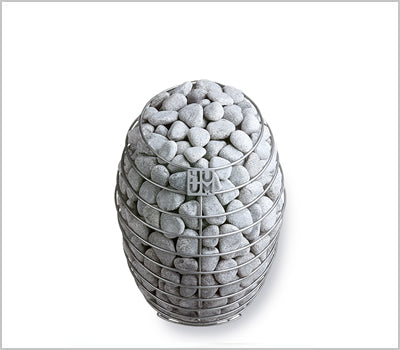
- Heater: Brand-name heaters from Harvia, Huum, or equivalent. More stone capacity, better steam quality, more precise controls, and proven reliability.
- Construction: Thicker staves (1.5-2 inches), heavier-duty hardware, tighter joinery, and better engineering. The structure holds together better through years of heating and cooling cycles.
- Insulation: Proper insulation appropriate for the sauna type. This reduces heat-up time and energy costs while making the sauna usable in colder weather.
- Lifespan: 15-20+ years with regular use. Thermowood construction and quality hardware mean the sauna ages gracefully rather than falling apart.
- Warranty: Typically 3-5 years with more comprehensive coverage.
Budget vs Premium Sauna: Full Comparison
| Feature | Under $4,000 | Over $4,000 |
|---|---|---|
| Wood Treatment | Raw/untreated | Heat-treated (thermowood) |
| Stave Thickness | 1 - 1.25 inches | 1.5 - 2 inches |
| Heater Brand | Generic/house brand | Harvia, Huum, or equivalent |
| Steam Quality | Basic | Good to excellent |
| Expected Lifespan | 5-10 years | 15-20+ years |
| Mold Resistance | Low to moderate | Excellent |
| Warranty | 1-2 years | 3-5 years |
| Hardware Quality | Standard steel (can rust) | Stainless steel |
| Glass (door/windows) | Single-pane or basic | Double-pane tempered |
| Cost Per Year of Use | $300-$500/year (shorter life) | $250-$400/year (longer life) |
The Cost-Per-Year Calculation
Here's the math that changes people's minds about sauna pricing.
A $3,000 sauna that lasts 8 years costs $375/year. A $6,000 sauna that lasts 20 years costs $300/year. The more expensive sauna actually costs less per year of use, and you spend those 20 years using a better product.
This doesn't even account for the maintenance difference. Budget saunas need more frequent treatment, more mold management, and eventually replacement parts or full wood replacement. Premium saunas need basic cleaning and occasional exterior treatment. The time and money you save on maintenance adds to the long-term value.
When Budget Makes Sense
A budget sauna is a reasonable choice if you're genuinely unsure whether sauna use will become part of your routine. It's better to spend $2,500 testing the habit than to spend $6,000 on something that collects cobwebs. You can always upgrade later if you fall in love with the practice.
Budget saunas also make sense for temporary situations - a rental property, a house you plan to sell soon, or a transitional living arrangement where you'll move within a few years.
The Verdict
If you know you want a sauna and plan to use it for years, spend more upfront. The wood quality, heater quality, and construction quality in the $4,000-$7,000 range deliver a meaningfully better experience and better long-term value than budget options. You'll enjoy using it more, maintain it less, and keep it longer.
If you're testing the waters, a budget sauna gets you started. Just go in with realistic expectations about how long it'll last and what the experience will be compared to premium builds.
SweatDecks focuses on the premium end because we believe it's the best value over time. Browse our outdoor sauna collection or our barrel saunas to see what quality construction looks like. Every model includes thermowood construction, brand-name heaters, and free shipping over $5,000.
Frequently Asked Questions
Are HSA/FSA funds usable on saunas?
Yes, through qualified programs. SweatDecks saunas are HSA/FSA eligible through TrueMed, which means you can use pre-tax health savings to pay for your sauna. This effectively reduces the cost by 25-40% depending on your tax bracket, making a $5,000 sauna cost closer to $3,000-$3,750 in after-tax dollars. That's a significant savings that can bring premium saunas within budget range.
Can I upgrade a cheap sauna with a better heater?
Yes, swapping the heater is one of the most impactful upgrades you can make to a budget sauna. Replacing a generic heater with a Harvia or Huum unit improves heat quality, steam production, and reliability. The cost is $400-$1,500 depending on the heater, plus electrician fees. However, this doesn't fix the underlying wood quality issues in a budget build.
What's the single biggest quality difference between cheap and expensive saunas?
The wood treatment. Heat-treated (thermowood) construction versus raw/untreated wood is the single biggest factor in how long a sauna lasts and how well it performs over time. Everything else - heater quality, hardware, insulation - matters too, but the wood is the foundation. If you can only upgrade one thing, make sure the wood is heat-treated.
Do expensive saunas heat up faster than cheap ones?
Generally yes, but not because of price alone. Premium saunas tend to have better insulation, thicker walls, tighter construction (fewer air gaps), and more powerful heaters - all of which contribute to faster heat-up times. A well-insulated premium sauna might reach temperature in 25-35 minutes while a basic budget model takes 40-50 minutes for the same interior size.
Try Our Free Tools
Browse our expert-tested cold plunge collection.