New Sauna Smell on First Use: What Is Normal?
You fire up your brand-new sauna for the first time, expecting that beautiful cedar aroma, and instead you get... something else. Maybe a sharp, slightly chemical tang. Maybe a burning smell. Maybe something you cannot quite identify but definitely was not in the brochure photos.
Relax. Almost every new sauna produces unusual smells during the first few heating sessions. Most of them are completely normal and disappear on their own. Here is what you are smelling and when to actually be concerned.
```htmlQuick answers
What does a sauna smell like?
A sauna primarily smells like the wood it is built from. Cedar gives a rich, woodsy aroma, hemlock smells mild and clean, spruce is bright and slightly sweet, and aspen is nearly neutral. When you add water to the stones, the steam activates the wood's natural oils and strengthens the scent throughout the room.
Why does my sauna smell strange or chemical on first use?
New saunas almost always produce unusual smells during the first few heating sessions. Electric heater elements arrive from the factory with a thin protective coating that burns off when first heated, creating a metallic or burning-dust odor that disappears after one or two sessions. New sauna stones release trapped dust and gas as they expand, and woods like spruce or pine release sap from knots, which smells sweet but fades over the first five to fifteen sessions. A persistent chemical smell after three or more full sessions is worth investigating for leftover plastic packaging, non-rated light fixtures, or incorrectly applied caulk inside the hot room.
Shop all saunas at SweatDecks
- FD-1 Full-Spectrum Infrared Sauna - $4,695
- FD-3 Full Spectrum Infrared Sauna - $6,495
Affirm financing available. Free curbside shipping on orders over $5,000. See all all saunas.
The Normal Smells of a New Sauna
Wood Aroma (The Good Stuff)
This is the dominant smell and the one you wanted. Fresh sauna wood releases volatile oils when heated for the first time, and the aroma is more intense than it will ever be again. Cedar smells rich and woodsy. Hemlock has a mild, clean scent. Spruce is bright and slightly sweet. Aspen is almost neutral.
The wood aroma is strongest during the first few sessions and gradually mellows over weeks of use. It never goes away entirely - especially with cedar - but it softens into a warm, seasoned scent that is one of the best things about owning a sauna.
Heater Element Burn-Off
Electric heater elements come from the factory with a thin protective coating. When heated for the first time, this coating burns off and produces a noticeable smell - slightly metallic or like burning dust. You may also see a thin haze or light smoke rising from the heater.
This is completely normal and harmless, but you do not want to breathe it in concentrated amounts. This is why the first heat should be done with the sauna empty, the door cracked slightly, and all vents fully open. The smell disappears after one or two heating sessions.
Stone Dust
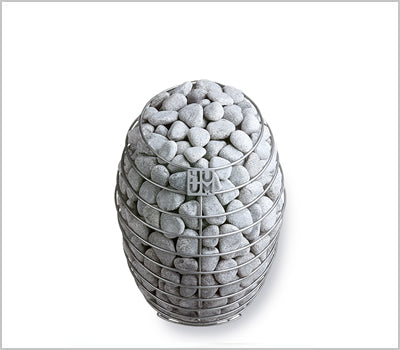
New sauna stones produce a minerally, dusty smell when heated for the first time. The stones release trapped dust and gas from within the rock as they expand. You might hear occasional pops and crackles as well. This settles down after a few heating cycles.
Rinsing the stones with water before loading them into the heater reduces the initial dust smell. Some manufacturers recommend this; check your heater instructions.
Sap and Resin
If your sauna is spruce, pine, or a wood with visible knots, you may smell a sweet, sticky scent as sap melts out of the wood. Small golden beads of resin may appear on the surface near knots. The smell is actually pleasant - like a forest in summer sun - and diminishes as the sap is driven out over repeated sessions.
Cedar produces very little sap. Barrel saunas and outdoor saunas made from premium cedar will be mostly sap-free from the start.
Smells That Need Attention
While most new sauna smells are benign, a few indicate something that should be addressed:
Persistent Chemical or Plastic Smell
A sharp chemical smell during the first heat is often just the heater coating burning off. But if it persists after two or three full heating sessions, something else is going on. Check for:
- Plastic packaging, tape, or stickers left on components inside the sauna
- Insulation or vapor barrier material exposed to the hot room (these should be behind the wood paneling, never touching the heated interior)
- A non-sauna-rated light fixture with plastic components that is melting or off-gassing
- Silicone sealant or caulk used in the wrong places - only high-temperature silicone should be used inside a sauna
If you identify and remove the source, the smell should clear within one or two more sessions. If you cannot find the source, contact the manufacturer.
Electrical or Burning Wire Smell
A distinct burning wire or electrical smell is not normal and requires immediate action. Turn off the heater, shut off the breaker, and do not use the sauna until an electrician inspects the wiring and connections. This could indicate a loose connection, incorrect wire gauge, or a wiring fault that is a fire hazard.
Musty or Mold Smell
A musty, damp smell suggests moisture is trapped somewhere it should not be. This could mean the wood was stored improperly before or during shipping, the sauna was assembled on a wet day without proper drying, or there is a moisture issue with the foundation. Heat the sauna with vents open to dry things out. If the smell persists, inspect behind panels for mold growth.
How Long Do the New Smells Last?
Here is a general timeline:
- Heater burn-off smell: 1-2 sessions (gone by session 3)
- Stone dust smell: 2-3 sessions
- Maximum wood aroma: First 5-10 sessions (strongest experience you will have)
- Sap release: First 5-15 sessions (depending on wood species and number of knots)
- Settled, seasoned aroma: After about a month of regular use, the sauna develops its permanent scent profile
Tips for Getting Through the Break-In Smell
- Run the first 2-3 sessions empty with all vents open to burn off manufacturing residues before you use the sauna
- Ventilate well during and after the first several sessions - open the door for 5-10 minutes after each session to flush the air
- Do not use any products to mask or cover up new smells (air fresheners, essential oils, sprays). Let the natural wood and heat do their work first. You can add essential oils to the water bucket later once the sauna has broken in.
- Wipe down the benches and walls with a damp cloth after the first few sessions. This removes any surface dust and residue that accumulated during manufacturing and shipping.
Enjoying the Aroma Long-Term
Once the break-in period is over, the sauna's natural wood aroma is one of its best features. To keep it strong over the years:
- Lightly sand the bench surface once a year with fine sandpaper (220 grit) to expose fresh wood and refresh the scent
- Pour water on the stones - the steam activates aromatics in the wood throughout the sauna
- Keep the sauna clean and dry between sessions so the wood does not develop off-odors from trapped moisture
Bottom Line
New sauna smells are almost entirely normal and temporary. The heater coating burns off in a couple of sessions. Stone dust settles in three. Wood aroma peaks in the first week and mellows into something wonderful. Run a few empty sessions first, ventilate well, and let the natural break-in process happen. Within a month, you will have a sauna that smells exactly like a sauna should.
Explore our outdoor saunas and indoor saunas built with premium wood for the best natural aroma.
Try Our Free Tools
Browse our expert-tested cold plunge collection.