Types of Sauna Rocks: Which Stones Belong in Your Heater?
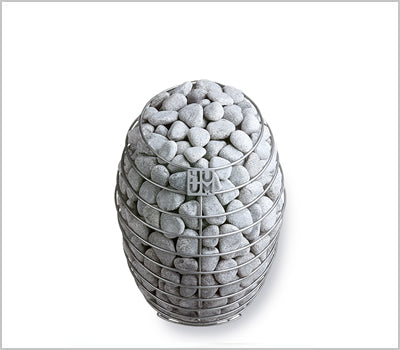
The rocks sitting on top of your sauna heater aren't just decoration. They're the thermal battery of your entire sauna experience. They absorb heat from the elements, store it, and release it slowly back into the room. When you throw water on them, they produce that perfect burst of steam (loyly) that defines Finnish sauna culture.
Not all rocks work well in a sauna heater. You need stones that can handle extreme temperature swings without cracking or crumbling. Here are the types you'll actually encounter.
Shop all heaters at SweatDecks
- Pipe Adapter Wood-Burning Sauna Heater - PIPE ADAPTOR - $169
- Kuru Safety Wall Set - KURU SAFETY WALL SET - $518
Affirm financing available. Free curbside shipping on orders over $5,000. See all all heaters.
Olivine
Olivine is the gold standard for many sauna enthusiasts. It's a dense, dark green mineral that handles thermal shock extremely well. It heats up evenly, holds temperature for a long time, and produces excellent steam. Olivine doesn't contain sulfides or other minerals that release unpleasant odors when heated. It's also naturally resistant to cracking from repeated water-pouring cycles.
Peridotite
Peridotite is closely related to olivine (it's actually a rock composed largely of olivine minerals). You'll often see it sold interchangeably with olivine. It shares the same excellent thermal properties - high heat capacity, low thermal expansion, and good resistance to crumbling. Many Finnish-made sauna heaters ship with peridotite stones.
Vulcanite (Diabase)
Vulcanite is a volcanic rock that's popular in Scandinavian saunas. It's dense, dark-colored, and handles heat cycling well. It tends to be more affordable than olivine while still performing reliably. The main trade-off is that vulcanite may not last quite as long before needing replacement.
Granite
Granite works in a pinch but isn't ideal. It can hold heat decently, but it's more prone to cracking from thermal shock over time. If you use granite, inspect your stones regularly for fractures.
What to Avoid
Never use river rocks, limestone, sandstone, or any porous rock in your heater. These can absorb water, expand when heated, and literally explode. Rocks containing quartz or sulfide minerals can also release harmful fumes.
Maintenance
Regardless of type, sauna rocks don't last forever. Plan to inspect them every 6 to 12 months and replace them every 1 to 3 years depending on use. Rocks that have crumbled or developed deep cracks restrict airflow around your heating elements and reduce performance.
Related Terms
- BTU Ratings for Sauna Heaters
- Kilowatt Ratings for Heaters
- Harvia Sauna Heaters
- Huum Sauna Heaters
- Optimal Sauna Temperatures
Find Your Sauna Setup
Quality rocks are just one piece of the puzzle. Browse our outdoor saunas and indoor saunas to find a heater-and-cabin package that comes ready to go. Many of our sauna packages include premium stones right out of the box.
How to Use This Guide
Use this guide as a practical starting point, then confirm product specifications, installation requirements, electrical needs, water care steps, and medical considerations with the appropriate professional before making a final decision.
Where SweatDecks Can Help
SweatDecks helps shoppers compare saunas, cold plunges, heaters, accessories, delivery requirements, and setup considerations so the finished wellness space is easier to buy, install, and maintain.
Practical Buying Context
When comparing sauna, cold plunge, heater, steam, or accessory options, review the product specifications, installation manual, warranty terms, delivery requirements, maintenance routine, and compatibility details before choosing a model. The right answer often depends on available space, power, plumbing, climate, budget, and who will use the setup.
When to Get Professional Help
Use qualified professionals for electrical work, plumbing, structural support, ventilation, medical questions, and local code requirements. SweatDecks can help with product research and planning questions, but final installation and safety decisions should match the manufacturer instructions and applicable local requirements.
Decision Checklist
Before acting on this topic, compare the relevant product specifications, space requirements, care routine, warranty terms, replacement parts, and installation constraints. For health, electrical, plumbing, structural, or code questions, confirm details with the appropriate qualified professional.
Related SweatDecks Research Paths
Most sauna and cold plunge decisions connect to a few core questions: how much space you have, how often the setup will be used, what maintenance feels realistic, and whether the product fits your budget, climate, delivery path, and long-term wellness routine.
What to Verify Before You Decide
Use this article as a starting point, then check current product specifications, manufacturer instructions, delivery requirements, warranty terms, and maintenance expectations. Sauna and cold plunge projects can involve heat, water, electricity, ventilation, structural support, and personal health considerations, so the best next step is often to confirm details with the appropriate qualified professional before purchase or installation.
How This Connects to a Home Wellness Setup
The strongest buying decisions balance comfort, safety, durability, budget, and daily usability. SweatDecks helps shoppers compare sauna, cold plunge, steam, heater, chiller, and accessory options so the finished setup fits the space, routine, and long-term ownership plan.
Browse our expert-tested cold plunge collection.