Are Saunas Loud? What to Expect and How to Reduce Noise
When you picture a sauna, you probably imagine peaceful silence. Maybe the gentle hiss of steam. And for the most part, that's accurate - saunas are generally quiet spaces. But "quiet" doesn't mean completely silent, and some sounds are totally normal while others mean something needs fixing.
Quick Answers
Are saunas loud enough to bother neighbors?
No. A typical electric sauna operates at about 25-35 decibels, which is quieter than a whisper. This is far too quiet to be heard outside the sauna structure, let alone by neighbors. The most common noise concern with outdoor saunas is conversation carrying in the evening, not equipment sounds.
Why does my sauna make cracking sounds?
Wood naturally expands when heated and contracts as it cools, causing creaking and popping sounds similar to a house settling. This is especially common in newer saunas while the wood is still seasoning. Occasional cracking is normal, but loud, sharp cracking could mean wood is splitting and should be inspected.
Is it normal for a sauna heater to hum?
Yes. A low, gentle hum from an electric sauna heater is completely normal and comes from electrical current flowing through the heating elements. You might notice it in a silent room, but it shouldn't be distracting during your session. A loud buzz or vibration that differs from this hum could signal a problem.
How loud is a sauna compared to normal conversation?
A sauna is much quieter. Steady-state heating runs about 25-35 decibels, rising to around 40 decibels during active heating cycles, while a normal conversation is about 60 decibels. That makes a sauna significantly quieter than everyday talking and unlikely to bother anyone nearby.
What sauna sounds mean something is wrong?
Watch for loud buzzing or vibration, persistent rattling, grinding or scraping, loud cracking wood, or electrical arcing sounds like snapping or sizzling unrelated to water on rocks. These can point to loose mounting hardware, a failing vent fan bearing, rocks against heating elements, or an electrical issue needing professional inspection.
Here's a guide to what you should and shouldn't hear from your sauna.
Shop all saunas at SweatDecks
- FD-1 Full-Spectrum Infrared Sauna - $4,695
- FD-3 Full Spectrum Infrared Sauna - $6,495
Affirm financing available. Free curbside shipping on orders over $5,000. See all all saunas.
Normal Sauna Sounds
Every sauna produces some sounds during operation. Here's what's perfectly normal:
Heating element hum: Electric sauna heaters produce a low, gentle hum when they're running. This is the sound of electrical current flowing through the heating elements and is completely normal. The volume is typically very low - you might notice it in a silent room but it shouldn't be distracting during your session.
Clicking from the thermostat: You'll hear periodic clicking sounds as the thermostat cycles the heater on and off to maintain temperature. This click-on, click-off pattern is the heater doing exactly what it's supposed to do. More sophisticated controllers may produce softer or less frequent clicks.
Wood creaking and popping: This catches people off guard, but it's normal. As the sauna heats up, the wood expands. As it cools down, it contracts. This expansion and contraction causes creaking, popping, and sometimes cracking sounds, similar to a house settling. It's especially noticeable in newer saunas where the wood is still seasoning.
Steam hissing: When you pour water on hot rocks, you get a satisfying hiss and sizzle as the water instantly vaporizes. This is probably the most iconic sauna sound and it's entirely expected. The intensity of the hiss depends on rock temperature and how much water you pour.
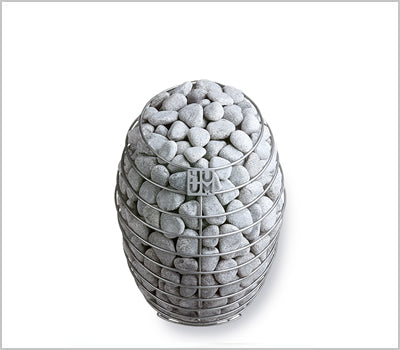
Rocks settling: As rocks heat up and cool down, they expand and contract slightly, sometimes shifting position in the heater. You might hear occasional tinking, clicking, or settling sounds from the rock bed. This is normal and not a concern.
Ventilation airflow: If your sauna has a powered vent fan, you'll hear a gentle air movement sound. Even passive vents can create a slight draft noise. This is the sound of proper air circulation, which is essential for a well-functioning sauna.
How Loud Is a Typical Sauna?
In decibel terms, a well-functioning electric sauna typically operates at about 25-35 decibels during steady-state heating. That's roughly the volume of a whisper or a quiet room. During active heating cycles, it might bump up to 40 decibels, about the level of a quiet library.
For comparison, a normal conversation is about 60 decibels. So a sauna is significantly quieter than a spoken conversation and nowhere near loud enough to be bothersome for neighbors or household members.
Wood-burning saunas have a different sound profile. The fire itself produces gentle crackling sounds, and the chimney draft creates a soft whooshing. Many people find these sounds actually enhance the experience rather than detract from it.
Sounds That Indicate a Problem
While most sauna sounds are normal, some noises warrant investigation:
Loud buzzing or vibration: If your heater produces a loud buzz or vibration that's clearly different from its normal hum, something may be loose or failing. Check that the heater is securely mounted and that no components have come loose. A buzzing sound from the control panel could indicate an electrical issue - have a qualified electrician inspect it.
Persistent rattling: Occasional rattling from rocks settling is normal, but persistent rattling during heating cycles might mean a rock has fallen against a heating element, a loose mounting bracket, or a foreign object in the heater. Turn off the heater and investigate before continuing to use it.
Grinding or scraping: These sounds don't belong in a sauna. They could indicate a failing bearing in a vent fan, structural components rubbing against each other due to thermal expansion, or a heater component that's shifted out of position.
Loud cracking from wood: Occasional pops and creaks are normal, but loud, sharp cracking sounds could mean wood is splitting. This can happen when wood dries out too aggressively (common if the sauna is over-heated on its first few uses) or when structural joints are under stress. Inspect the affected area for visible cracks.
Electrical arcing: A snapping or sizzling sound that isn't from water on rocks could indicate an electrical connection problem. Turn off the heater immediately and have it inspected by a professional. This is a safety issue.
How to Make Your Sauna Quieter
If your sauna is noisier than you'd like, here are some approaches:
Anti-vibration pads: Place rubber or silicone anti-vibration pads under the heater mounting points. This isolates the heater from the wall or floor and prevents vibrations from transferring into the sauna structure, which can amplify them.
Tighten loose hardware: Go through and check all screws, brackets, and mounting hardware. Loose components vibrate and rattle during heating cycles. A periodic tightening (annually is fine) prevents this.
Rearrange rocks: If rocks are producing excessive settling sounds, take them out and rearrange them. Make sure they're stacked loosely with no rocks wedged against heating elements. Proper rock arrangement reduces both noise and improves heating efficiency.
Upgrade the controller: Older mechanical thermostats tend to produce louder clicking sounds than modern digital controllers. If the thermostat click bothers you, upgrading to a newer controller can make the cycling nearly silent.
Insulation helps with sound too: Proper wall and ceiling insulation doesn't just keep heat in - it also dampens sound transmission. If your sauna is in a shared building or close to living spaces, better insulation reduces how much heater noise transfers to the outside.
Noise Considerations for Neighbors
If you're installing an outdoor sauna and you're concerned about noise affecting neighbors, the good news is that saunas are inherently quiet. The main noise concern is usually the social aspect - conversations that might carry in the evening, not the sauna equipment itself.
Electric saunas produce virtually no noise that would be audible beyond a few feet from the structure. Wood-burning saunas may produce more audible sounds (fire crackling, chimney draft) but these are also very low volume.
The more realistic neighbor concern with outdoor saunas is light from the window and the occasional burst of steam when the door opens, not sound.
Browse our outdoor sauna collection for models designed for residential settings where quiet operation matters.
Frequently Asked Questions
Are saunas loud enough to bother neighbors?
No. A typical electric sauna operates at about 25-35 decibels, which is quieter than a whisper. This is far too quiet to be heard outside the sauna structure, let alone by neighbors. The most common noise concern with outdoor saunas is conversation, not equipment sounds.
Why does my sauna make cracking sounds?
Wood naturally expands when heated and contracts when cooling. This thermal movement causes creaking and popping sounds, similar to a house settling. It's especially common in newer saunas as the wood is still seasoning. Occasional cracking is completely normal and not a sign of structural problems.
Is it normal for a sauna heater to hum?
Yes. A low, gentle hum from an electric sauna heater is the normal sound of current flowing through the heating elements. This is quiet (typically 25-35 decibels) and shouldn't be distracting. If the hum suddenly gets louder or changes character, have the heater inspected.
What sounds from a sauna are not normal?
Sounds that warrant investigation include loud buzzing or vibration, persistent rattling, grinding or scraping noises, loud cracking from wood, and any electrical arcing or snapping sounds not caused by water on rocks. Turn off the heater and investigate unusual sounds before continuing use.
Are wood-burning saunas louder than electric saunas?
Wood-burning saunas produce different sounds - gentle fire crackling and chimney draft - but aren't necessarily louder overall. Many people find the natural fire sounds more pleasant than the electrical hum of an electric heater. Neither type produces enough noise to be a disturbance outside the sauna itself.
Try Our Free Tools
Browse our expert-tested cold plunge collection.