Sauna in a Shed: How to Convert a Shed Into a Sauna
A shed-to-sauna conversion is one of the most popular backyard sauna projects out there, and for good reason. You already have four walls and a roof. The structure is already sitting in your yard. With the right modifications, you can have a working sauna for significantly less than buying a purpose-built unit.
Quick Answers
Can you convert a shed into a sauna?
Yes, as long as it's a wood-framed shed in solid structural condition. You'll need to add foil-faced insulation or mineral wool, a vapor barrier, sauna-grade wood lining like cedar or hemlock, proper intake and exhaust ventilation, and a correctly sized electric heater wired to a dedicated 240V circuit.
Can you use a metal shed for a sauna?
No. Metal sheds get dangerously hot on the exterior and are nearly impossible to insulate properly, creating a burn hazard. Plastic sheds will warp or melt under sauna heat. Only wood or wood-framed sheds are suitable candidates for a sauna conversion.
What insulation should you use in a shed sauna conversion?
Use foil-faced insulation or mineral wool batts in the walls, ceiling, and floor, not fiberglass. The foil facing reflects radiant heat back into the space, helping it heat faster and hold temperature. Cover it with a foil vapor barrier before installing interior wood to stop moisture from rotting the framing.
What size heater does a shed sauna need?
Size it to your shed's interior cubic footage using the heater manufacturer's spec sheet. A typical 5x7x7 shed conversion calls for a 6-8 kW electric heater. Electric heaters are the most practical option since they're easy to control and don't need a chimney like wood-burning stoves do.
Do you need a permit to convert a shed into a sauna?
It depends on your municipality, but electrical work for a 240V heater almost always requires a permit and inspection. Some areas also enforce setback requirements for heated structures. Call your local building department before starting to confirm what's needed.
But there is a difference between a shed that gets hot and a properly functioning sauna. Here is what separates the two.
Shop all saunas at SweatDecks
- FD-1 Full-Spectrum Infrared Sauna - $4,695
- FD-3 Full Spectrum Infrared Sauna - $6,495
Affirm financing available. Free curbside shipping on orders over $5,000. See all all saunas.
Not Every Shed Is a Good Candidate
The ideal shed for a sauna conversion has these qualities:
- Solid wood or wood-framed construction - Metal sheds get dangerously hot on the exterior and are nearly impossible to insulate properly. Plastic sheds will warp or melt. Stick with wood.
- Structurally sound - No rotten framing, no sagging roof, no foundation issues. The shed needs to be in good shape because you are about to subject it to extreme heat and humidity cycles.
- Large enough - Minimum interior dimensions of about 5x6 feet for a two-person sauna. Smaller than that and you will not have room for benches and a heater with safe clearances.
- Close enough to power - You need to run electricity to the shed. If it is 200 feet from your panel, the wiring costs alone might make you reconsider.
Insulation Is the Most Important Step
A regular shed has no insulation. Without it, your heater will run constantly trying to reach sauna temperatures and never quite get there. Proper insulation is what makes the conversion actually work.
Use foil-faced insulation or mineral wool batts (not fiberglass) in the walls, ceiling, and floor if possible. The foil facing reflects radiant heat back into the sauna, which makes a noticeable difference in how quickly the space heats up and how well it holds temperature.
Cover the insulation with a foil vapor barrier, then finish the interior with sauna-grade wood like cedar, hemlock, or aspen. Do not skip the vapor barrier. Without it, moisture will soak through the insulation and rot your shed from the inside out.
Interior Finishing
Line the interior walls and ceiling with tongue-and-groove sauna wood. Cedar is the classic choice because it handles moisture well and smells great. Hemlock and aspen are good alternatives if you want a lighter look or milder scent.
Build benches at two levels if your ceiling height allows it. The upper bench should be roughly level with the top of the heater for the hottest experience. Standard bench depth is 20-24 inches, wide enough to sit or lie down comfortably.
Check out our outdoor saunas for design inspiration, or browse sauna heaters to find the right unit for your shed's square footage.
Ventilation Design
This is where a lot of shed conversions go wrong. A sauna needs fresh air intake and stale air exhaust to function properly. Without ventilation, the air inside becomes stale, oxygen-depleted, and uncomfortable within minutes.
The standard setup is a lower vent near the heater (about 6 inches off the floor) for fresh air intake, and an upper vent on the opposite wall (near the ceiling or just below the top bench level) for exhaust. Both vents should have adjustable dampers so you can control airflow.
Heater Selection
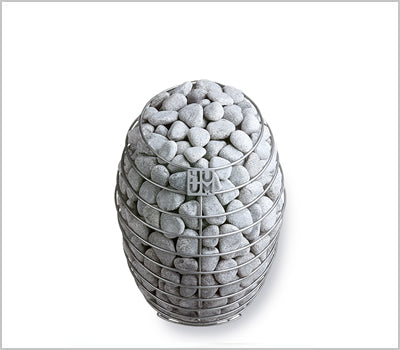
Size your heater based on your shed's interior cubic footage. Most heater manufacturers list the recommended room size right on the spec sheet. For a typical 5x7x7 shed conversion, you are looking at a 6-8 kW electric heater.
Electric heaters are the most practical choice for shed conversions. They are clean, easy to control, and do not require a chimney. Wood-burning stoves are an option if you want that traditional experience, but they need a proper chimney and additional fire clearances that eat into your already limited space.
Electrical Requirements
A 240V sauna heater needs a dedicated circuit run from your main electrical panel to the shed. This is not a job for an extension cord or a shared circuit. Hire a licensed electrician to:
- Run the appropriate gauge wire from the panel to the shed
- Install a disconnect switch within sight of the sauna
- Wire the heater according to manufacturer specifications
- Ensure everything meets local electrical code
What About Permits?
Converting a shed to a sauna may require a permit depending on your municipality. Electrical work almost always requires a permit and inspection. Some areas also have setback requirements for heated structures, meaning your shed may need to be a certain distance from property lines and other buildings.
Call your local building department before you start. It is a quick phone call that can save you from expensive headaches down the road.
Bottom Line
A shed-to-sauna conversion is a legitimate project that can give you a fully functional sauna at a fraction of the cost of a new build. The keys are proper insulation, a good vapor barrier, adequate ventilation, and a correctly sized heater on a dedicated electrical circuit. Get those right and your backyard shed becomes a real sauna.
If the conversion process sounds like more than you want to take on, consider a purpose-built unit instead. Our outdoor saunas arrive ready to assemble and skip all the guesswork.
Try Our Free Tools
Browse our expert-tested cold plunge collection.