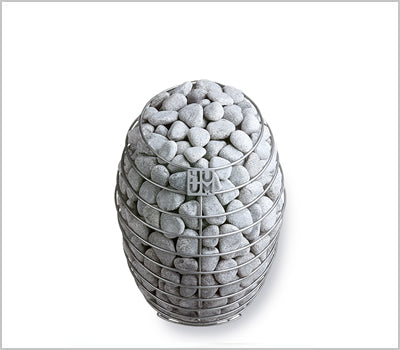
Sauna Fire Safety: Preventing Fires and Staying Protected
Saunas combine high heat, wood, and electrical or combustion heating in a small enclosed space. Fire risk comes with the territory. According to estimates from fire safety organizations, hundreds of sauna-related fires happen every year in the United States alone. Most are preventable with basic precautions.
Whether you're building a new sauna or have been using one for years, here's what you need to know about keeping it safe.

Shop all saunas at SweatDecks
- FD-1 Full-Spectrum Infrared Sauna - $4,695
- FD-3 Full Spectrum Infrared Sauna - $6,495
Affirm financing available. Free curbside shipping on orders over $5,000. See all all saunas.
Common Causes of Sauna Fires
Items Left on or Near the Heater
This is the number one cause of sauna fires. Towels, clothing, magazines, water bottles, or anything combustible placed on or too close to the sauna heater can ignite. It sounds like common sense, but it happens constantly - someone drapes a towel over the heater guard to dry it, forgets about it, and leaves.
Faulty Electrical Wiring
Sauna heaters draw significant power, typically 20-60 amps on a dedicated circuit. Wiring that's undersized, improperly connected, or deteriorating from heat exposure can overheat and start a fire. This is especially common in DIY installations where someone didn't hire a licensed electrician.
Heater Malfunction
Heating elements can degrade over time. A failing element might arc or overheat beyond its design limits. Faulty thermostats or timers that don't shut off the heater when they should are another risk. Regular inspection catches these issues before they become dangerous.
Wood-Burning Heater Issues
For wood-fired saunas, chimney fires from creosote buildup, embers escaping through cracks in the firebox, and improper clearances between the heater and combustible walls are the main concerns.
Leaving the Sauna Unattended While On
Forgetting to turn off the heater is more common than you'd think. A sauna heater running for hours while nobody is around increases the risk of overheating, equipment failure, and ignition of nearby materials.

Prevention: Clearances and Installation
Every sauna heater comes with manufacturer-specified clearances - the minimum distance between the heater and combustible surfaces. These are not suggestions. Typical clearances are:
- Sides and back of heater to wall: 4-8 inches minimum depending on the model
- Above the heater to ceiling: 36 inches or more
- Front of heater to nearest bench: Check manufacturer specs, usually 12+ inches
Use a heater guard or railing to prevent accidental contact and to keep items from being placed directly on the heater. If your indoor sauna came with a guard, don't remove it.
Electrical Safety
- Hire a licensed electrician for all sauna heater installations. This isn't a DIY job.
- Use the correct wire gauge specified by the heater manufacturer. Undersized wiring overheats.
- Install a dedicated circuit with the proper breaker size. Never share a circuit with other appliances.
- Use high-temperature wiring inside the sauna room. Standard household wiring isn't rated for the heat.
- Install a timer that automatically shuts off the heater after a set period (usually 1 hour max). Most modern heaters have this built in.
Fire Prevention Habits
- Never place anything on or against the heater. No towels, no clothing, no anything. Ever.
- Check heater elements visually every few months for signs of wear, discoloration, or damage.
- Keep the sauna clean. Dust, lint, and debris accumulate and can ignite near heating elements.
- Don't use your sauna for storage. It's not a closet. Combustible items don't belong in there.
- Check your sauna stones annually. Crumbling stones can fall against heating elements and block airflow around them.
- Turn off the heater when done. Better yet, use a timer so you don't have to remember.
Fire Detection and Suppression
Standard smoke detectors don't work well inside saunas because the heat triggers false alarms. Instead:
- Install a heat-rated smoke detector outside the sauna door or in the adjacent room
- Keep a fire extinguisher accessible near (not inside) the sauna. A multi-purpose ABC extinguisher is appropriate.
- For outdoor saunas, keep the area around the structure clear of dry brush, leaves, and other combustible materials
- Have a clear exit path. The sauna door should swing outward and never be locked from the outside.
What to Do If a Fire Starts
- Get everyone out immediately. Don't try to fight the fire first. People leave, then you assess.
- Close the sauna door. This limits oxygen to the fire and can slow it significantly.
- Cut the power. If it's safe to reach, shut off the breaker for the sauna circuit.
- Use a fire extinguisher if the fire is small and contained and you can do so safely from the doorway.
- Call 911 if the fire isn't immediately controllable with an extinguisher.
- Don't re-enter a burning or smoking sauna for any reason.
The Bottom Line
Sauna fires are preventable. The overwhelming majority happen because someone left something on the heater, skipped professional electrical installation, or let maintenance slide. Follow the clearance requirements, hire an electrician, use a timer, keep combustible items away from the heater, and keep an extinguisher nearby. These basic steps make sauna fires extremely rare.
Try Our Free Tools
Browse our expert-tested cold plunge collection.