How to Clean a Sauna: Simple Steps for a Fresh, Hygienic Space
Cleaning a sauna is straightforward, but there are a few rules. The biggest one: don't treat sauna wood like a kitchen counter. Harsh chemicals, bleach, and abrasive cleaners have no place in a sauna. They can damage the wood, leave residues that off-gas when heated, and ruin the natural aroma that makes a sauna smell like a sauna.
Quick Answers
What should I use to clean sauna wood?
Use warm water and a soft brush for routine cleaning. For deeper stains, mix a mild, fragrance-free soap with warm water, scrub lightly with the grain, and rinse with a damp cloth. Never soak the wood, and avoid bleach, ammonia, or strong chemical cleaners like Pine-Sol or Lysol.
How often should you clean a sauna?
Wipe down benches with a dry towel after each use to absorb sweat, and scrub them weekly with a brush and warm water. Sweep or vacuum the floor regularly, and inspect the heater monthly to brush off debris from the rock compartment. Walls and ceiling rarely need more than an occasional damp wipe.
Can you use vinegar to clean a sauna?
Yes, a mild vinegar solution of 1 part white vinegar to 4 parts water works well for disinfecting without harsh chemicals. A baking soda paste can also help with tough spots. Both are safe for sauna wood when used in moderation and rinsed away afterward.
Why shouldn't you use bleach or harsh cleaners in a sauna?
Harsh chemicals, bleach, and abrasive cleaners can damage raw sauna wood, leave residues that off-gas when heated, and ruin the natural aroma of the wood. Sauna interiors are typically untreated, so sealants and strong cleaners are not appropriate for these surfaces.
How do you remove stubborn stains from sauna benches?
Light sanding with 120 to 150 grit sandpaper removes surface stains and refreshes the wood. Always sand with the grain rather than against it. This method works well for stains that don't come out with soap and water scrubbing.
Shop all saunas at SweatDecks
- FD-1 Full-Spectrum Infrared Sauna - $4,695
- FD-3 Full Spectrum Infrared Sauna - $6,495
Affirm financing available. Free curbside shipping on orders over $5,000. See all all saunas.
The Basics
Sauna wood is typically untreated on the interior. That's intentional - sealants and finishes can release toxic fumes at sauna temperatures. So you're working with raw wood, which means you need gentle cleaning methods.
Bench Cleaning
Benches take the most abuse because they're in direct contact with skin and sweat. Here's the routine:
- After each use: Wipe down with a dry towel to absorb sweat
- Weekly: Scrub with a brush and warm water (no soap needed for routine cleaning)
- For deeper stains: Mix a mild, fragrance-free soap with warm water. Apply with a soft brush, scrub lightly with the grain, and rinse with a damp cloth. Never soak the wood.
- For stubborn stains: Light sanding with 120-150 grit sandpaper removes surface stains and refreshes the wood. Always sand with the grain.
Floor Cleaning
The floor gets dirty from feet, water drips, and general debris. Sweep or vacuum regularly. For mopping, use warm water with a tiny amount of mild soap. If your floor is duckboard (removable wood slats), pull them up periodically and clean underneath.
Concrete or tile floors in saunas can be cleaned more aggressively than wood surfaces.
Walls and Ceiling
Walls and ceiling rarely need cleaning beyond an occasional wipe-down with a damp cloth. If you notice discoloration near the heater, it's usually just natural darkening from heat exposure and is cosmetic, not a hygiene issue.
The Heater
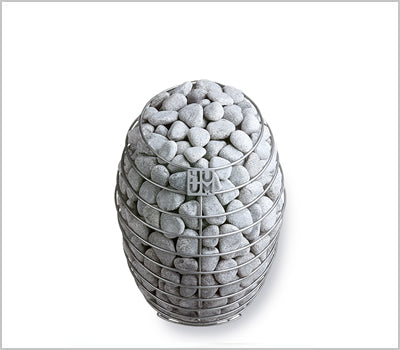
Brush any debris off the heater and out of the rock compartment during your monthly inspection. Never spray water directly on the heating elements when they're cold - that's only for when the heater is hot and you're making steam.
What NOT to Use
- Bleach or chlorine-based cleaners
- Ammonia
- Strong chemical cleaners (Pine-Sol, Lysol, etc.)
- Pressure washers (too aggressive for interior wood)
- Oil-based products on interior surfaces
Natural Cleaning Options
A mild vinegar solution (1 part white vinegar to 4 parts water) works well for disinfecting without chemicals. Some sauna owners use a baking soda paste for tough spots. Both are safe for sauna wood when used in moderation and rinsed away.
Related Terms
Saunas Built to Last
Quality wood makes cleaning easier and lasts longer between refinishing. Browse our outdoor saunas and indoor saunas built with premium cedar and hemlock.
How to Use This Guide
Use this guide as a practical starting point, then confirm product specifications, installation requirements, electrical needs, water care steps, and medical considerations with the appropriate professional before making a final decision.
Where SweatDecks Can Help
SweatDecks helps shoppers compare saunas, cold plunges, heaters, accessories, delivery requirements, and setup considerations so the finished wellness space is easier to buy, install, and maintain.
Practical Buying Context
When comparing sauna, cold plunge, heater, steam, or accessory options, review the product specifications, installation manual, warranty terms, delivery requirements, maintenance routine, and compatibility details before choosing a model. The right answer often depends on available space, power, plumbing, climate, budget, and who will use the setup.
When to Get Professional Help
Use qualified professionals for electrical work, plumbing, structural support, ventilation, medical questions, and local code requirements. SweatDecks can help with product research and planning questions, but final installation and safety decisions should match the manufacturer instructions and applicable local requirements.
Decision Checklist
Before acting on this topic, compare the relevant product specifications, space requirements, care routine, warranty terms, replacement parts, and installation constraints. For health, electrical, plumbing, structural, or code questions, confirm details with the appropriate qualified professional.
Related SweatDecks Research Paths
Most sauna and cold plunge decisions connect to a few core questions: how much space you have, how often the setup will be used, what maintenance feels realistic, and whether the product fits your budget, climate, delivery path, and long-term wellness routine.
What to Verify Before You Decide
Use this article as a starting point, then check current product specifications, manufacturer instructions, delivery requirements, warranty terms, and maintenance expectations. Sauna and cold plunge projects can involve heat, water, electricity, ventilation, structural support, and personal health considerations, so the best next step is often to confirm details with the appropriate qualified professional before purchase or installation.
How This Connects to a Home Wellness Setup
The strongest buying decisions balance comfort, safety, durability, budget, and daily usability. SweatDecks helps shoppers compare sauna, cold plunge, steam, heater, chiller, and accessory options so the finished setup fits the space, routine, and long-term ownership plan.
Browse our expert-tested cold plunge collection.