Sauna with COPD: Is It Safe to Use a Sauna?
COPD (chronic obstructive pulmonary disease) affects your ability to breathe, and the idea of sitting in a hot, enclosed room sounds like it could make breathing harder. If you have COPD and are wondering whether sauna use is possible, the answer is more positive than you might expect - with important caveats.
Quick Answers
Can you use a sauna with COPD?
Many people with mild to moderate COPD can use a sauna safely with medical guidance. Start at lower temperatures (130-140°F) for shorter sessions (8-10 minutes), monitor oxygen saturation, and keep a rescue inhaler accessible. Consult your pulmonologist first, and avoid sauna during exacerbations or with severe disease requiring constant oxygen.
Does sauna help with COPD breathing?
Sauna's warm, humid air can temporarily ease breathing through mild bronchodilation and by loosening and thinning mucus for easier clearance. Warm, moist air is often easier to breathe than cold, dry air, which is why COPD symptoms can worsen in winter. Research shows sauna does not worsen respiratory function in mild to moderate COPD patients.
What sauna temperature is safe for COPD?
Start at 130-140°F for 8-10 minutes, which the article notes is enough for mucolytic and bronchodilation benefits without excessive cardiovascular strain. Sitting on the lower bench keeps you in cooler air since temperature rises with height in the sauna. Increase gradually only if you tolerate initial sessions well.
When should COPD patients avoid the sauna?
Avoid sauna with severe COPD and resting oxygen saturation below 88%, during an acute exacerbation or respiratory infection, with unstable heart conditions, or if your pulmonologist advises against it. Increased coughing, excess mucus, or worsening shortness of breath are signs to skip sauna until you return to baseline.
Should you monitor oxygen levels in the sauna?
Yes, the article recommends using a pulse oximeter to check SpO2 before and during your first several sessions. If your oxygen saturation drops below 88%, you should exit the sauna. This monitoring is especially important since sauna raises heart rate to 100-150 bpm, increasing oxygen demand.

Shop all saunas at SweatDecks
- FD-1 Full-Spectrum Infrared Sauna - $4,695
- FD-3 Full Spectrum Infrared Sauna - $6,495
Affirm financing available. Free curbside shipping on orders over $5,000. See all all saunas.
How COPD Affects Breathing
COPD is a group of conditions (primarily emphysema and chronic bronchitis) that obstruct airflow and make breathing difficult. The airways become inflamed and thickened, excess mucus is produced, and the air sacs in the lungs lose their elasticity. Breathing requires more effort, and getting enough oxygen becomes harder, especially during physical exertion or in challenging environments.

What Happens in the Sauna with COPD
Sauna creates several conditions relevant to COPD:
Warm, humid air. The air in a traditional Finnish sauna, especially when water is poured on the rocks, is warm and humid. For many COPD patients, warm, moist air is actually easier to breathe than cold, dry air. This is why COPD symptoms often worsen in winter and improve in humid environments.
Bronchodilation. Heat causes relaxation of bronchial smooth muscle, which can temporarily open airways. This mild bronchodilating effect may make breathing feel easier during the session, similar to the effect of breathing over a bowl of hot steam.
Mucus loosening. The warm, humid air helps thin and loosen thick mucus in the airways, making it easier to clear through coughing. For COPD patients dealing with chronic mucus production, this can provide meaningful relief.
Increased heart rate. Sauna raises heart rate to 100-150 bpm, which increases oxygen demand. For COPD patients whose oxygen delivery is already compromised, this increased demand can be challenging, especially at higher temperatures or longer durations.
What Research Shows
A study published in the Journal of Cardiopulmonary Rehabilitation found that sauna bathing did not worsen respiratory function in COPD patients and may have provided modest improvements in mucus clearance and subjective breathing ease. Finnish epidemiological data also shows no increased respiratory complications among COPD patients who continue moderate sauna use.
However, these studies involved mild to moderate COPD patients using moderate sauna temperatures. Severe COPD (GOLD stage 3-4) with significant oxygen dependency hasn't been well-studied in sauna settings.
Safety Guidelines for COPD Patients
- Talk to your pulmonologist. Get specific guidance based on your COPD severity, oxygen levels, and overall health before starting sauna use.
- Start low and slow. Begin at 130-140°F for 8-10 minutes. This is enough for the mucolytic and bronchodilation benefits without excessive cardiovascular demand.
- Monitor oxygen saturation. If you use a pulse oximeter (and you should), check your SpO2 before and during your first several sessions. If it drops below 88%, exit the sauna.
- Use supplemental oxygen if prescribed. If you're on supplemental oxygen, discuss with your doctor whether to wear it in the sauna. Standard nasal cannulas are generally safe at sauna temperatures, but the specific oxygen delivery setup matters.
- Keep the door cracked. Fresh air circulation helps if you feel short of breath. Having the sauna door slightly open reduces ambient temperature and provides a sense of not being enclosed.
- Use loyly (steam) carefully. A small amount of water on the rocks can help with mucus loosening, but excessive steam can feel suffocating for some COPD patients. Start with minimal water and increase only if comfortable.
- Have your rescue inhaler accessible. Keep your quick-relief bronchodilator immediately outside the sauna door. Don't leave it inside where heat could affect the medication.
- Don't sauna during exacerbations. If your COPD is flaring up - increased coughing, more mucus than usual, worsening shortness of breath - skip the sauna until you're back to baseline.
- Sit on the lower bench. Temperature is cooler lower in the sauna, and breathing effort is less at lower temperatures.
Benefits Beyond Breathing
COPD patients often deal with issues beyond lung function that sauna can help with:
- Muscle wasting. COPD causes systemic inflammation that leads to muscle loss. Sauna's anti-inflammatory effects may help slow this process.
- Anxiety and depression. Living with breathing difficulties is stressful. Sauna's cortisol reduction and endorphin release improve mental health.
- Sleep problems. COPD disrupts sleep. Post-sauna relaxation and melatonin promotion can improve sleep quality.
- Chronic pain. Many COPD patients have musculoskeletal pain from increased breathing effort. Sauna provides natural pain relief.
When to Avoid Sauna
- Severe COPD with resting oxygen saturation below 88%
- During an acute exacerbation or respiratory infection
- Unstable heart conditions (COPD and heart disease often coexist)
- If your pulmonologist advises against it
Choosing the Right Sauna
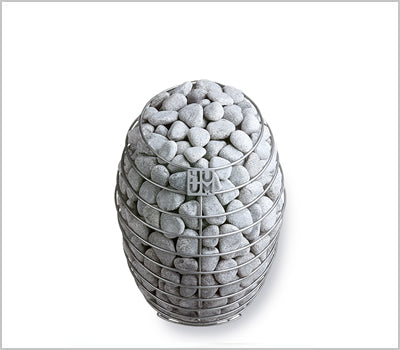
For COPD patients, temperature control is especially important. Our outdoor saunas and indoor saunas feature adjustable Harvia or Huum heaters that let you precisely control the temperature for comfortable, safe sessions. Built from FSC-certified heat-treated Canadian hemlock.
We offer 0% APR financing through Affirm, free shipping over $5,000, and HSA/FSA eligibility through TrueMed.
COPD doesn't automatically rule out sauna. With proper medical guidance and a cautious approach, many COPD patients enjoy sauna safely and find genuine benefit in the warm, moist air and the relaxation that comes with it.
Try Our Free Tools
Browse our expert-tested cold plunge collection.