Infrared vs Finnish Sauna: Which Type Is Better for You?
This is the biggest debate in the sauna world, and people have strong opinions on both sides. Finnish (traditional) sauna purists will tell you infrared isn't a real sauna. Infrared fans will say they get all the benefits without the brutal heat. The truth, as usual, is more nuanced than either camp admits.
Quick Answers
Is an infrared sauna better than a Finnish sauna?
It depends on your goals. Finnish saunas have stronger long-term research backing, especially for cardiovascular health and longevity, since higher heat creates more intense heat stress. Infrared saunas still offer real benefits and suit people sensitive to extreme heat, tight budgets, or limited space better than a traditional setup.
What is the difference between an infrared sauna and a Finnish sauna?
A Finnish sauna heats the air to 170-200F using a stone-loaded heater, warming your body from the outside in. An infrared sauna uses carbon or ceramic panels that heat your body directly with radiant wavelengths, keeping room temperature between 110-150F for a milder, more tolerable session.
Do infrared saunas get as hot as traditional saunas?
No. Infrared saunas typically run 110-150F, while Finnish saunas reach 170-200F or higher. Because infrared heats your body directly rather than the surrounding air, you can still sweat significantly and raise your core temperature at a much lower ambient temperature.
How much does an infrared sauna cost compared to a Finnish sauna?
Infrared saunas for 2-4 people typically run $1,500-$6,000 with $0-$500 installation, since many operate on standard 120V power. Finnish saunas cost $3,500-$10,000 plus $500-$2,000 for installation, because they require a dedicated 240V circuit.
Which sauna type has more research supporting its health benefits?
Finnish saunas have the most extensive research, including the Kuopio Ischemic Heart Disease Study, which followed 2,315 Finnish men for over 20 years and found 40% lower all-cause mortality risk in frequent sauna users. Infrared sauna research is growing but lacks the same depth and longevity of study data.
Shop infrared saunas at SweatDecks
- FD-1 Full-Spectrum Infrared Sauna - $4,695
- FD-3 Full Spectrum Infrared Sauna - $6,495
Affirm financing available. Free curbside shipping on orders over $5,000. See all infrared saunas.
How Each One Works
Finnish (Traditional) Sauna
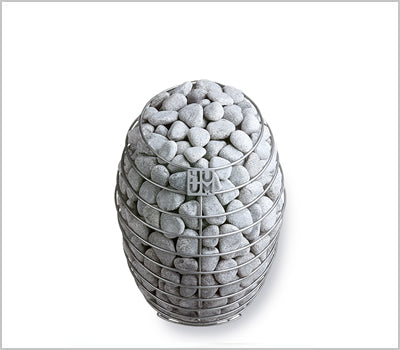
A Finnish sauna heats the air using an electric heater (or wood stove) loaded with stones. The room reaches 170-200F. You can throw water on the stones to create steam bursts called loyly, which spikes the perceived heat even higher. The hot air heats your body from the outside in. Your core temperature rises, your heart rate climbs, and you sweat - a lot.
Infrared Sauna
An infrared sauna uses carbon or ceramic panels that emit far-infrared wavelengths. These wavelengths penetrate about 1.5 inches into your skin, heating your body directly without heating the surrounding air to extreme temperatures. Room temperature typically stays between 110-150F. You still sweat plenty, but the air around you feels much more tolerable.
Health Benefits: What the Research Says
Finnish Sauna Benefits
Finnish saunas have the most extensive research of any sauna type. The famous Kuopio Ischemic Heart Disease Study followed 2,315 Finnish men for over 20 years and found:
- Men who used the sauna 4-7 times/week had a 40% lower risk of all-cause mortality compared to once-a-week users
- Significant reductions in cardiovascular disease, sudden cardiac death, and stroke
- Lower risk of developing dementia and Alzheimer's disease
- Reduced blood pressure with regular use
The key factor appears to be the intensity of the heat stress - higher temperatures drive stronger cardiovascular adaptations.
Infrared Sauna Benefits
Infrared sauna research is growing but doesn't have the same depth or longevity as Finnish sauna studies. Current research shows:
- Improvements in chronic pain conditions (fibromyalgia, rheumatoid arthritis)
- Reduced blood pressure in people with cardiovascular risk factors
- Benefits for chronic fatigue syndrome
- Potential improvements in congestive heart failure symptoms
- Reduced muscle soreness and improved recovery after exercise
The Overlap
Both types raise your core body temperature and make you sweat. Both increase heart rate. Both promote relaxation and stress reduction. The main difference is intensity - Finnish saunas create a more intense cardiovascular stress, which may be why the long-term studies show stronger outcomes. But for people who can't tolerate extreme heat, an infrared sauna at a lower temperature may still deliver meaningful benefits.
The Experience: Night and Day
This is where personal preference matters most.
A Finnish sauna session is intense. The air is hot. Breathing feels different. When you throw water on the stones, the steam wave hits you and your skin prickles. Sitting on the upper bench at 190F, you feel the heat pressing against every inch of your body. It's a challenge - in a good way. The cool-down between rounds (cold plunge, cold shower, or just fresh air) is part of the ritual and feels incredible.
An infrared sauna session is gentler. The air temperature is comfortable. You can read a book, scroll your phone, or meditate without feeling like you're being cooked. The sweating is deep and steady but the overall sensation is more like being wrapped in warmth than being inside an oven. Sessions tend to be longer (30-45 minutes vs 15-20 for traditional) because the heat is more tolerable.
Cost Comparison
| Factor | Finnish Sauna | Infrared Sauna |
|---|---|---|
| Purchase Price (2-4 person) | $3,500-$10,000 | $1,500-$6,000 |
| Installation | $500-$2,000 (240V circuit required) | $0-$500 (many run on 120V) |
| Energy per Session | $0.75-$1.50 | $0.30-$0.60 |
| Preheat Time | 30-45 minutes | 15-20 minutes (or use immediately) |
| Maintenance | Replace heater stones occasionally | Virtually none |
| Lifespan | 15-25+ years | 10-20 years (panel degradation) |
Infrared saunas win on upfront cost and energy efficiency. Finnish saunas tend to last longer and deliver a more intense experience.
Space Requirements
Infrared saunas are often more compact and can fit in a bedroom, closet, or small bathroom corner. They don't need as much ventilation because the air temperature is lower. Some portable models fold up for storage.
Finnish saunas need proper ventilation (intake and exhaust), and outdoor models need weather protection or are self-contained units like barrel or cabin saunas. They're generally a bigger footprint, especially once you account for the heater and proper bench clearances.
Which One Should You Choose?
Choose a Finnish sauna if:
- You want the strongest research-backed health benefits
- You enjoy intense heat and the traditional sauna ritual
- You want the steam/loyly experience
- You plan to pair it with cold exposure (cold plunge, cold shower)
- You're building a long-term outdoor wellness setup
Choose an infrared sauna if:
- You're sensitive to extreme heat but still want the sweating and detox benefits
- You have limited space or live in an apartment
- Budget is tight
- You prefer a milder, more comfortable session
- You want plug-and-play convenience with no electrician needed
Browse Both Types
SweatDecks carries both traditional outdoor saunas and indoor sauna options including infrared models. Not sure which is right for you? Start with what matches your budget and space, and upgrade later if your needs change. Free shipping on orders over $5,000, and all products are HSA/FSA eligible through TrueMed.
Try Our Free Tools
Browse our expert-tested cold plunge collection.