Infrared Sauna vs Regular Sauna - Which Is Better?
This is one of the most debated topics in the sauna world. Walk into any sauna forum and you'll find passionate advocates for both sides. The truth is that both types deliver real health benefits, but they do it differently. And which one is "better" depends entirely on what you're looking for.
Quick Answers
What is the difference between infrared sauna and dry sauna?
A traditional dry sauna heats the air, typically 150-195°F, warming your body from the outside in. An infrared sauna uses light panels to heat your body directly while the room stays cooler, around 120-150°F. Both make you sweat heavily, but the heating method and comfort level differ significantly.
Is infrared sauna better than traditional sauna?
Neither is universally better. Traditional saunas have stronger long-term cardiovascular research and offer loyly (steam), while infrared saunas have a slight edge for pain relief, use less electricity, and suit people who find intense heat uncomfortable. The right choice depends on your priorities and tolerance for heat.
Why do people say infrared is not a real sauna?
Purists argue that real saunas require hot air and loyly, the steam created by pouring water on heated stones, which infrared saunas cannot replicate. Infrared saunas heat the body directly with light panels rather than heating the air, so the experience feels fundamentally different from a Finnish sauna.
Which type is better for muscle recovery?
Traditional saunas have more athletic recovery research behind them, partly due to higher temperatures potentially stimulating growth hormone production. Infrared saunas are gaining popularity with athletes because they deliver deep tissue warming without the cardiovascular stress of extreme air temperatures, making them a gentler recovery option.
Does infrared sauna use less electricity than traditional?
Yes. Traditional saunas typically use 6-9 kW and often require 240V wiring, while infrared saunas use about 1.5-3 kW and often plug into a standard outlet. Infrared saunas also heat up faster, in 10-20 minutes versus 30-60 minutes for traditional saunas.
Let's compare them honestly, without the marketing spin.
You can see every model in our infrared sauna lineup before you decide.

Shop infrared saunas at SweatDecks
- FD-1 Full-Spectrum Infrared Sauna - $4,695
- FD-3 Full Spectrum Infrared Sauna - $6,495
Affirm financing available. Free curbside shipping on orders over $5,000. See all infrared saunas.
How They Work: The Fundamental Difference
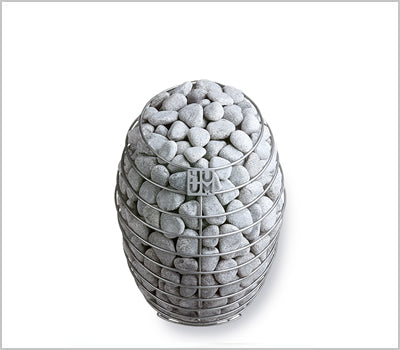
Traditional saunas (also called Finnish saunas or regular saunas) heat the air inside the room, typically to 150-195 degrees Fahrenheit. The hot air heats your body from the outside in. Most traditional saunas have stones on a heater that you can pour water over to create steam (loyly), adding humidity to the experience.
Infrared saunas use infrared light panels to heat your body directly, without significantly heating the surrounding air. The room temperature stays between 120-150 degrees Fahrenheit - noticeably cooler than a traditional sauna - but your body still heats up because the infrared energy penetrates 1-2 inches into your tissue.
Think of it this way: a traditional sauna is like standing in front of a bonfire - the hot air warms you. An infrared sauna is like standing in sunlight on a cool day - the radiant energy warms you directly even though the air is comfortable.

Temperature and Comfort
This is where personal preference plays a huge role.
Traditional saunas run hot. At 175-195 degrees, the air itself feels intense. Your lungs notice it. Your skin turns red. Breathing takes conscious effort, especially after throwing water on the stones. For many people, this intensity is the whole point - the Finnish sauna experience is supposed to be challenging.
Infrared saunas feel more like sitting in a warm room. At 130-150 degrees, the air temperature is mild. You still sweat heavily because the infrared energy is heating your core directly, but you can breathe easily, carry on conversations comfortably, and sit for longer periods without feeling overwhelmed.
If you love intense heat and the traditional sauna atmosphere, infrared might feel underwhelming. If you find traditional saunas uncomfortably hot or have respiratory sensitivity, infrared provides the benefits without the air temperature challenge.
Health Benefits Comparison
Cardiovascular Benefits
Both types increase heart rate, dilate blood vessels, and improve circulation. Traditional saunas push your cardiovascular system harder due to the extreme air temperature. The Finnish research showing 50% reduced cardiovascular disease risk was conducted on traditional sauna users. Infrared sauna studies show similar cardiovascular improvements, but the long-term population data isn't as extensive.
Pain Relief and Inflammation
Infrared has a slight edge here in clinical studies. The deeper tissue penetration of infrared wavelengths appears to deliver heat more effectively to muscles and joints. Japanese research on chronic pain conditions showed significant improvement with infrared therapy. Traditional saunas also reduce pain and inflammation through heat shock protein production and improved blood flow, but the mechanism is less targeted.
Detoxification Through Sweat
Both types make you sweat heavily. Some infrared proponents claim that infrared sweat contains more toxins (heavy metals, BPA, etc.) than traditional sauna sweat. A few small studies support this claim, but the overall evidence is mixed and the quantities involved are small. Both types of sweating remove trace amounts of toxins. Neither should be considered a primary detox strategy.
Muscle Recovery
Traditional saunas get more use in athletic recovery research, partly because they've been around longer and partly because the higher temperatures may stimulate growth hormone production more aggressively. However, infrared saunas are increasingly popular with athletes for their ability to deliver deep tissue warming without the cardiovascular stress of extreme air temperatures.
Weight and Metabolism
Both types burn extra calories (roughly 150-300 per session) and can improve insulin sensitivity with regular use. Traditional saunas may push metabolic rate slightly higher due to the body working harder to cool itself in more extreme heat. The practical difference is small.
The Loyly Factor
Here's something infrared saunas simply cannot replicate: loyly. That burst of steam when water hits hot stones is central to the traditional sauna experience. It creates a wave of moist heat that feels completely different from dry infrared warmth.
If the ritual of throwing water on stones, feeling the steam rise, and experiencing that distinctive humidity matters to you, traditional is the only option. Infrared saunas have no stones and no steam capability.
Practical Considerations
| Factor | Traditional Sauna | Infrared Sauna |
|---|---|---|
| Operating temperature | 150-195°F | 120-150°F |
| Heat-up time | 30-60 minutes | 10-20 minutes |
| Electricity use | Higher (6-9 kW typical) | Lower (1.5-3 kW typical) |
| Installation | May need 240V wiring | Often plugs into standard outlet |
| Steam capability | Yes (loyly) | No |
| Session length | 15-20 minutes per round | 30-45 minutes continuous |
| Outdoor use | Excellent | Indoor preferred |
Who Should Choose Traditional?
- People who want the authentic Finnish sauna experience with loyly
- Anyone who enjoys intense heat and sees it as part of the benefit
- People planning an outdoor sauna setup
- Those who want to do contrast therapy with a cold plunge (the higher temperature creates a more dramatic contrast)
- Athletes focused on growth hormone stimulation and aggressive recovery protocols
Who Should Choose Infrared?
- People who find traditional sauna temperatures uncomfortable or intolerable
- Anyone with respiratory conditions that are aggravated by hot air
- People primarily targeting pain relief and inflammation reduction
- Those wanting an indoor sauna with lower energy costs and simpler installation
- People who prefer longer, more relaxed sessions at gentler temperatures
The Bottom Line
There's no universally "better" option. Traditional saunas offer a more intense experience with deeper cultural roots and the strongest long-term health research. Infrared saunas offer a gentler, more accessible experience with specific advantages for pain relief and practical convenience.
The best sauna is the one you'll actually use consistently. If traditional heat excites you, go traditional. If infrared's gentler approach means you'll use it four times a week instead of avoiding it, go infrared. The health benefits of regular use far outweigh the marginal differences between the two types.
Try Our Free Tools
Browse our expert-tested cold plunge collection.