How to Use a Sauna for Recovery: A Practical Guide
If you've ever sat in a sauna after a hard workout and felt your sore muscles loosen up, you weren't imagining it. Sauna use for recovery is backed by a growing body of research, and athletes from weekend warriors to professionals have made it a standard part of their routine.
Quick Answers
When is the best time to sauna after a workout?
The sweet spot is 15-60 minutes after your workout, once your heart rate has come down. Going straight from an intense workout into a hot sauna while still dehydrated and elevated isn't ideal. Cool down for 10-15 minutes and drink 16-20 oz of water first, then enter the sauna at 150-175F for 15-20 minutes.
What temperature should a sauna be for muscle recovery?
For general muscle recovery, aim for 150-170F for 15-20 minutes, 3-4 times per week. Deeper soreness (DOMS) responds well to 160-175F for 15-25 minutes, done daily until it resolves. Heat shock protein and growth hormone protocols use higher temperatures of 175-185F for 20-30 minutes.
How much water should you drink before and after a sauna?
Drink 16-20 oz of water in the 30 minutes before your session, then 16-24 oz of water or an electrolyte drink within 30 minutes after. A 20-minute session causes you to lose about 1 pint of sweat, so this matters even more after a workout. Signs of insufficient hydration include headache, dizziness, and dark urine.
Is sauna and cold plunge contrast therapy effective for recovery?
Yes, alternating hot and cold maximizes circulatory response and is particularly effective for inflammation and soreness. A typical protocol is sauna at 170-180F for 15 minutes, then cold plunge at 38-50F for 2-4 minutes, resting 5 minutes between 2-3 rounds. End on cold if reducing inflammation is your main goal.
Can you use a sauna right after an injury?
No, heat can increase swelling in fresh injuries, so it should be avoided in the first 48 hours. The general rule is ice first for 48-72 hours, then heat once initial swelling subsides. Don't sauna on a freshly sprained ankle or pulled muscle.
But there's a right way and a wrong way to do it. Timing, temperature, and duration all matter. This guide covers the practical details so you can get real recovery benefits from your sauna sessions.
Shop all saunas at SweatDecks
- FD-1 Full-Spectrum Infrared Sauna - $4,695
- FD-3 Full Spectrum Infrared Sauna - $6,495
Affirm financing available. Free curbside shipping on orders over $5,000. See all all saunas.
Why Sauna Helps With Recovery
When you sit in a sauna at 150-185F, several things happen in your body that directly support recovery:
- Increased blood flow. Heat causes blood vessels to dilate, increasing circulation by 50-100%. More blood flowing to damaged muscles means more oxygen and nutrients delivered to tissues that need repair.
- Reduced muscle tension. Heat relaxes muscle fibers and reduces spasm. This is why a sore back or tight hamstrings feel noticeably better after a sauna session.
- Heat shock protein production. Your body produces heat shock proteins (HSPs) in response to the thermal stress. These proteins help repair damaged proteins in your muscle cells and protect against future damage.
- Growth hormone release. Sauna sessions can temporarily boost growth hormone levels, which plays a role in muscle repair and tissue recovery.
- Reduced inflammation. Regular sauna use has been shown to lower markers of systemic inflammation, which helps your body recover more efficiently.
- Improved sleep. The post-sauna drop in body temperature signals your brain that it's time to sleep. Better sleep means better recovery, period.
When to Sauna for Recovery
Timing matters more than most people think.
After a Workout (Best for Most People)
The sweet spot is 15-60 minutes after your workout. This gives your heart rate time to come down from exercise before you elevate it again with heat. Going straight from an intense workout into a hot sauna when you're already dehydrated and your heart rate is still elevated isn't ideal.
Post-workout protocol:
- Finish your workout
- Cool down for 10-15 minutes. Drink 16-20 oz of water.
- Enter the sauna at 150-175F
- Stay for 15-20 minutes
- Cool down (cold shower, cold plunge, or just rest at room temperature)
- Hydrate again - at least 16 oz of water with electrolytes
On Rest Days
Sauna on rest days is excellent for active recovery. You get all the circulation and heat shock protein benefits without adding any mechanical stress to already-recovering muscles. Many athletes use longer sessions (20-30 minutes) on rest days since there's no workout fatigue to compound.
Before a Workout (Use With Caution)
A short 5-10 minute sauna session before exercise can work as a warm-up, especially for flexibility-focused activities like yoga. But longer pre-workout sessions can dehydrate you and tire your cardiovascular system before you even start training. If you sauna before a workout, keep it brief and hydrate aggressively.
Temperature and Duration Guidelines
| Recovery Goal | Temperature | Duration | Frequency |
|---|---|---|---|
| General muscle recovery | 150-170F | 15-20 minutes | 3-4x per week |
| Deep soreness (DOMS) | 160-175F | 15-25 minutes | Daily until resolved |
| Sleep improvement | 150-170F | 15-20 minutes | 3-5x per week, 1-2 hours before bed |
| Heat shock protein boost | 175-185F | 20-30 minutes | 3-4x per week |
| Growth hormone protocol | 175-185F | 20 min on, 5 min cool, repeat 2-3x | 2-3x per week |
Start on the lower end of both temperature and duration if you're new to sauna use. Your heat tolerance builds over 2-3 weeks of regular sessions.
Recovery Protocols That Work
Protocol 1: Basic Post-Workout Recovery
The simplest and most effective protocol for everyday use.
- Set sauna to 160F
- Sit or lie on the upper bench for 15-20 minutes
- Exit and take a cool (not ice cold) shower for 2-3 minutes
- Rest for 10 minutes, hydrate
- Done
Protocol 2: Contrast Therapy (Sauna + Cold)
Alternating hot and cold maximizes the circulatory response and is particularly effective for inflammation and soreness. If you have a cold plunge, this is the gold standard recovery method.
- Sauna at 170-180F for 15 minutes
- Cold plunge at 38-50F for 2-4 minutes
- Rest 5 minutes at room temperature
- Repeat 2-3 rounds
- Always end on cold if your goal is reducing inflammation
Protocol 3: Growth Hormone Protocol
This is the more intense protocol based on research showing that repeated heat exposure can significantly boost growth hormone output.
- Sauna at 180F for 20 minutes
- Cool down outside the sauna for 5 minutes (don't cold plunge - just rest)
- Back in the sauna for 20 minutes
- Cool down 5 minutes
- Third round in the sauna for 15-20 minutes if tolerable
- Full cool-down and hydration after
This protocol is demanding. Don't attempt it until you've built up heat tolerance over several weeks of regular single-session use.
Hydration: The Part Most People Get Wrong
You lose about 1 pint (16 oz) of sweat during a 20-minute sauna session. After a workout, you're already somewhat dehydrated. Combine the two and dehydration becomes a real risk if you don't plan ahead.
- Before the sauna: Drink 16-20 oz of water in the 30 minutes before your session
- After the sauna: Drink 16-24 oz of water or an electrolyte drink within 30 minutes
- Signs you're not drinking enough: Headache after sauna, feeling dizzy during the session, dark urine afterward
- Electrolytes matter: Plain water replaces volume but not the sodium and potassium you lose in sweat. An electrolyte drink or a pinch of salt in your water makes a difference during heavy sauna use
Who Should Be Careful
Sauna is safe for most healthy adults, but certain groups should consult a doctor first:
- People with cardiovascular conditions or uncontrolled high blood pressure
- Pregnant women
- Anyone on medications that affect heart rate or blood pressure
- People with acute injuries (within the first 48 hours - heat can increase swelling in fresh injuries)
For acute injuries, the general rule is ice first (48-72 hours), then heat. Don't sauna on a freshly sprained ankle or pulled muscle. Wait until the initial swelling subsides.
Building a Recovery Routine
Here's what a practical weekly recovery schedule looks like for someone training 4-5 days per week:
- Training days (4-5x/week): 15-20 minute post-workout sauna at 160F, followed by a cool shower
- Rest days (2-3x/week): 20-25 minute sauna session with optional contrast therapy using a cold plunge
- Before bed (2-3x/week): 15-minute sauna session 1-2 hours before sleep
You don't need to hit every session. Consistency matters more than perfection. Three to four sauna sessions per week is enough for meaningful recovery benefits.
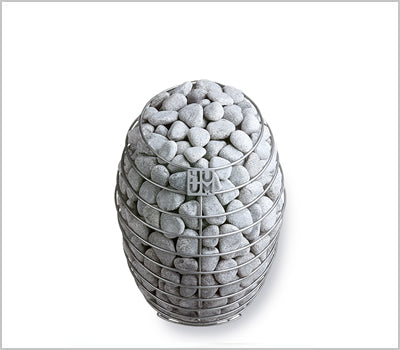
Ready to make sauna recovery part of your routine? Browse our outdoor saunas built with FSC-certified heat-treated Canadian hemlock and paired with Harvia and Huum heaters that reach recovery temperatures quickly and hold them consistently.
Browse our expert-tested cold plunge collection.