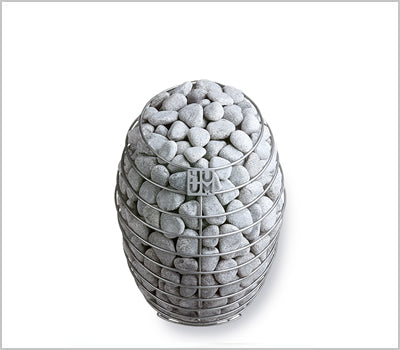
When to Replace Sauna Rocks and How to Dispose of Old Ones
Sauna rocks don't last forever. They go through extreme thermal stress every time you fire up your heater - expanding when hot, contracting when cold, and occasionally getting doused with water that creates rapid temperature changes. Over time, they crack, crumble, and lose their ability to hold and radiate heat effectively.
Quick Answers
How often should you replace sauna rocks?
It depends on use frequency. Replace every 6-12 months with daily use, every 1-2 years with moderate use of 3-4 times per week, or every 2-3 years with light use of once a week or less. Inspect rocks every few months and replace sooner if you notice crumbling, deep cracks, weak steam, or longer heat-up times.
How do you dispose of old sauna rocks?
Old sauna rocks are natural stone and not hazardous waste, so you have several options. Use them for landscaping, garden path material, or drainage fill in planter boxes and garden beds. They also work as fill for French drains or gravel pad bases. Most municipalities allow natural stone in regular trash, or you can give them away to gardeners.
What are the signs sauna rocks need replacing?
Watch for crumbling or dust around the heater, visible deep cracks, weak or reduced steam when pouring water, longer heat-up times, and a foul smell from mineral deposits. Any of these signs mean the rocks have lost their heat retention and porosity and should be replaced, even if you're ahead of a fixed schedule.
What rocks should you use to replace sauna stones?
Stick with rocks recommended by your heater manufacturer, such as olivine diabase, peridotite, or vulcanite for Harvia and Huum heaters. Avoid random rocks from your yard or a riverbed, since untested rocks can contain moisture pockets that cause them to explode when heated or release harmful fumes.
How do you replace sauna rocks safely?
Let the heater cool completely, waiting at least 4-6 hours after the last session. Remove old rocks one at a time, clean dust and debris from the heater, rinse new rocks before use, stack larger rocks on the bottom with space for airflow, then run the heater 30-60 minutes before your first session to cure the new rocks.
Knowing when to replace your sauna stones and how to handle old ones properly is basic maintenance that keeps your sauna performing well and your heater in good shape.

Shop sauna stones at SweatDecks
- SOAPSTONE CUP - $25
- Traditional Sauna Stones - $59
Affirm financing available. Free curbside shipping on orders over $5,000. See all sauna stones.
How Long Do Sauna Rocks Last?
The lifespan of sauna rocks depends on how often you use your sauna, what type of rocks you have, and how aggressively you pour water on them (loyly).
General guidelines:
- Heavy use (daily or near-daily): Replace every 6-12 months
- Moderate use (3-4 times per week): Replace every 1-2 years
- Light use (once a week or less): Replace every 2-3 years
These are averages. Some rocks break down faster than others. Volcanic rocks like olivine diabase tend to last longer than cheaper alternatives. The rocks that come standard with Harvia and Huum heaters are selected for durability, but even premium stones eventually wear out.

Signs Your Rocks Need Replacing
Don't wait for a fixed schedule. Inspect your rocks every few months and look for these signs:
Crumbling and dust. If you see rock fragments, sand, or dust accumulating in and around your heater, your rocks are breaking down. This debris can clog heater elements and restrict airflow.
Visible cracks. Small surface cracks are normal early on. Deep cracks that split rocks into pieces mean it's replacement time. Cracked rocks don't hold heat well and the fragments can block air circulation.
Reduced steam quality. When you pour water on fresh rocks, you should get a satisfying burst of steam (loyly). If the steam feels weak or the water just runs through the rock pile without sizzling properly, the rocks have likely lost their porosity and heat retention capacity.
Longer heat-up times. Worn rocks don't absorb and radiate heat as efficiently. If your sauna is taking noticeably longer to reach temperature than it used to, degraded rocks could be the culprit.
Foul smell. Old rocks can develop mineral deposits and absorb contaminants over time. If you notice an unpleasant smell when you pour water, it's time for fresh stones.
How to Replace Sauna Rocks
Replacing rocks is straightforward:
- Let the heater cool completely. Never handle rocks when the heater has been recently used. Wait at least 4-6 hours after the last session.
- Remove old rocks carefully. Take them out one at a time. Watch for dust and fragments that may have fallen into the heater element area.
- Clean the heater. With the rocks removed, vacuum or brush out any dust and debris from the heater body. Check the heating elements for damage while you have access.
- Rinse new rocks. Wash your new rocks with water to remove dust and loose particles before placing them in the heater.
- Stack properly. Place larger rocks on the bottom, near the heating elements, and smaller rocks on top. Leave spaces between rocks for air circulation. Don't pack them too tightly.
- First session. Run the heater for 30-60 minutes before your first use with new rocks. This "cures" them and drives off any moisture or residue.
How to Dispose of Old Sauna Rocks
Old sauna rocks are natural stone - they're not hazardous waste. Here are your disposal options:
Landscaping. This is the most common and practical option. Use spent sauna rocks as garden path material, drainage fill, decorative ground cover, or rock garden additions. They look great and function well as landscape stone.
Garden drainage. Place old rocks at the bottom of planter boxes or garden beds to improve drainage. Their porous structure actually makes them excellent for this purpose.
Fill material. Use them as fill for construction projects, French drains, or gravel pad bases. If you're building a sauna pad, old rocks work well as part of the sub-base layer.
Regular trash. If you don't have a use for them, most municipalities allow natural stone in regular waste collection. Check your local guidelines. Some areas may want them separated from regular household trash and taken to a landfill or transfer station.
Give them away. Gardening groups and local community boards are full of people looking for free stone. What's garbage to you is landscaping material to someone else.
Choosing Replacement Rocks
Stick with rocks recommended by your heater manufacturer. For Harvia and Huum heaters (which come standard with our saunas), suitable rock types include:
- Olivine diabase - dense, durable, excellent heat retention
- Peridotite - handles thermal shock well, long-lasting
- Vulcanite - good steam production, commonly used in Finnish saunas
Avoid random rocks from your yard or a riverbed. Natural rocks that haven't been tested for sauna use can contain moisture pockets that cause them to explode when heated. They may also contain minerals that release harmful fumes. Always use rocks specifically sold for sauna use.
Maintaining Rocks Between Replacements
You can extend rock life with a few simple habits:
- Rearrange rocks every 2-3 months. Move bottom rocks to the top and vice versa to distribute thermal wear evenly.
- Remove broken pieces when you spot them. Fragments restrict airflow and can damage heating elements.
- Don't pour excessive water. A ladle or two at a time is plenty. Flooding the rocks with cold water accelerates thermal shock cracking.
- Let the sauna heat up fully before pouring water. Rocks handle water better when they're at full temperature.
Our outdoor saunas and indoor saunas come with quality sauna stones matched to their Harvia or Huum heaters. Built from FSC-certified heat-treated Canadian hemlock, they're designed for years of reliable use. Free shipping on orders over $5,000, with 0% APR financing available through Affirm.
Try Our Free Tools
Browse our expert-tested cold plunge collection.