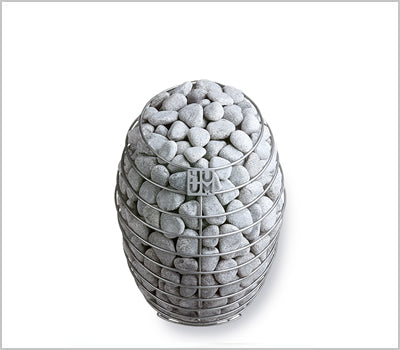
How to Cool Down Sauna Stones: Care, Maintenance, and Safety
Sauna stones do a lot of heavy lifting. They absorb heat from the heater, store it, and release it slowly to keep the sauna at a consistent temperature. When you throw water on them, they create that burst of steam - loyly - that's central to the traditional sauna experience. But they also need proper care, including knowing how to cool them down correctly.
Quick Answers
How long do sauna stones take to cool down?
After turning off the heater, sauna stones typically take 1-3 hours to reach room temperature, depending on stone density and room conditions. Dense stones like olivine and vulcanite retain heat longer than lighter ones. Opening the sauna door improves air circulation and speeds cooling. Wait at least 2 hours before handling stones since the interior stays hot longer than the surface.
Can you pour water on sauna stones to cool them down?
No, pouring a large volume of water on hot stones to cool them is different from a normal loyly splash and creates thermal shock. This rapid temperature change can crack stones, cause fragments to chip off, and damage the heater's elements. Small ladle-fulls of water for steam during a session are fine, but large volumes to force cooling are not.
How often should you inspect and maintain sauna stones?
Inspect sauna stones every 3-6 months once they're fully cool. Look for cracks, crumbling surfaces, reduced size, or dust buildup at the bottom of the heater. Rearrange the stones during each inspection, putting bottom stones on top, and vacuum or brush out accumulated dust to keep the heating elements working efficiently.
How often do sauna stones need to be replaced?
Expect to replace sauna stones every 1-3 years with heavy use or every 3-5 years with moderate use. Warning signs include visible cracks, stones that have become noticeably smaller or rounded, excessive dust production, flat or hissing steam instead of a strong burst, and a heater that takes longer to reach temperature.
What is the best type of stone for a sauna?
Good sauna stones are dense, heavy, non-porous, and rounded or smooth rather than sharp-edged, typically 2-6 inches in diameter. Olivine (diabase), vulcanite, and peridotite are popular choices. Avoid river rocks or random stones, since they can contain moisture pockets that cause them to explode when heated.
Here's what you need to know about cooling, maintaining, and getting the most out of your sauna stones.

Shop sauna stones at SweatDecks
- SOAPSTONE CUP - $25
- Traditional Sauna Stones - $59
Affirm financing available. Free curbside shipping on orders over $5,000. See all sauna stones.
How Sauna Stones Cool Down Naturally
When you turn off your sauna heater, the stones don't cool down instantly. Depending on the type of stone and how long the heater was running, they can retain significant heat for 30-60 minutes or more. Dense stones like olivine and vulcanite hold heat longer than lighter stones.
The natural cooling process works like this:
- Heater turns off - Stones stop receiving new heat energy.
- Radiant cooling - Stones slowly release stored heat into the sauna air.
- Convective cooling - As the sauna room cools and air circulates (especially if you leave the door open), the stones cool faster.
- Full cool-down - Depending on conditions, stones reach room temperature in 1-3 hours.

Should You Speed Up the Cooling Process?
In most cases, just let them cool naturally. Turn off the heater and leave the sauna door slightly open to ventilate. The stones will cool on their own.
However, there are situations where you might want to speed things up:
- Rearranging stones - If you need to inspect or rearrange your stones, you'll need them cool enough to handle.
- Cleaning the heater - Removing stone dust and debris requires cool stones.
- Replacing broken stones - Cracked or deteriorating stones should be swapped out.
- Safety concerns - If children or pets might access the sauna area while stones are still hot.
How to Speed Up Cooling Safely
- Open the door fully - Maximum air circulation is the safest way to speed cooling.
- Don't pour cold water on hot stones to cool them - This creates rapid thermal shock that can crack stones and damage the heater. The steam burst is also a burn hazard if you're leaning over the heater.
- Use a fan - A portable fan aimed at the heater area will accelerate cooling without any risk of thermal shock.
- Wait at least 2 hours before handling stones after a full session, even if the room feels cool. The stone interior retains heat longer than the surface.
Why Thermal Shock Matters
Pouring a large volume of water on extremely hot stones specifically to cool them down is different from the normal loyly splash. Loyly uses a small amount of water (a ladle-full) that instantly vaporizes. Pouring a bucket of cold water to cool stones creates rapid, uneven temperature changes that cause:
- Stone cracking - Stones expand when hot and contract when cooled. Rapid cooling creates stress fractures.
- Exploding fragments - In extreme cases, rapid thermal shock can cause stone fragments to chip or pop off.
- Heater damage - The heating elements can be damaged by sudden large volumes of water.
Bottom line: small splashes for steam during your session are fine. Large volumes of water to cool stones down are not.
Regular Stone Maintenance
While we're on the topic of stone care, here's what regular maintenance looks like:
Inspect Every 3-6 Months
Remove all stones from the heater (when cool) and inspect them. Look for:
- Cracks or fractures
- Crumbling or flaking surfaces
- Significantly reduced size (stones slowly erode over time)
- Dust and debris accumulation at the bottom of the heater
Replace any stones that are cracked, crumbling, or noticeably smaller than they were originally.
Rearrange When You Inspect
Stones settle over time, and the ones at the bottom take more abuse. When you remove them for inspection, rearrange them - put bottom stones on top and vice versa. This distributes wear more evenly and improves air circulation through the stone pile.
Clean Out Debris
Stone dust accumulates at the bottom of the heater. This dust can insulate the heating elements and reduce efficiency. Vacuum or brush out the heater cavity every time you inspect and rearrange your stones.
When to Replace Your Sauna Stones
Sauna stones don't last forever. Depending on usage frequency and stone quality, expect to replace them every 1-3 years for heavy use or 3-5 years for moderate use. Signs it's time for new stones:
- Visible cracks running through multiple stones
- Stones have become significantly smaller or rounded
- Excessive dust production
- Poor steam quality when you add water (flat, hissing steam instead of a satisfying burst)
- Heater takes longer to reach temperature because stones aren't retaining heat well
Choosing the Right Replacement Stones
Not all stones work well in saunas. Good sauna stones should be:
- Dense and heavy - They hold more heat
- Non-porous - Porous stones absorb water and are more likely to crack from thermal stress
- Rounded or smooth - Sharp edges can break off when heated
- Appropriate size - Generally 2-6 inches in diameter. Larger stones on the bottom, smaller on top for optimal airflow
Popular types include olivine (diabase), vulcanite, and peridotite. Avoid river rocks or random stones - they may contain moisture pockets that can cause them to explode when heated.
The Bottom Line
Let your sauna stones cool naturally after each session by turning off the heater and opening the door. Don't pour water on them to speed up cooling - the thermal shock causes cracking and can damage your heater. Inspect and rearrange stones every 3-6 months, replace cracked or deteriorated stones, and clean out dust from the heater cavity. Good stone care means better steam, more efficient heating, and a safer sauna experience.
Try Our Free Tools
Browse our expert-tested cold plunge collection.