How to Compare Sauna Brands: What Actually Matters
Every sauna brand says they're the best. Best wood. Best heaters. Best experience. The marketing all sounds the same, and it's nearly impossible to compare brands just by reading their product pages. They're all designed to make you buy.
Quick Answers
How do you compare sauna brands?
Compare them on specific specs, not marketing claims: wood species and wall thickness, heater brand and kilowatt rating, warranty terms for both structure and heater, customer support quality, and independent reviews. Build a simple spreadsheet with these columns for 3-4 brands. The best option usually becomes obvious once the real specs sit side by side.
What wood thickness should a sauna have?
Outdoor saunas should have walls 1.5 to 2 inches thick, while indoor saunas typically use 1 inch or more. If a brand doesn't list wall thickness on its product page, that's often a sign it's hiding thinner, cheaper construction. Always compare this number directly between brands before deciding.
What warranty length is normal for a sauna?
Good brands offer 3-5 years minimum on the structure and wood, while great brands offer 5-10+ years or lifetime coverage. Heater warranties typically run 2-5 years, and anything under 2 years is a warning sign. Hardware and components are usually covered for 1-3 years, so compare each category separately.
Which heater brands are considered reliable?
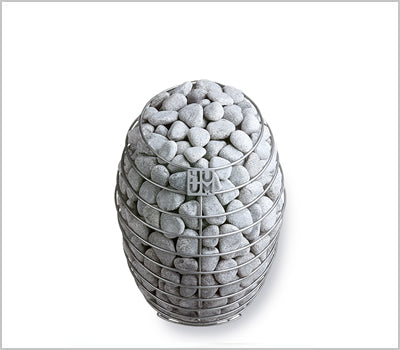
Harvia, Huum, Sawo, Tylo, and EOS are established heater brands with proven track records. If a sauna brand uses a proprietary heater with no established reputation, it's harder to judge long-term reliability. Also check that the heater is properly sized for the sauna's volume, not undersized to cut costs.
What should you ignore when comparing sauna brands?
Skip marketing buzzwords like 'luxury' or 'premium' without specs behind them, celebrity endorsements, the number of models a brand offers, and website design quality. None of these indicate whether the actual sauna you're buying is well built. Focus instead on wood, heater, warranty, and verified reviews for that specific model.
Here's how to cut through the noise and compare brands on the things that actually determine whether you'll love your sauna five years from now.

Shop all saunas at SweatDecks
- FD-1 Full-Spectrum Infrared Sauna - $4,695
- FD-3 Full Spectrum Infrared Sauna - $6,495
Affirm financing available. Free curbside shipping on orders over $5,000. See all all saunas.
Compare the Wood - Not the Marketing
Every brand will say they use "premium" wood. That word means nothing without specifics. Here's what to compare:
- Species: Western red cedar is the top tier for outdoor saunas. Thermally modified wood is excellent. Hemlock and basswood are standard for indoor infrared. If a brand doesn't clearly state the wood species, assume it's something cheap.
- Thickness: Compare wall thickness in inches. 1.5-2 inches for outdoor saunas, 1+ inch for indoor. Brands that don't list wall thickness are probably hiding thin walls.
- Grade: Clear or A-grade lumber versus knotty or utility grade. Knots weaken the wood, trap moisture, and can seep sap in the heat.
- Source: Canadian western red cedar is considered the gold standard. Some brands source cedar from different regions - it matters.
Put two brands side by side. Can you get specific wood specs from both? If one brand gives you "1.75-inch kiln-dried western red cedar, clear grade" and the other says "premium sauna wood," that's your first quality indicator.

Compare the Heaters
The heater determines how your sauna performs day to day. Compare these factors:
- Brand: Harvia, Huum, Sawo, Tylo, and EOS are established brands with proven track records. If a brand uses their own proprietary heater with no established reputation, it's harder to assess reliability.
- Sizing: Is the heater properly matched to the sauna's volume? A brand that pairs an undersized heater with a large sauna is cutting costs at your expense.
- Warranty on the heater: This is separate from the structural warranty. How long is the heater covered? Are replacement elements available?
- Controls: Digital vs. manual. External controller vs. built-in dial. This affects daily usability.
Compare the Warranties
The warranty tells you how confident a brand is in their own product. It's one of the most revealing comparison points:
- Structure/wood: Good brands offer 3-5 years minimum. Great brands offer 5-10+ years or lifetime.
- Heater: 2-5 years is standard. Less than 2 years is a warning sign.
- Hardware/components: 1-3 years is typical
- What's excluded: Read the fine print. Some warranties exclude outdoor use, normal wear, or issues caused by "improper installation" (which can be defined very broadly).
If Brand A offers a 1-year warranty and Brand B offers a 5-year warranty on the same type of sauna, that's not just marketing. Brand B is putting money behind their quality claim.
Compare Customer Support
Before buying, test the customer support of brands you're considering:
- Call them. Does someone answer? How knowledgeable are they? Do they know their products or just read from a script?
- Email a question. How fast do they respond? Is the answer helpful and specific or generic?
- Check response to negative reviews. How does the brand handle complaints publicly on Google Reviews, Trustpilot, or their own site? Brands that respond helpfully to negative feedback are brands that care about their customers.
The best sauna is useless if you can't get help when something goes wrong during assembly or three years into ownership.
Compare the Reviews - The Right Way
Don't just look at the star rating. Dig into the reviews:
- Read the 3-star reviews. These tend to be the most balanced and honest. They'll mention both pros and cons.
- Look for patterns. If multiple reviews mention the same problem (heater issues, warping wood, poor instructions), it's a real issue, not a one-off.
- Check multiple platforms. Reviews on the brand's own website are curated. Compare with Google Reviews, Reddit, Trustpilot, and sauna forums.
- Weight recent reviews more. A brand can improve or decline over time. Reviews from the past 12 months are more relevant than 3-year-old reviews.
Compare the Assembly and Setup Support
- Instructions: Are they clear with diagrams? Numbered parts? Video tutorials available?
- Phone support during assembly: Can you call if you get stuck? Some brands offer this, others don't.
- Professional installation option: Does the brand offer or arrange professional assembly if you don't want to DIY?
- Electrical guidance: Do they provide wiring diagrams and electrical specs, or leave you to figure it out?
What NOT to Compare
Some things brands emphasize that don't actually matter much:
- Marketing buzzwords: "Luxury," "spa-grade," "premium" - these are meaningless without specs behind them
- Celebrity endorsements: A celebrity using a sauna doesn't make it better
- Number of models: Having 50 models doesn't mean they're all good. Focus on the specific one you're considering.
- Website design: A beautiful website doesn't guarantee a beautiful sauna
Our Suggestion
Make a simple comparison spreadsheet with these columns: brand, model, wood species, wall thickness, heater brand and kW, warranty terms, price, and customer review score from an independent source. Fill it in for 3-4 brands. The best option usually becomes obvious when you lay out the real specs side by side.
Browse our outdoor saunas, barrel saunas, and indoor saunas - every listing includes the specific details you need to make an informed comparison.
Try Our Free Tools
Browse our expert-tested cold plunge collection.