How to Build an Outdoor Sauna: Complete Planning Guide
Building an outdoor sauna from scratch is one of those projects that sounds straightforward until you start digging into the details. It's absolutely doable for someone with solid carpentry skills, but there are a few critical things you need to get right or the whole thing will underperform, rot, or both.
Quick Answers
How much does it cost to build an outdoor sauna?
A DIY outdoor sauna typically costs $3,000 to $6,000 in materials, plus 80 to 150 hours of labor, and that assumes no costly mistakes. Pre-built kits run $4,000 to $10,000 but come fully engineered and can go up in a single weekend.
What size heater does an outdoor sauna need?
Plan on roughly 1 kW of heater power per 50 cubic feet of sauna space. A 6x8-foot sauna with 7-foot ceilings works out to about 336 cubic feet, which needs a 6 to 7 kW heater. Electric heaters require a dedicated 240V circuit, ideally installed by an electrician.
What wood should you use inside a sauna?
Use tongue-and-groove softwood boards such as cedar, spruce, hemlock, or aspen. Cedar is the most popular since it's naturally rot-resistant and handles heat well. Never use pressure-treated wood, plywood, or OSB inside, since these can off-gas chemicals when heated.
Do you need a vapor barrier in an outdoor sauna?
Yes, a vapor barrier is not optional. Install aluminum foil vapor barrier on the interior side of the insulation to reflect heat back into the room and block moisture. Skipping it lets condensation build up inside the walls, causing mold and rot within a year or two.
Should you build a sauna or buy a kit?
It depends on your skills and time. DIY works well if you enjoy building and can handle the framing, insulation, vapor barrier, and wiring correctly. A pre-built kit costs $4,000 to $10,000, arrives with the ventilation and heater sizing already engineered, and installs in a weekend.
Here's what the build actually involves, step by step.

Shop outdoor saunas at SweatDecks
Affirm financing available. Free curbside shipping on orders over $5,000. See all outdoor saunas.
Step 1: Choose Your Location
Pick a level spot with decent drainage. Water pooling around your sauna foundation is the fastest path to structural problems. Most people place their outdoor sauna 10 to 20 feet from the house for convenience (close enough to run back inside after a cold rinse) but far enough that the heat and moisture don't affect siding or landscaping.
Check your local building codes and HOA rules before you start. Many areas require a permit for detached structures, and setback requirements vary. This isn't optional - getting caught without permits can mean tearing down what you built.

Step 2: Build the Foundation
Your sauna needs a solid, level foundation that keeps the structure off the ground. Options include:
- Concrete slab - Most permanent and stable. Pour a 4-inch slab with proper drainage slope. Overkill for small saunas but bulletproof.
- Concrete piers or deck blocks - Simpler and cheaper. Set them every 4 feet and build a pressure-treated floor frame on top.
- Gravel pad with sleepers - Budget-friendly. 4 to 6 inches of compacted gravel with pressure-treated 4x4 sleepers as a base.
Whatever you choose, get at least 4 to 6 inches of clearance between the ground and the bottom of your sauna. Airflow underneath prevents moisture buildup and rot.
Step 3: Frame the Walls
Standard framing works fine. Use 2x4 or 2x6 studs depending on how much insulation you want (2x6 is better for cold climates). Frame the walls, leaving rough openings for the door and any windows.
Ceiling height matters. The ideal interior ceiling height is 7 feet. Go lower and heat builds up too close to your head. Go higher and you waste energy heating air above the benches where nobody sits.
Size your sauna for how many people will use it at once. A 6x8-foot interior fits 2 to 3 people comfortably. An 8x10 handles 4 to 6.
Step 4: Insulate and Vapor Barrier
This is where DIY saunas often fail. You need excellent insulation and a proper vapor barrier, or you'll lose heat fast and trap moisture in the walls.
- Insulation - R-13 minimum for walls, R-19 or higher for the ceiling (heat rises, so ceiling insulation matters most). Use fiberglass batt or mineral wool. Never use foam board insulation on interior walls near the heater - it can off-gas at high temperatures.
- Vapor barrier - Install aluminum foil vapor barrier on the warm side (interior side) of the insulation. This reflects radiant heat back into the room and stops moisture from reaching the wall cavity. This is not optional. Without it, moisture will condense inside your walls and cause mold and rot within a year or two.
Step 5: Interior Finishing
Line the interior with tongue-and-groove softwood boards. Cedar is the gold standard - naturally rot-resistant, smells great, and handles heat well. Other options include spruce, hemlock, and aspen.
Never use pressure-treated wood inside a sauna. The chemicals in treated lumber off-gas when heated. Same goes for plywood, OSB, or any engineered wood products. Stick to solid softwood.
Build your benches from the same wood. Upper bench should be 36 to 42 inches from the floor. Lower bench about 18 inches. Make sure bench boards have small gaps (about 1/4 inch) between them for air circulation.
Step 6: Install the Heater
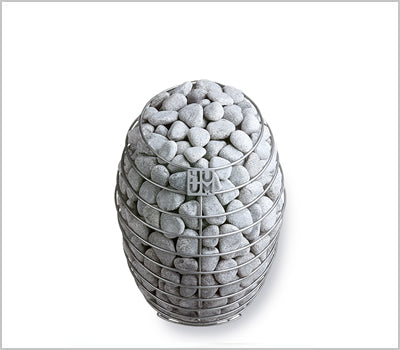
Your sauna heater needs to be sized correctly for your room volume. The general rule is 1 kW of heater power per 50 cubic feet of sauna space. So a 6x8-foot sauna with 7-foot ceilings (336 cubic feet) needs roughly a 6 to 7 kW heater.
Electric heaters need a dedicated 240V circuit with the appropriate wire gauge and breaker size. This is the one part of the build you should seriously consider hiring an electrician for. Getting the wiring wrong is a fire hazard.
Wood-burning stoves are another option for outdoor saunas, especially in off-grid locations. They add ambiance but require more effort to operate and a proper chimney installation with appropriate clearances from combustible materials.
Step 7: Ventilation
Every sauna needs air exchange. Install a lower intake vent near the heater (about 6 inches from the floor) and an upper exhaust vent on the opposite wall (about 6 inches from the ceiling). This creates natural convection that circulates fresh air without killing the heat.
Without ventilation, the air gets stale and the oxygen level drops. You'll feel sluggish and headachy instead of relaxed. Most commercial saunas include ventilation by design, but DIY builds often skip it.
Step 8: Exterior and Weatherproofing
Wrap the exterior in house wrap or a breathable weather barrier. Add exterior siding - cedar lap siding, board and batten, or even corrugated metal all work. The key is keeping rain and snow out while letting the wall assembly breathe from the outside.
Roof pitch should be steep enough to shed water and snow. A minimum 4/12 pitch works for most climates. Use proper roofing material and flash around any chimney penetrations.
Should You Build or Buy?
Here's the honest math. A custom DIY outdoor sauna typically costs $3,000 to $6,000 in materials alone, plus 80 to 150 hours of labor. And that assumes you don't make expensive mistakes along the way.
A pre-built outdoor sauna kit from a reputable manufacturer runs $4,000 to $10,000, comes with everything engineered to work together, and goes up in a weekend. The vapor barrier is in the right place. The ventilation is designed correctly. The heater is properly sized.
If you love building things and have the skills, go for the DIY route. If you want a sauna that works perfectly from day one without the learning curve, a pre-built kit saves time, reduces risk, and often costs less than you'd expect once you factor in all the materials for a ground-up build.
Either way, having a sauna in your backyard changes your daily routine in the best way possible.
Try Our Free Tools
Browse our expert-tested cold plunge collection.