How to Build a Sauna: The Complete Step-by-Step Guide
Building a sauna at home sounds like a massive project. And honestly, if you're starting from raw lumber and a blank blueprint, it can be. But here's the thing most people don't realize: you don't have to build one from scratch. Prefab sauna kits have gotten so good that most homeowners can have a working sauna assembled in a single weekend.
Quick Answers
How much does it cost to build a sauna?
A fully custom sauna build, including framing, insulating, finishing, heater, and electrical, typically runs $4,000-$10,000 for a 4-person unit. A prefab kit in the same size costs $3,500-$7,000 and arrives with pre-cut panels, a heater, and hardware included, saving both money and time.
What size heater does a sauna need?
A 4.5kW electric heater handles most small saunas up to about 200 cubic feet. Larger rooms need 6kW to 9kW units. Heater size determines the electrical circuit required, ranging from a 30-amp circuit for small heaters up to a 50-amp circuit for large ones.
What wood should I use for sauna paneling?
Western red cedar is the classic choice because it resists rot, handles heat well, and stays cool to the touch. Nordic spruce, hemlock, and basswood are also good options. Avoid pine, oak, or other high-sap hardwoods, since they bleed resin at sauna temperatures and can burn skin.
Do I need an electrician to install a sauna heater?
Yes, it's strongly recommended. Sauna heaters need a dedicated 240V circuit, GFCI protection, and correctly rated wiring, and most areas require a permit and inspection. A licensed electrician typically charges $200-$500 for the installation, which is inexpensive compared to the risk of fire or a code violation.
Should I build a sauna from scratch or buy a kit?
Most homeowners are better off with a prefab kit, since panels arrive pre-framed, pre-insulated, and ready to assemble in a single weekend. Building from scratch requires framing, insulating, vapor barriers, and finish carpentry, and it costs about the same or more than a quality kit once time is factored in.
Still, whether you go the full custom route or pick up a kit, you need to understand the basics. This guide walks through every step of the process so you know exactly what you're getting into.
Shop all saunas at SweatDecks
- FD-1 Full-Spectrum Infrared Sauna - $4,695
- FD-3 Full Spectrum Infrared Sauna - $6,495
Affirm financing available. Free curbside shipping on orders over $5,000. See all all saunas.
Step 1: Planning Your Sauna Build
Before you buy a single board, you need to answer a few questions.
Indoor or Outdoor?
Indoor saunas are easier to connect to your home's electrical panel and plumbing. They work well in basements, garages, or spare bathrooms. The downside? You need proper ventilation to handle the heat and moisture, and you're giving up living space.
Outdoor saunas give you more flexibility on size and don't require sacrificing a room. But they need a foundation, weatherproofing, and a longer electrical run from your panel. Most outdoor builds cost $500-$2,000 more than indoor builds once you factor in the foundation and weatherproofing.
What Size Do You Need?
A 1-2 person sauna needs roughly 16-20 square feet of floor space (about 4'x4' or 4'x5'). A 4-person family sauna runs closer to 36-48 square feet (6'x6' or 6'x8'). Ceiling height should be 7 feet - tall enough to sit comfortably on an upper bench without hitting your head.
Heater Type
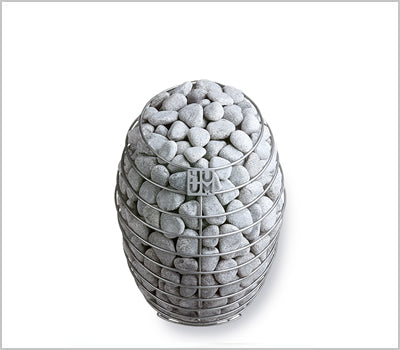
Electric heaters are the most common choice for home saunas. They're clean, easy to control, and don't require a chimney. A 4.5kW heater handles most small saunas (up to about 200 cubic feet). Larger rooms need 6kW-9kW units. Wood-burning stoves give you that traditional feel but need a flue, more clearance, and regular maintenance.
Budget Reality Check
A fully custom sauna build - framing, insulating, finishing, heater, electrical - typically runs $4,000-$10,000 for a 4-person unit. A quality prefab sauna kit in the same size? $3,500-$7,000, and it arrives with pre-cut panels, a heater, and hardware included. That price gap gets even wider when you factor in the time savings.
Step 2: Building the Foundation
Indoor Foundation
If you're building inside, your existing concrete basement floor or tile bathroom floor works fine. Just make sure it's level. A sauna floor doesn't need to be insulated the way walls and ceiling do - in fact, a cooler floor is more comfortable on bare feet.
For bathroom conversions, consider adding a slight slope toward a floor drain. Saunas produce some condensation, and having drainage prevents moisture from pooling.
Outdoor Foundation
Outdoor saunas need a solid, level foundation. You have three main options:
- Concrete slab: The gold standard. Pour a 4" thick slab with gravel base. Cost: $500-$1,000 for a 6'x8' pad.
- Concrete pavers: Lay 2" thick pavers on a compacted gravel bed. Easier DIY option. Cost: $200-$500.
- Deck blocks or pier blocks: Set pressure-treated joists on concrete pier blocks. Good for uneven terrain. Cost: $150-$400.
Whatever you choose, the foundation needs to be level within 1/4" across its full span. An unlevel foundation means doors that won't close properly and gaps in your panel joints.
Step 3: Framing the Walls
If you're building from scratch, frame with standard 2x4 studs at 16" on center. This gives you 3.5" of cavity depth for insulation - plenty for a sauna. Use kiln-dried lumber only. Green or wet lumber will warp badly once you start heating the room to 170-190 degrees.
Ceiling joists should also be 2x4 at 16" on center. Remember that heat rises, so the ceiling is actually the most critical surface to insulate properly.
If you're using a DIY sauna kit, skip this step entirely. Kit panels come pre-framed and pre-insulated. You're basically connecting wall sections with screws and brackets.
Step 4: Insulation and Vapor Barrier
This is where a lot of DIY sauna builds go wrong. Regular fiberglass batt insulation works fine in the wall cavities - use R-13 for walls and R-19 or higher for the ceiling. But you absolutely need a vapor barrier on the warm side (inside) of the insulation.
Use aluminum foil vapor barrier, not standard polyethylene sheeting. Foil reflects radiant heat back into the sauna, making your heater more efficient. It also handles the temperature extremes better than plastic. Overlap seams by at least 2 inches and seal with aluminum foil tape.
Common mistake: putting the vapor barrier on the cold side. This traps moisture inside your wall cavity and leads to mold. The foil goes between the insulation and the interior paneling, period.
Step 5: Interior Paneling
Western red cedar is the classic choice. It's naturally rot-resistant, smells great, handles heat well, and doesn't get painfully hot to touch. Tongue-and-groove boards in 1/4" or 3/8" thickness are standard.
Other good options:
- Nordic spruce: Lighter color, slightly cheaper than cedar. Very common in Finnish saunas.
- Hemlock: Budget-friendly, minimal scent, holds up well to heat.
- Basswood: Almost no scent, great for people with wood allergies or sensitivities.
Never use pine, oak, or any hardwood with high sap content. These will bleed resin at sauna temperatures and can burn skin on contact.
Install paneling horizontally with small gaps (about 1/8") at the floor and ceiling to allow air circulation behind the boards. Nail through the tongue of each board so nails are hidden. Use stainless steel or galvanized nails only - regular steel will rust.
Step 6: Electrical Work
This is the one step where you should seriously consider hiring a licensed electrician. Sauna heaters draw significant power:
- Small heaters (4.5kW): 240V, 30-amp dedicated circuit
- Medium heaters (6kW): 240V, 40-amp dedicated circuit
- Large heaters (9kW): 240V, 50-amp dedicated circuit
You'll need a dedicated circuit from your electrical panel to the sauna, GFCI protection, and proper wire gauge rated for the amperage and distance. Most jurisdictions require a permit for this work, and inspectors will check it.
A professional electrician typically charges $200-$500 for sauna heater installation, depending on the distance from your panel. That's cheap insurance against a fire or code violation.
Step 7: Benches and Finishing Touches
Sauna benches should be built from the same wood as your walls. Standard bench depth is 24 inches (deep enough to sit or lie down). Upper bench should be 36-42 inches off the floor, with a lower bench at 18-20 inches.
Leave gaps between bench boards (about 1/4") for air circulation. Attach benches with screws driven from underneath so there's no exposed hardware on the sitting surface.
Other finishing details:
- Door: Use a tempered glass door or solid wood door with a tempered glass window. Doors must swing outward for safety.
- Lighting: Use sauna-rated light fixtures only. Standard fixtures will fail in the heat. LED sauna lights are the most reliable option.
- Vent: Install a lower intake vent near the heater and an upper exhaust vent on the opposite wall. This creates natural convection airflow.
Why Sauna Kits Make More Sense for Most People
Let's be real. Building a sauna completely from scratch is a serious woodworking project. You need to source the right lumber, cut every board, get the insulation and vapor barrier perfect, and handle all the finishing work. For experienced builders, it's rewarding. For everyone else, it's 40-80 hours of labor and a lot of room for error.
Sauna kits eliminate most of that complexity. The panels arrive pre-built with insulation and vapor barrier already installed. The wood is kiln-dried and precision-cut. You get the heater, controls, benches, door, and hardware all matched to the room size. Most kits go together in 4-8 hours with basic tools.
The quality argument used to favor custom builds, but that's changed. Modern kit manufacturers use the same premium cedar and Nordic spruce you'd buy for a custom build. The joinery is actually more precise because it's factory-cut, and the insulation values are consistent across every panel.
Check out our DIY sauna kits if you want the satisfaction of building it yourself without the headache of designing it from zero. Or browse our outdoor saunas if you want a turnkey solution that arrives ready to assemble.
Final Tips Before You Start
- Check local building codes. Some areas require permits for sauna construction, especially for electrical work and outdoor structures.
- Plan your electrical early. The distance from your panel to your sauna affects wire gauge and cost. Shorter runs are cheaper.
- Don't skip the vapor barrier. This is the number one cause of premature rot in DIY saunas.
- Ventilation matters. A sauna without proper airflow feels stuffy and doesn't heat evenly.
- Budget for accessories. A thermometer/hygrometer, bucket and ladle, headrests, and backrests add $100-$300 to your total but make the experience dramatically better.
Building a sauna is one of those projects that pays for itself in relaxation, recovery, and health benefits. Whether you go full custom or take the kit route, you'll have something in your backyard (or basement) that most people only get to use at a gym or spa.
Browse our expert-tested cold plunge collection.