How Much Electricity Does a Sauna Use? Real Cost Breakdown
One of the most common questions before buying a home sauna: how much will it cost to run? The answer is probably less than you think.
A typical sauna session costs between $1 and $3 in electricity. Monthly costs range from $10 to $60 depending on how often you use it and what kind of heater you have. Here are the real numbers.

Shop all saunas at SweatDecks
- FD-1 Full-Spectrum Infrared Sauna - $4,695
- FD-3 Full Spectrum Infrared Sauna - $6,495
Affirm financing available. Free curbside shipping on orders over $5,000. See all all saunas.
Electric Sauna Heater Ratings
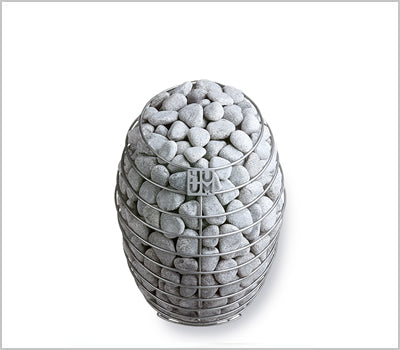
Electric sauna heaters are rated in kilowatts (kW). The rating tells you how much power the heater draws at full output. Home sauna heaters typically range from 3 kW to 12 kW.
- Small sauna (2-3 person) - 3-6 kW heater
- Medium sauna (4-6 person) - 6-9 kW heater
- Large sauna (6-8 person) - 9-12 kW heater
Infrared saunas use significantly less power - typically 1.5-3 kW for a 2-4 person unit. They heat your body directly instead of heating the entire room, so they need less energy overall.

Cost Per Session
Here's the math. The average U.S. electricity rate is about $0.16 per kilowatt-hour (kWh) as of early 2026. Your rate varies by state - from $0.10 in states like Louisiana to $0.35+ in Hawaii and California.
A typical sauna session includes preheat time (30-45 minutes) plus session time (20-40 minutes). Once the sauna reaches temperature, the heater cycles on and off rather than running at full power continuously. Most heaters run at about 60-70% of their rated capacity averaged across a full session.
Example: 6 kW heater, 1-hour total time (preheat + session)
- Average draw: 6 kW x 0.65 = 3.9 kWh per session
- Cost at $0.16/kWh: $0.62 per session
- Cost at $0.25/kWh (CA, NY): $0.98 per session
- Cost at $0.35/kWh (HI): $1.37 per session
Example: 9 kW heater, 1-hour total time
- Average draw: 9 kW x 0.65 = 5.85 kWh per session
- Cost at $0.16/kWh: $0.94 per session
- Cost at $0.25/kWh: $1.46 per session
- Cost at $0.35/kWh: $2.05 per session
Example: Infrared sauna, 1.8 kW, 45-minute session
- Draw: 1.8 kW x 0.75 hours = 1.35 kWh per session
- Cost at $0.16/kWh: $0.22 per session
- Cost at $0.25/kWh: $0.34 per session
Monthly Cost Estimates
Here's what you'll actually see on your electricity bill based on how often you sauna. These figures use a 6 kW traditional heater at the national average rate of $0.16/kWh.
| Usage Frequency | Sessions/Month | Monthly Cost ($0.16/kWh) | Monthly Cost ($0.25/kWh) |
|---|---|---|---|
| Occasional (2x/week) | 8 | $5.00 | $7.80 |
| Regular (3x/week) | 13 | $8.10 | $12.70 |
| Frequent (5x/week) | 22 | $13.70 | $21.50 |
| Daily | 30 | $18.70 | $29.30 |
For a larger 9 kW heater, multiply these numbers by about 1.5. For an infrared sauna, cut them by 60-70%.
To put this in perspective: running a sauna 3 times a week costs about as much as a single cup of coffee per week. A daily habit costs less than a basic streaming subscription.
120V vs 240V: What's the Difference?
This matters more for installation than operating cost, but it affects your heater options.
120V Heaters (Standard Outlet)
- Max capacity: typically 4.5 kW
- Best for: small saunas (2-3 person), infrared saunas
- Plugs into a standard household outlet (with dedicated circuit)
- Longer preheat time - 45-60 minutes
- Lower upfront installation cost - no electrician needed in many cases
240V Heaters (Dedicated Circuit)
- Capacity: 4.5-12 kW
- Required for: medium and large saunas
- Needs a dedicated 240V circuit installed by an electrician
- Faster preheat - 30-40 minutes
- Electrician installation costs $200-$500 for the circuit
Operating cost is the same for equal-wattage heaters on either voltage. A 4.5 kW heater on 120V uses the same electricity as a 4.5 kW heater on 240V. The difference is that 240V allows you to use larger, more powerful heaters that 120V circuits can't support.
If you're buying a 2-person indoor sauna, 120V is fine and keeps installation simple. For a 4+ person sauna or any outdoor sauna, you'll want 240V for adequate heating power.
Tips to Reduce Sauna Electricity Costs
If you want to minimize the energy bill:
- Insulate properly - A well-insulated sauna reaches temperature faster and holds heat longer. The heater cycles less frequently, saving energy. Check walls, ceiling, and especially the door seal.
- Don't overheat - Running at 195°F instead of 175°F uses significantly more electricity. For most people, 170-180°F delivers all the benefits without the extra power draw.
- Batch your sessions - If multiple family members use the sauna, go back-to-back. The sauna is already hot, so the second person's session costs almost nothing extra in electricity.
- Use a timer - Many heaters have built-in timers. Set it to preheat so the sauna is ready when you are, but it turns off automatically if you forget.
- Choose the right size heater - An oversized heater for a small sauna wastes energy. An undersized heater for a large sauna runs constantly and never reaches proper temperature. Match the heater kW to your sauna's cubic footage.
- Consider infrared - If electricity cost is a primary concern, infrared saunas use 50-70% less energy per session than traditional electric heaters.
Sauna vs Other Home Appliances
For context, here's how a sauna compares to other things you're already running:
- Hot tub - $40-80/month (runs 24/7 to maintain temperature)
- Home sauna (3x/week) - $8-13/month
- Pool pump - $30-60/month
- Clothes dryer - $10-25/month (5 loads/week)
- Space heater - $20-40/month (running 4 hours/day)
A sauna is one of the cheapest wellness investments to operate. It costs a fraction of what a hot tub pulls in electricity, and unlike a hot tub, you only use power when you're actually using it.
The Bottom Line
A home sauna adds $5-$30 per month to your electricity bill depending on your heater size, local rates, and usage frequency. Most people spend more on coffee in a week than they spend on sauna electricity in a month.
The electricity cost shouldn't be the deciding factor in whether to get a home sauna. It's one of the cheapest parts of the equation - the sauna itself, installation, and your time are all bigger investments.
Try Our Free Tools
Browse our expert-tested cold plunge collection.