Radiant Heat: How Infrared Saunas and Hot Stones Warm You Directly
Radiant heat is thermal energy transferred through electromagnetic radiation - it travels in waves directly from a hot surface to your body without needing to heat the air in between. You feel radiant heat when you stand near a campfire or sit close to hot sauna stones. It's the same principle that makes the sun warm your face on a cold day even though the air around you is freezing.
Quick Answers
What is radiant heat?
Radiant heat is thermal energy transferred through electromagnetic radiation, traveling in waves directly from a hot surface to your body without needing to heat the air in between. It is the same principle that lets the sun warm your face on a cold day, or a campfire warm your skin, even when the surrounding air stays cool.
How does radiant heat work in a traditional sauna?
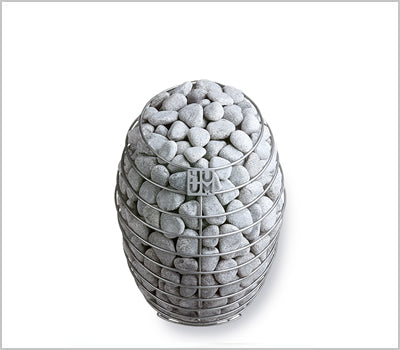
In a traditional Finnish sauna, radiant heat comes primarily from the hot stones and heater body, which glow at 500-800F and radiate infrared energy outward. Sitting close to the heater lets you feel this warmth on the side of your body facing it, even before the air reaches full operating temperature.
Why do infrared saunas run at lower temperatures?
Infrared saunas rely almost entirely on radiant heat, with heating panels that emit infrared radiation directly into your skin rather than heating the surrounding air. This is why they operate at only 120-150F, much cooler than traditional saunas, since your body absorbs and converts the radiation to heat instead of the air doing the work.
What is the difference between radiant, convective, and conductive heat in a sauna?
Radiant heat comes from stones or panels radiating energy toward you, convective heat comes from hot air circulating around your body, and conductive heat comes from direct contact with a hot bench. A traditional sauna combines all three, while infrared saunas prioritize radiant heat almost exclusively.
Shop infrared saunas at SweatDecks
- FD-1 Full-Spectrum Infrared Sauna - $4,695
- FD-3 Full Spectrum Infrared Sauna - $6,495
Affirm financing available. Free curbside shipping on orders over $5,000. See all infrared saunas.
Radiant Heat in Different Sauna Types
In a traditional Finnish sauna, radiant heat comes primarily from the hot stones and heater body. The stones glow at 500-800F and radiate infrared energy outward. If you sit close to the heater, you'll feel the radiant warmth on the side of your body facing it, even before the air temperature reaches full operating temperature.
Infrared saunas rely almost entirely on radiant heat. Their heating panels emit infrared radiation that penetrates your skin and heats your body directly, operating at much lower air temperatures (120-150F) than traditional saunas. The air stays cooler because infrared energy passes through it without much absorption - it's your body that absorbs and converts the radiation to heat.
How Radiant Heat Differs from Convective and Conductive Heat
In a traditional sauna, you're experiencing all three heat transfer modes simultaneously. Convective heat comes from hot air circulating around your body. Conductive heat comes from direct contact with the hot bench. Radiant heat comes from the stones and heater radiating energy toward you. The combination of all three is what creates the full-body, enveloping heat of a traditional sauna.
Infrared saunas prioritize radiant heat above the other modes. Some people prefer this because the lower air temperature is easier to breathe in. Others find it lacks the intense atmospheric heat of a traditional sauna. Neither is objectively better - they're different experiences targeting different preferences.
Related Terms
Choose Your Heat Style
Whether you prefer the radiant warmth of infrared or the full-spectrum heat of a traditional sauna, we have you covered. Explore our outdoor saunas and infrared saunas to find your ideal setup.
How to Use This Guide
Use this guide as a practical starting point, then confirm product specifications, installation requirements, electrical needs, water care steps, and medical considerations with the appropriate professional before making a final decision.
Where SweatDecks Can Help
SweatDecks helps shoppers compare saunas, cold plunges, heaters, accessories, delivery requirements, and setup considerations so the finished wellness space is easier to buy, install, and maintain.
Practical Buying Context
When comparing sauna, cold plunge, heater, steam, or accessory options, review the product specifications, installation manual, warranty terms, delivery requirements, maintenance routine, and compatibility details before choosing a model. The right answer often depends on available space, power, plumbing, climate, budget, and who will use the setup.
When to Get Professional Help
Use qualified professionals for electrical work, plumbing, structural support, ventilation, medical questions, and local code requirements. SweatDecks can help with product research and planning questions, but final installation and safety decisions should match the manufacturer instructions and applicable local requirements.
Decision Checklist
Before acting on this topic, compare the relevant product specifications, space requirements, care routine, warranty terms, replacement parts, and installation constraints. For health, electrical, plumbing, structural, or code questions, confirm details with the appropriate qualified professional.
Related SweatDecks Research Paths
Most sauna and cold plunge decisions connect to a few core questions: how much space you have, how often the setup will be used, what maintenance feels realistic, and whether the product fits your budget, climate, delivery path, and long-term wellness routine.
What to Verify Before You Decide
Use this article as a starting point, then check current product specifications, manufacturer instructions, delivery requirements, warranty terms, and maintenance expectations. Sauna and cold plunge projects can involve heat, water, electricity, ventilation, structural support, and personal health considerations, so the best next step is often to confirm details with the appropriate qualified professional before purchase or installation.
How This Connects to a Home Wellness Setup
The strongest buying decisions balance comfort, safety, durability, budget, and daily usability. SweatDecks helps shoppers compare sauna, cold plunge, steam, heater, chiller, and accessory options so the finished setup fits the space, routine, and long-term ownership plan.
Browse our expert-tested cold plunge collection.