Electric Traditional Sauna vs Infrared Sauna: Which Type Is Right for You?
This is probably the most common question in the sauna world, and the most debated. Electric traditional saunas heat the air to 150-190F using stones on an electric heater. Infrared saunas use infrared panels to heat your body directly at lower air temperatures of 110-150F. Same word (sauna), different experience, different mechanisms, different results.
Quick Answers
What are the power requirements for an infrared sauna?
Most infrared saunas run on a standard 120V outlet, though some models use 240V. This makes them far easier to install than traditional saunas, which need a dedicated 240V, 30-40 amp circuit. No special ventilation is required for infrared units.
How much electricity does an infrared sauna use?
Infrared saunas use about 1.5-3 kWh per session, roughly half the energy of an electric traditional sauna, which uses 3-6 kWh per session. The lower air temperature (110-150F versus 150-190F) means the heater works less to maintain heat.
What is the difference between an infrared and electric heater sauna?
An electric traditional sauna heats stones with an electric heater, warming the air to 150-190F, with the option to add steam. An infrared sauna uses panels that heat your body directly at 110-150F, with no stones or steam involved.
Do infrared saunas use a lot of electricity?
No, infrared saunas use less electricity than traditional saunas, typically 1.5-3 kWh per session compared to 3-6 kWh for an electric traditional sauna. Many infrared models plug into a standard 120V outlet rather than requiring a dedicated circuit.
Is an infrared sauna or electric sauna better?
It depends on your priorities. Electric traditional saunas have stronger, decades-long research backing and a more intense heat experience, while infrared saunas are more tolerable, cheaper to run, and easier to install. Both offer real benefits, but traditional has the deeper evidence base.
Shop infrared saunas at SweatDecks
- FD-1 Full-Spectrum Infrared Sauna - $4,695
- FD-3 Full Spectrum Infrared Sauna - $6,495
Affirm financing available. Free curbside shipping on orders over $5,000. See all infrared saunas.
How Electric Traditional Saunas Work
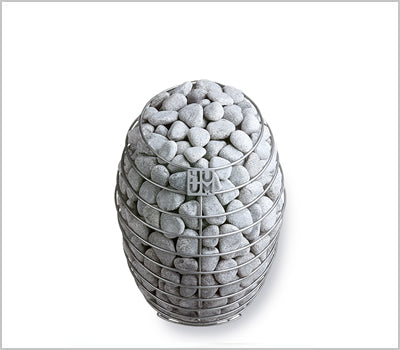
An electric heater warms a pile of sauna stones. The stones radiate heat into the room, raising the air temperature to 150-190F. You can throw water on the hot stones to create steam (loyly), which temporarily spikes the perceived temperature and humidity. Your body heats from the outside in - hot air warms your skin, blood carries that heat inward, and your core temperature rises 2-3F over a 15-25 minute session.
The experience is intense. The air is genuinely hot. Breathing feels different. Steam on the rocks creates bursts of intense humid heat that makes your skin tingle. Your heart rate climbs to 100-150 bpm. You sweat heavily from every pore. It's the experience that Finns have refined over 2,000 years, and it's what most sauna research has studied.
How Infrared Saunas Work
Infrared panels (carbon fiber or ceramic) emit far-infrared or near-infrared radiation that penetrates your skin 1.5-3 inches, warming tissue directly without heating the air as much. The air temperature stays at 110-150F, which feels much more tolerable. Your body still sweats and your heart rate still increases, but the response is milder than in a traditional sauna at 180F.
There are no stones, no steam, no water-throwing ritual. The panels are either behind the walls or mounted as visible heaters. The experience is more like sitting in a warm room than sitting in a genuinely hot one. Many people find infrared more comfortable, especially those who don't tolerate high-temperature environments well.
The Research Gap
This is the elephant in the room. The vast majority of sauna research - including the landmark Finnish studies showing 50% cardiovascular mortality reduction, lower dementia rates, and reduced pneumonia - was conducted with traditional high-temperature saunas. Not infrared.
Infrared sauna research exists but is much smaller in scope, shorter in duration, and less conclusive. Some studies show benefits for chronic pain, blood pressure, and cardiovascular function. But the long-term longitudinal data that makes traditional sauna research so compelling simply doesn't exist yet for infrared saunas.
This doesn't mean infrared saunas don't work. It means we can't assume they produce the same results at the same magnitude. The thermal stress at 130F is meaningfully different from 180F, and the body's response scales with intensity.
Electric Traditional vs Infrared Sauna Comparison
| Factor | Electric Traditional | Infrared |
|---|---|---|
| Air Temperature | 150-190F | 110-150F |
| Core Temp Rise | 2-3F | 1-2F |
| Heart Rate During Session | 100-150 bpm | 80-120 bpm |
| Steam (Loyly) | Yes (water on stones) | No (no stones) |
| Heat-Up Time | 30-45 minutes | 10-20 minutes |
| Session Length | 15-25 minutes | 30-45 minutes |
| Sweat Output | Heavy (full body) | Moderate to heavy (takes longer) |
| Research Backing | Strong (decades, thousands of subjects) | Growing (limited scope so far) |
| Energy Use Per Session | 3-6 kWh | 1.5-3 kWh |
| Electrical Requirement | 240V, 30-40 amp circuit | Most run on 120V or 240V |
| Price Range | $3,500-$10,000 | $1,500-$6,000 |
The Experience Difference
This matters more than specs. Using a traditional sauna is an event. The heat hits you when you open the door. The stones glow. You throw water and feel the steam wash over you. The air is thick and hot. You feel genuinely challenged, and the relief of stepping outside into cool air is exhilarating. Multiple rounds of hot-cold-hot create a rhythm that's meditative and deeply satisfying.
An infrared sauna is more like a warm room. You sit in moderate heat, gradually build a sweat, and relax. It's comfortable, gentle, and easy to endure for longer sessions. There's no dramatic temperature contrast when you step out. It's calmer and milder in every way.
Some people love the intensity of traditional. Some prefer the gentle approach of infrared. This comes down to personal preference, and it's worth experiencing both before deciding.
Health Benefits Breakdown
Where Traditional Wins
- Higher cardiovascular training effect (greater heart rate increase)
- More heat shock protein production (greater thermal stress)
- Stronger growth hormone response
- Respiratory benefits from steam inhalation
- Decades of long-term outcome research
- Greater core temperature increase
Where Infrared Holds Its Own
- Chronic pain management (several supportive studies)
- More tolerable for heat-sensitive individuals
- Lower energy consumption per session
- Faster heat-up time
- More accessible (many run on standard outlets)
- Longer sessions may be easier to sustain
Installation and Practical Differences
Infrared saunas are easier to install. Many 1-2 person models plug into a standard 120V outlet, need no special ventilation, and can fit in a corner of a bedroom or home office. They're essentially furniture.
Traditional saunas need a dedicated 240V circuit, proper ventilation for the heated air, and more robust construction to handle the higher temperatures and humidity. Outdoor traditional saunas need weather-appropriate wood construction. The installation is more involved but the end result is more capable.
The Verdict
If you want the strongest documented health benefits, the most intense heat experience, and the ability to use steam, go traditional electric. The research is deeper, the physiological response is stronger, and the experience is what sauna culture has been built around for millennia.
If you're heat-sensitive, want the simplest possible installation, prefer gentle warmth over intense heat, or have electrical limitations (no 240V circuit), infrared is a reasonable choice that still delivers real benefits.
Both are better than no sauna at all. But if you're investing in a sauna for long-term health returns, the traditional electric sauna backed by decades of research is the stronger bet.
Shop Traditional Electric Saunas
Our outdoor saunas, barrel saunas, and indoor saunas are built from FSC-certified, heat-treated Canadian hemlock and ship with Harvia or Huum electric heaters that deliver the full traditional sauna experience.
Free shipping on orders over $5,000. HSA/FSA eligible through TrueMed. 0% APR Affirm financing.
Try Our Free Tools
Browse our expert-tested cold plunge collection.