Cold Plunging in Winter: Tips for Cold Weather Immersion
Winter cold plunging is a different experience than summer dips. The ambient air temperature adds a layer of challenge (and benefit) that changes how you approach your practice. The water might be colder than your chiller even sets it. The walk from your house to the plunge is itself a cold exposure. And getting out means facing cold air on wet skin.
Quick Answers
Is cold plunging in winter safe?
Yes, with proper precautions. Never plunge alone, prepare warming supplies beforehand, watch for icy surfaces, set a firm timer, and shorten sessions when water is colder than usual. Risk is higher in winter because both water and air temperatures drop, so knowing hypothermia signs and reducing session time accordingly matters more than in summer.
How long should you cold plunge in winter?
Cut your normal time roughly in half when water is significantly colder than usual. If you typically do a few minutes at 50°F, shorten to 1-3 minutes when water drops to 33-40°F. Cold dulls time perception, so use a visible timer and exit when it goes off rather than judging by feel.
How do you maintain a cold plunge in freezing weather?
Keep the chiller and circulation system running continuously for freeze protection rather than shutting it off. Use an insulated cover when not in use to prevent ice formation and reduce chiller load, inspect fittings periodically since cold causes seals to contract, and keep the surrounding path clear of snow and ice.
Can cold plunging help with winter depression?
It may help as a complement to other treatments, not a replacement. Cold plunging boosts norepinephrine, which can counter winter lethargy, and the forced breathing and presence it requires can interrupt rumination. The article notes it can be a meaningful addition to light therapy for people with seasonal affective disorder.
What's a good winter sauna and cold plunge routine?
A typical winter contrast routine is 15-20 minutes in a 170-190°F sauna, followed by 1-3 minutes in the cold plunge, then 5-10 minutes resting in a warm robe. Repeat for 2-3 rounds and finish with a final sauna round before cooling down gradually indoors.
But winter is also when cold plunging arguably matters most. Shorter days, less sunlight, holiday stress, and seasonal lethargy all respond well to the norepinephrine surge and mood boost that cold immersion delivers.

Water Temperature in Winter
If you have a cold plunge with a chiller, your water temperature stays consistent year-round - that's the point of the chiller. But if you're using a natural body of water, a stock tank, or a tub without active chilling, winter changes things significantly.
Outdoor water in winter can drop to 33-40°F depending on your climate. That's substantially colder than the 45-55°F that most people target. At these temperatures, the cold shock response is more intense, hypothermia risk is real, and the margin for error shrinks.
If your unregulated water drops below 40°F, shorten your immersion time accordingly. Two minutes at 50°F is not the same as two minutes at 35°F. Cut your normal time in half when the water is significantly colder than what you're used to.

Safety Precautions for Winter Plunging
- Never plunge alone in winter. The risk of cold shock incapacitation is higher when both water and air are cold. Have someone present who can help if you have trouble getting out.
- Prepare your warming station. Before you plunge, set up everything you need to warm up: towels, warm clothes, a robe, slippers, and optionally a heated sauna ready to enter. Fumbling with zippers with numb hands in freezing air is no fun.
- Watch for ice. Surfaces around your plunge can be icy. Non-slip mats, salt, or sand around the entry point prevent dangerous falls. Ice on wet skin is especially slippery.
- Don't submerge your head. Cold water on the face triggers the dive reflex, which is fine, but full head submersion in near-freezing water carries additional hypothermia risk and can cause dangerous blood pressure spikes.
- Set a firm timer. Cold dulls your time perception. What feels like two minutes might be five. Use a visible timer and get out when it goes off, no exceptions.
- Know the signs of hypothermia. Uncontrollable shivering, slurred speech, confusion, clumsiness, and drowsiness are all signs you've been in too long or haven't warmed up adequately. These require immediate warming.
The Sauna-Cold Plunge Winter Combo
Winter is the best season for contrast therapy. The combination of a hot sauna and cold plunge is at its most dramatic and effective when outdoor temperatures are low.
A typical winter contrast routine:
- Sauna: 15-20 minutes at 170-190°F
- Cold plunge: 1-3 minutes (shorter than summer due to colder water)
- Rest: 5-10 minutes wrapped in a warm robe
- Repeat 2-3 rounds
- End with a sauna round and gradual cool-down indoors
The temperature differential between sauna and winter cold plunge can easily exceed 150°F. This extreme contrast creates the most powerful vascular workout, the biggest norepinephrine surge, and the deepest parasympathetic rebound. It's also incredibly invigorating - there's a reason Nordic cultures have been doing this for centuries.
Maintaining Your Cold Plunge in Winter
Freeze prevention. If your cold plunge is outdoors in a freezing climate, the chiller and plumbing need freeze protection. Most quality cold plunge systems have built-in freeze protection that circulates water when temperatures drop. Keep the system running - don't turn it off for extended periods in freezing weather.
Cover when not in use. An insulated cover prevents ice formation on the water surface and reduces the energy your chiller needs to maintain temperature. It also keeps debris out.
Check fittings. Cold weather can cause seals and fittings to contract. Inspect connections periodically for leaks that may develop as temperatures fluctuate.
Keep the area clear. Snow and ice buildup around the plunge creates a hazard. Keep the path between your house (or sauna) and the plunge clear and treated for traction.
Mental Health Benefits in Winter
Winter cold plunging addresses the exact issues that make winter hard for many people. The norepinephrine boost fights the lethargy and low motivation of short, dark days. The dopamine release counters the mood dip that comes with reduced sunlight. And the forced presence and breathing practice interrupts the rumination that feeds winter depression.
For people with seasonal affective disorder (SAD), a regular winter cold plunge practice can be a meaningful complement to light therapy and other treatments.
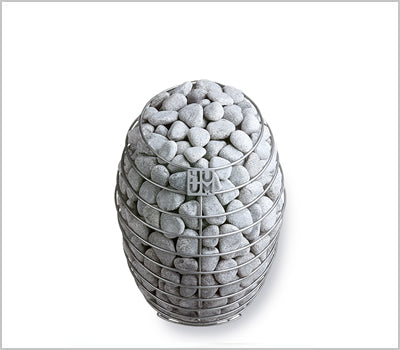
Our cold plunge tubs are built for year-round outdoor use with freeze-protected systems. Pair with an outdoor sauna for the ultimate winter contrast therapy setup. All saunas feature FSC-certified heat-treated Canadian hemlock with Harvia or Huum heaters. We offer 0% APR financing through Affirm and free shipping over $5,000.
Try Our Free Tools
Browse our expert-tested cold plunge collection.