Cold Plunge with Diabetes: Safety, Benefits, and Precautions
Cold water immersion is gaining attention for metabolic health, and people with diabetes are naturally curious. The research on cold exposure and glucose metabolism is genuinely promising - but diabetes adds specific risks that you need to understand before jumping in.
Quick Answers
Is cold plunging safe with diabetes?
It can be safe for many diabetics with proper precautions, though it carries specific risks including hypoglycemia, neuropathy-related cold injury, and cardiovascular stress. Check blood sugar before every session, start at 60-65°F, keep sessions short, keep fast-acting glucose nearby, and get medical clearance first.
Can cold plunging cause low blood sugar?
Yes, this is the most important risk for diabetics. Cold exposure activates brown fat and GLUT4 transporters, which lower blood glucose after the initial stress response fades. Combined with insulin or sulfonylureas, this effect can push blood sugar dangerously low, so monitoring before and after sessions is essential.
What blood sugar level is safe before a cold plunge?
Avoid plunging if glucose is below 100 mg/dL or above 250 mg/dL. Below 100 raises hypoglycemia risk once the cold's glucose-lowering effects kick in. Above 250, especially for type 1 diabetics, ketones may be present, making any added physiological stress risky.
Does cold exposure help insulin resistance?
Research suggests it may help. Cold activates brown adipose tissue and GLUT4 transporters on muscle cells, increasing glucose uptake without extra insulin. Over time this may improve insulin sensitivity, which is particularly relevant for type 2 diabetes where insulin resistance is the core problem.
Can people with diabetic neuropathy cold plunge?
They can, but with extra caution. Diabetic peripheral neuropathy reduces sensation in feet and hands, so you may not accurately feel how cold the water is, raising the risk of cold injury. Checking feet before and after sessions and reading a dedicated neuropathy guide is recommended.

Shop cold plunges at SweatDecks
- Glacier Cold Plunge Tub - $1,425
- Model S4N Cold & Hot Plunge Tub - $5,690
Affirm financing available. Free curbside shipping on orders over $5,000. See all cold plunges.
How Cold Exposure Affects Blood Sugar
Cold immersion triggers several metabolic responses relevant to diabetes:
Brown fat activation. Cold exposure activates brown adipose tissue (BAT), which burns glucose and fatty acids to generate heat. Studies show that cold-activated brown fat can improve glucose uptake and insulin sensitivity. This is one of the most researched connections between cold exposure and metabolic health.
GLUT4 transporter activation. Cold stress can activate GLUT4 glucose transporters on muscle cells, similar to exercise. This increases glucose uptake from the bloodstream without requiring additional insulin, which is particularly relevant for type 2 diabetes where insulin resistance is the primary issue.
Acute stress response. Cold immersion triggers an acute stress response including cortisol and adrenaline release. Both of these hormones raise blood sugar in the short term. For most people, this is a temporary blip that resolves quickly. For diabetics on insulin or certain medications, this spike needs monitoring.
Post-plunge glucose drop. After the initial stress response fades, many people experience a net decrease in blood glucose as the brown fat and GLUT4 effects take over. This can last for hours after the session.

Potential Benefits for Diabetics
Regular cold exposure may offer several benefits for people managing diabetes:
- Improved insulin sensitivity over time through repeated brown fat activation and GLUT4 recruitment
- Reduced chronic inflammation (lower CRP, IL-6) which drives insulin resistance
- Better autonomic nervous system function, which plays a role in glucose regulation
- Potential improvements in HbA1c with consistent practice (based on preliminary studies)
- Weight management support through increased calorie expenditure from thermogenesis
Risks Specific to Diabetes
Diabetes creates specific risks with cold plunging that healthy individuals don't face:
Hypoglycemia. If you take insulin or sulfonylureas, the glucose-lowering effect of cold exposure on top of your medication could push blood sugar dangerously low. This is the most important risk to manage.
Neuropathy. Diabetic peripheral neuropathy reduces sensation in feet and hands. You may not accurately feel how cold the water is, raising the risk of cold injury. If you have neuropathy, read our cold plunge and neuropathy guide for specific precautions.
Cardiovascular stress. Diabetes increases cardiovascular risk. The acute blood pressure spike from cold immersion adds stress to an already-burdened cardiovascular system. This is especially concerning for those with diabetic heart disease.
Slow wound healing. Diabetes impairs wound healing. If you have any cuts, blisters, or skin breaks (particularly on the feet), cold plunge water - even well-maintained - can introduce infection risk.
Safety Protocol for Diabetic Cold Plungers
- Talk to your endocrinologist. Get specific medical clearance. Discuss medication timing around cold plunge sessions.
- Check blood sugar before every session. Don't plunge if your glucose is below 100 mg/dL or above 250 mg/dL. Below 100, you risk hypoglycemia. Above 250, you may have ketones present (especially type 1), which makes any physiological stress risky.
- Start warm. Begin at 60-65°F and work down slowly. This gives you the metabolic benefits with less cardiovascular stress and more time to assess your response.
- Keep it short. Start with 60-90 seconds. Monitor glucose after each session to understand your personal response pattern.
- Have fast-acting glucose ready. Keep glucose tablets, juice, or candy within arm's reach. If you feel shaky, confused, or excessively cold, get out and check your sugar immediately.
- Check your feet. Inspect feet before plunging. Don't plunge with any open wounds, blisters, or skin breaks. After plunging, dry feet thoroughly and check for any signs of cold injury.
- Never plunge alone. Always have someone nearby who knows you're diabetic and can help if you have a low blood sugar episode.
- Track your data. Log blood sugar before and after each session for the first month. This data helps you and your doctor fine-tune your approach.
Type 1 vs. Type 2 Considerations
Type 2 diabetes: Cold plunging may be particularly beneficial because the insulin sensitivity improvements directly address the core problem. The risk of hypoglycemia is lower for those managed with diet, metformin, or GLP-1 agonists. Those on insulin or sulfonylureas need more caution.
Type 1 diabetes: The metabolic benefits are less directly applicable since insulin resistance isn't the primary issue. The hypoglycemia risk is higher because blood sugar can drop unpredictably. Cold plunging can still be enjoyable and offer anti-inflammatory and mood benefits, but requires very careful glucose monitoring.
Consider Adding Sauna
Sauna bathing also improves insulin sensitivity through heat shock protein production and GLUT4 activation, and it's generally safer for people with diabetic complications like neuropathy. A combination of sauna and cold plunge may provide the broadest metabolic benefit.
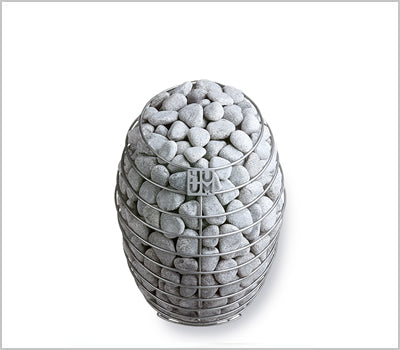
Our saunas are built from FSC-certified heat-treated Canadian hemlock with Harvia or Huum heaters. Browse our cold plunge tubs to complete your hot-cold setup. We offer 0% APR financing through Affirm, free shipping over $5,000, and HSA/FSA eligibility through TrueMed.
Cold plunging with diabetes requires more planning than it does for the general population, but it's not off-limits. With the right precautions and medical guidance, many diabetics are incorporating cold exposure safely and seeing real metabolic improvements.
Try Our Free Tools
Browse our expert-tested cold plunge collection.