Backyard Wellness Setup Guide: Sauna, Cold Plunge, and Recovery Space
The backyard wellness trend is not a trend anymore. It is how people are building their homes. A sauna, a cold plunge, and a place to rest between rounds - that combination used to require a gym membership or an expensive spa visit. Now you can build the whole setup in your backyard for less than the cost of a hot tub.
Quick Answers
What are the three parts of a backyard wellness setup?
A complete setup has three elements: a sauna for heat therapy at 170-190 degrees, a cold plunge tub at 38-45 degrees for contrast, and a rest area where you sit and recover between rounds. Together they form a circuit you move through repeatedly during a session.
How should I lay out a sauna and cold plunge in my yard?
Three common layouts work well: a triangle with 8-15 feet between sauna, cold plunge, and rest area for a natural circuit; a linear arrangement along a fence or patio for narrow yards; or a hub layout with the rest area centered between the sauna and cold plunge.
How much does a backyard sauna and cold plunge setup cost?
Budget setups run $3,500-$6,000 using an ice-method cold plunge without a chiller. Mid-range setups with an integrated chiller and paver pathways cost $7,000-$12,000. Premium setups with professional landscaping, a covered rest area, and outdoor shower run $15,000-$25,000 or more.
What electrical work does a sauna and cold plunge need?
The sauna typically needs a 240V, 30-50 amp dedicated circuit depending on heater size, while the cold plunge chiller needs a 120V, 15-20 amp GFCI-protected circuit. Running both at the same time saves on electrician visits. Total electrical budget is usually $500-$1,200 including outdoor lighting.
What is a typical sauna and cold plunge contrast therapy routine?
A standard protocol starts with preheating the sauna 20-30 minutes ahead, then alternating 10-20 minute sauna rounds with 2-4 minute cold plunges and 5-10 minute rest periods. Most people do 2-3 rounds, and the whole session takes 60-90 minutes.
This guide walks through how to plan, layout, and build a complete backyard wellness space that you will actually use every day.
Shop cold plunges at SweatDecks
- Glacier Cold Plunge Tub - $1,425
- Model S4N Cold & Hot Plunge Tub - $5,690
Affirm financing available. Free curbside shipping on orders over $5,000. See all cold plunges.
The Core Components
A complete backyard wellness setup has three elements:
1. Sauna (The Heat)
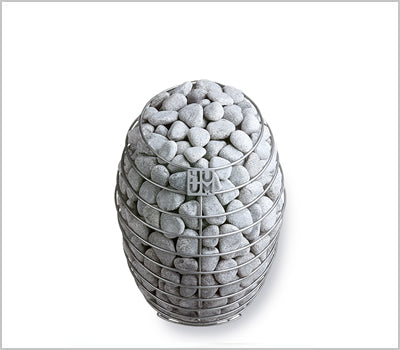
The centerpiece of your setup. An outdoor sauna heats to 170-190 degrees Fahrenheit and provides the deep heat therapy that drives the health benefits. Traditional saunas with Harvia or Huum heaters and FSC-certified heat-treated Canadian hemlock construction are the gold standard.
For a personal or couples setup: 4x5 or 4x6 feet. For families or entertaining: 6x6 or 6x8 feet.
2. Cold Plunge (The Cold)
A cold plunge tub at 38-45 degrees provides the contrast to the sauna's heat. The rapid shift from hot to cold is where the cardiovascular, recovery, and mental health benefits multiply. A chiller keeps the water cold 24/7 so it is always ready.
3. Rest Area (The Recovery)
Between sauna and cold plunge rounds, you need a place to sit, breathe, and let your body recalibrate. This can be as simple as a bench or Adirondack chair, or as elaborate as a covered lounge area with cushions. The rest period is when your body integrates the stress of heat and cold.
Layout Planning
How you arrange these elements matters for both the experience and the practicality of the setup.
The Triangle Layout
The most popular arrangement. Place the sauna, cold plunge, and rest area in a triangle with 8-15 feet between each point. This creates a natural circuit: sauna to cold plunge to rest area, then back to the sauna. Short walking distances between stations keep the experience flowing.
The Linear Layout
Arrange everything in a line along a fence or property edge: sauna, then cold plunge, then rest area. Works well for narrow yards or along a patio. The linear flow feels like moving through a spa experience.
The Hub Layout
Place the rest area (a deck or patio) in the center with the sauna on one side and the cold plunge on the other. The central rest area becomes the social hub where everyone converges between rounds.
Placement Considerations
- Privacy: You will be in a towel or swimsuit. Use fencing, landscaping, or the house itself as privacy screening.
- Electrical access: Both the sauna heater and the cold plunge chiller need power. Plan your electrical runs to reach both locations. Consolidating them reduces wiring costs.
- Drainage: The cold plunge needs occasional draining. The sauna produces some runoff. Place both where water drains away naturally or can reach a drain.
- Surface: Concrete, pavers, or decking around the stations. You will be walking between them barefoot and wet. Smooth, non-slip surfaces are essential.
- Setbacks: The sauna must meet property line setback requirements. The cold plunge typically does not have setback requirements but check local codes.
Building the Setup: Step by Step
Phase 1: Foundation and Hardscaping
Start with the ground work. Level the sauna pad, pour or lay the surface for the cold plunge area, and create pathways between stations. Gravel paths work well and drain naturally. Concrete or paver paths are more polished.
If you are pouring a patio or deck, design it to incorporate all three stations from the start. Retrofitting is more expensive than planning it correctly upfront.
Phase 2: Electrical
Run electrical for the sauna and cold plunge chiller simultaneously. This saves on electrician visits and allows the electrician to plan the most efficient routing.
- Sauna: 240V, 30-50 amp dedicated circuit (depends on heater size)
- Cold plunge chiller: 120V, 15-20 amp circuit (GFCI protected)
- Lighting: Outdoor-rated LED lighting along pathways and around the rest area. A separate 120V circuit or low-voltage landscape lighting system.
Total electrical budget: $500-$1,200 for both circuits plus outdoor lighting.
Phase 3: Sauna Installation
Assemble the sauna on its prepared foundation. A prefab sauna kit or pre-built outdoor sauna goes up in a day. The electrician connects the heater to the prepared circuit. Fire it up and test.
Phase 4: Cold Plunge Setup
Place the cold plunge tub on its level surface. Connect the chiller, fill with water, and set the target temperature. The chiller needs 4-12 hours for initial cool-down. Add water treatment as needed.
Phase 5: Rest Area and Finishing
Set up your rest area furniture. Add outdoor lighting along pathways. Install any privacy screening (fence panels, lattice, plantings). Add hooks for towels and robes near each station. Consider an outdoor shower for rinsing between rounds.
The Contrast Therapy Protocol
Once everything is set up, here is the standard protocol:
- Preheat the sauna 20-30 minutes before your session
- Sauna round 1: 15-20 minutes at 170-190 degrees. Pour water on the stones for steam if desired.
- Cold plunge: 2-4 minutes at 38-45 degrees. Full immersion to the neck.
- Rest: 5-10 minutes in the rest area. Breathe slowly. Let your heart rate normalize.
- Sauna round 2: 10-15 minutes
- Cold plunge: 2-3 minutes
- Rest: 5-10 minutes
- Optional round 3: Repeat the cycle one more time
- Final rest: 10-15 minutes of full relaxation. Hydrate thoroughly.
The whole protocol takes 60-90 minutes. Most people find 2-3 rounds to be the sweet spot. The effects - improved sleep, reduced muscle soreness, mental clarity, stress relief - are noticeable after the first session and compound with regular practice.
Total Budget Breakdown
Budget Setup ($3,500-$6,000)
- 2-4 person outdoor sauna: $2,500-$4,000
- Cold plunge tub without chiller (ice method): $200-$500
- Foundation and pathways: $200-$500
- Electrical: $500-$800
- Rest area furniture: $100-$200
Mid-Range Setup ($7,000-$12,000)
- 4-person outdoor sauna with quality heater: $4,000-$7,000
- Cold plunge with integrated chiller: $1,500-$3,000
- Paver foundation and pathways: $500-$1,000
- Electrical: $700-$1,200
- Rest area with seating and lighting: $300-$800
Premium Setup ($15,000-$25,000+)
- 6-person outdoor sauna with premium heater: $6,000-$10,000
- Premium cold plunge with powerful chiller: $3,000-$5,000
- Professional landscaping and hardscaping: $2,000-$5,000
- Electrical with landscape lighting: $1,000-$2,000
- Covered rest area, outdoor shower, towel warmer: $1,000-$3,000
Upgrades That Make a Difference
- Outdoor shower: A simple cold-water shower between stations. $50-$200 for a basic fixture.
- Pathway lighting: Low-voltage LED path lights make evening sessions safe and atmospheric. $100-$300.
- Towel hooks and robe station: Mounted near each station. Simple but makes the experience feel complete. $30-$60.
- Privacy screening: Bamboo panels, lattice with climbing plants, or fence sections. $200-$800 depending on scope.
- Bluetooth speaker: Weatherproof outdoor speaker for ambient music. $50-$150. Keep it away from the sauna heat.
Frequently Asked Questions
How much space do I need for a backyard wellness setup?
A minimum of 150-200 square feet for a compact setup (small sauna, cold plunge, and a chair). A more comfortable layout with pathways and a proper rest area needs 300-500 square feet. This fits in most suburban backyards.
Can I build this in phases?
Absolutely. Start with the sauna - it is the core of the setup and delivers the most value on its own. Add the cold plunge later when budget allows. The rest area can be as simple as a chair on existing grass to start.
How much does a backyard wellness setup cost to run monthly?
The sauna costs $15-$30 per month in electricity for 3-4 sessions per week. A cold plunge chiller adds $15-$40 per month. Total: $30-$70 per month for unlimited daily use. That is less than a single month of gym membership at most facilities.
Do I need permits for this?
The sauna likely needs an electrical permit and possibly a building permit depending on size and local codes. The cold plunge typically needs no permits. Check with your local building department before starting.
Is contrast therapy safe?
For healthy adults, yes. People with heart conditions, uncontrolled blood pressure, or who are pregnant should consult their doctor first. Start with moderate temperatures (lower sauna heat, warmer cold plunge water) and shorter durations. Build up gradually over weeks.
Browse our expert-tested cold plunge collection.