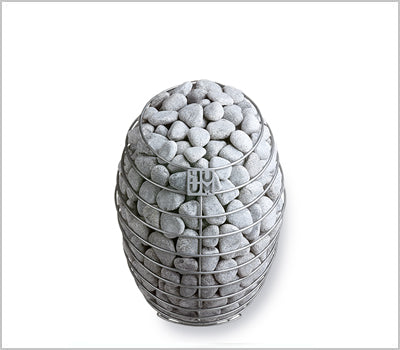
Swedish bastu culture treats sauna bathing as a regular, communal ritual rather than an occasional luxury, and this guide connects that tradition to practical details on temperature, session length, and frequency. It also covers what it costs to build a consistent sauna practice at home, from budget infrared setups to premium Finnish-style builds.
Quick Answers
What is bastu culture in Swedish sauna tradition?
Bastu is the Swedish word for sauna, and the tradition centers on regular, communal heat bathing as part of daily or weekly life. It shares roots with Finnish sauna practice, emphasizing consistency and moderate, repeated sessions rather than occasional intense ones, which research links to better long-term results.
Is traditional sauna or infrared sauna closer to Swedish tradition?
Traditional saunas, heated to 170-190°F with profuse sweating, most closely match Swedish and Finnish bathing customs. Infrared saunas run cooler (120-150°F) and heat the body directly, offering a different but still evidence-backed experience. Choose based on heat tolerance, installation needs, and whether you want the classic bastu feel.
How often do people practice Swedish sauna traditions?
Traditional bastu practice favors frequent, consistent sessions, similar to the Finnish Kuopio study population that used sauna several times per week over decades. A sample progression is 3x/week at 150-160°F for beginners, building to 5-7x/week at 175-190°F as tolerance increases.
How much does it cost to bring sauna tradition home?
Home sauna options range from $200 portable setups to $30,000+ custom builds. Barrel saunas, a style closer to traditional bastu design, run $3,000-$8,000 and require a foundation and electrical work, while indoor Finnish saunas cost $5,000-$15,000 for full construction.
What temperature reflects authentic Swedish sauna bathing?
Authentic bastu-style bathing uses traditional Finnish sauna temperatures of 170-190°F (77-88°C), the range studied in large Finnish cohort research showing cardiovascular benefits. Beginners should start at the lower end of that range and increase gradually as tolerance builds.
TL;DR - Key Takeaways
- Key facts and figures about swedish sauna traditions bastu culture guide
- Expert-verified information from our team of specialists
- Practical steps you can take based on the information in this guide
- Common misconceptions addressed with scientific evidence
- Recommended resources and next steps for further learning
Shop all saunas at SweatDecks
- FD-1 Full-Spectrum Infrared Sauna - $4,695
- FD-3 Full Spectrum Infrared Sauna - $6,495
Affirm financing available. Free curbside shipping on orders over $5,000. See all all saunas.
What You Need to Know About Swedish Sauna Traditions
Understanding swedish sauna traditions bastu culture guide starts with separating fact from marketing hype. Sauna bathing has the strongest evidence base of almost any wellness practice, thanks largely to the Finnish Kuopio Ischemic Heart Disease study that followed 2,315 men for over 20 years.
The key principles to understand:
A Practical Guide to Swedish Sauna Traditions
Getting Started
Begin with shorter sessions at moderate temperatures. For traditional saunas, start at 150-160°F for 8-10 minutes. For infrared saunas, start at 120-130°F for 15-20 minutes.
Building Your Practice
- Week 1-2: 150-160°F for 10 minutes, 3x/week
- Week 3-4: 160-175°F for 12-15 minutes, 4x/week
- Week 5+: 175-190°F for 15-20 minutes, 5-7x/week
Optimizing Your Results
Equipment and Cost Considerations
Budget Options (Under $2,000)
Infrared sauna blankets ($200-$500) and portable tent saunas ($300-$800) provide entry-level access. These won't match the experience of a built sauna but let you establish a regular practice before investing more.
Mid-Range Options ($4,000-$6,000)
Quality barrel saunas from Dundalk and Almost Heaven, or premium infrared cabins from Clearlight and Sunlighten, fall in this range. These provide authentic experiences that can last 15-25 years.
Premium Options ($7,000+)
Custom-built Finnish saunas with premium heaters (Harvia, HUUM), cedar or thermally-modified wood, and professional installation. These are 20-30 year investments.
Recommended Equipment
Budget Pick: BlueCube ($4,200)
- Capacity: 65 gallons
- Temperature Range: 39-99°F
- Chiller: Integrated 0.6HP
- Power: 110V standard outlet
- Material: Composite polymer
- Warranty: 2 years
- Best For: Space-constrained buyers (apartments, small homes)
Best Value: Sun Home Sauna ($5,990)
- Capacity: 88 gallons
- Temperature Range: 37-185°F
- Chiller: Integrated 0.75HP
- Power: 110V standard outlet
- Material: Insulated acrylic
- Warranty: 2 years
- Best For: Users who want both sauna and cold plunge in one unit
Premium Choice: Morozko Forge ($10,900)
- Capacity: 110 gallons
- Temperature Range: 32-104°F
- Chiller: Commercial 1.5HP
- Power: 220V dedicated circuit
- Material: Stainless steel
- Warranty: 5 years
- Best For: Performance enthusiasts who want the absolute best
Frequently Asked Questions
Which is better: traditional sauna or infrared sauna?
Both types provide genuine health benefits through different mechanisms. Traditional saunas heat the air to 170-190°F, producing cardiovascular stress and profuse sweating. Infrared saunas heat the body directly at lower air temperatures (120-150°F), which some users find more tolerable. The Finnish cardiovascular studies used traditional saunas. Infrared saunas have better evidence for chronic pain conditions. Choose based on your primary goals, heat tolerance, and practical considerations (installation, warm-up time, energy cost).
Is sauna safe for people with high blood pressure?
Sauna use actually reduces blood pressure during and after sessions through vasodilation. The Finnish research found that regular sauna users had lower rates of hypertension. However, people with uncontrolled hypertension or unstable cardiovascular conditions should get medical clearance before starting. The acute blood pressure drop upon standing after a sauna (orthostatic hypotension) can cause dizziness - stand up slowly and hydrate adequately.
How much does a home sauna cost?
Home saunas range from $200 for portable options to $30,000+ for custom builds. Infrared saunas: $2,000-$5,000 (minimal installation). Barrel saunas: $3,000-$8,000 (need foundation and electrical). Indoor Finnish saunas: $5,000-$15,000 (significant construction). Monthly operating costs range from $15-$60 depending on type, frequency, and electricity rates. A quality home sauna typically pays for itself within 1-3 years compared to gym or spa memberships with sauna access.
Can sauna help with global traditions?
The connection between sauna use and global traditions is supported by the physiological responses heat exposure triggers - including cardiovascular adaptation, heat shock protein production, and inflammatory pathway modulation. The strength of evidence varies by specific condition, but the general health benefits of regular sauna use are well-established through large-scale epidemiological studies.
What temperature should a sauna be?
Traditional Finnish saunas operate at 170-190°F (77-88°C), which is the range supported by the large Finnish cohort studies showing cardiovascular benefits. Infrared saunas operate at lower temperatures (120-150°F) using a different heating mechanism. The optimal temperature depends on your sauna type, experience level, and health goals. Beginners should start at the lower end of their sauna's range and increase gradually.
What are the proven health benefits of sauna?
The strongest evidence supports cardiovascular benefits: the JAMA Internal Medicine study found 4-7 sauna sessions/week associated with 63% lower risk of sudden cardiac death and 50% lower cardiovascular mortality. Additional supported benefits include reduced respiratory disease risk (41% lower pneumonia), improved endothelial function, reduced inflammatory markers, and improved mental health markers.
How long should a sauna session last?
The research showing the strongest health benefits used sessions of 15-20 minutes at traditional Finnish sauna temperatures. Sessions shorter than 10 minutes may not produce sufficient cardiovascular stress for adaptation. Sessions beyond 30 minutes increase dehydration risk without clear additional benefit. For infrared saunas, 30-45 minutes is typical due to the lower operating temperatures.
How often should you use a sauna?
The Finnish Kuopio study found that men using the sauna 4-7 times per week had 50% lower cardiovascular mortality compared to once-weekly users. The dose-response relationship is clear: more frequent use correlates with greater health benefits. Even 2-3 sessions per week shows measurable improvements. Daily use is considered optimal for serious practitioners.
Related Articles
- Estonian Sauna Tradition: The Other Baltic Sauna Culture
- Chinese Medicine and Temperature Therapy: Eastern Perspectives
- Russian Banya Guide: Tradition, Etiquette and Health Benefits
- Irish Sea Swimming Culture: Year-Round Cold Water Guide
- Moroccan Hammam: North African Bathing Culture
Ready to Get Started?
Browse our cube saunas and barrel saunas collections to find the perfect fit for your backyard wellness retreat. Popular picks include the Saunalife CL5G, the Saunalife CL7G, the Saunalife E7G, and the Saunalife E8.
Request a free consultation or call us at (817) 371-0089 - we serve Austin, Los Angeles, and Houston.
🔧 Need Installation Planning Help?
Browse our sauna installation guide to find installation planning steps, electrical checks, foundation notes, and SweatDecks support options.
Browse our expert-tested Sauna collection.