Humidity Ratio: Why the Same Temperature Feels Completely Different
Humidity ratio is the measure of water vapor present in the air relative to dry air. In sauna terms, it's the difference between a dry, sharp 190F Finnish sauna and a heavy, suffocating 150F steam room. Both are hot, but the humidity ratio changes everything about how that heat interacts with your body. Understanding humidity is key to dialing in your ideal sauna experience.
Quick Answers
What is a typical steam room temperature and humidity?
A typical steam room runs at 110-120F with nearly 100% relative humidity. That's much lower temperature than a dry sauna, but the high humidity slows sweat evaporation, which is why steam rooms can feel intensely hot despite the lower thermometer reading.
Why does a steam room feel hotter than a dry sauna?
Your body cools itself through sweat evaporation, and high humidity slows that process, trapping heat against your skin. This is why a 150F steam room can feel more oppressive than a 190F dry Finnish sauna, even though the dry sauna's air temperature is much higher.
What humidity level does a traditional Finnish sauna run at?
A traditional Finnish sauna typically runs 10-20% relative humidity when dry. Pouring water on the sauna stones to create loyly temporarily spikes humidity to 40-60% or higher before it gradually settles back down.
How do you measure humidity in a sauna?
A thermometer-hygrometer combo mounted at head height gives real-time humidity readings alongside temperature. Tracking both, along with the dry bulb and wet bulb relationship, helps you identify and consistently replicate the conditions you prefer.
Is a drier sauna or a more humid one better?
Neither is objectively better, it depends on preference. Higher humidity at lower temperatures feels gentler and often suits beginners, while lower humidity at higher temperatures creates the sharp, penetrating dry heat experienced bathers tend to favor.
How Humidity Works in a Sauna
A traditional Finnish sauna typically operates between 10-20% relative humidity when running dry. When you pour water on the sauna stones to create loyly, humidity spikes temporarily to 40-60% or higher before gradually settling back down. A steam room, by contrast, runs at nearly 100% humidity at much lower temperatures (110-120F).
The reason humidity matters so much is evaporation. Your body cools itself by sweating, and sweat only cools you when it evaporates. High humidity slows evaporation, trapping heat in your body more effectively. This is why a 150F steam room can feel more intensely hot than a 190F dry sauna - your cooling system is compromised.
Finding Your Sweet Spot
Most sauna enthusiasts find their ideal experience somewhere between bone-dry and heavily humid. A few ladles of water on the stones creates a burst of loyly that temporarily raises humidity and intensifies the heat without making it oppressive. This is the classic Finnish approach - dry baseline heat punctuated by steam bursts.
Higher humidity at lower temperatures tends to feel more gentle and is often preferred by beginners. Lower humidity at higher temperatures creates the sharp, penetrating dry heat that experienced bathers favor. Neither is "better" - it depends on your goals and preferences.
Measuring Humidity
A quality thermometer-hygrometer combo mounted at head height gives you real-time humidity readings alongside temperature. This lets you understand exactly what conditions you prefer and replicate them consistently. Pay attention to the dry bulb and wet bulb temperature relationship for a complete picture.
Related Terms
Dial In Your Perfect Conditions
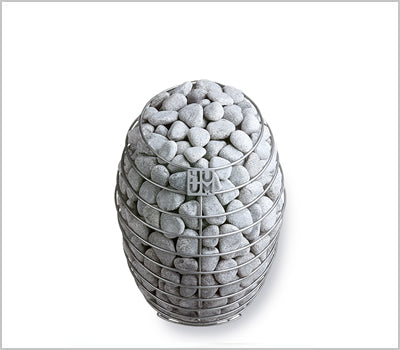
Our outdoor saunas with traditional stone heaters let you control humidity precisely. Add a sauna bucket and ladle to create your ideal loyly experience.
How to Use This Guide
Use this guide as a practical starting point, then confirm product specifications, installation requirements, electrical needs, water care steps, and medical considerations with the appropriate professional before making a final decision.
Where SweatDecks Can Help
SweatDecks helps shoppers compare saunas, cold plunges, heaters, accessories, delivery requirements, and setup considerations so the finished wellness space is easier to buy, install, and maintain.
Practical Buying Context
When comparing sauna, cold plunge, heater, steam, or accessory options, review the product specifications, installation manual, warranty terms, delivery requirements, maintenance routine, and compatibility details before choosing a model. The right answer often depends on available space, power, plumbing, climate, budget, and who will use the setup.
When to Get Professional Help
Use qualified professionals for electrical work, plumbing, structural support, ventilation, medical questions, and local code requirements. SweatDecks can help with product research and planning questions, but final installation and safety decisions should match the manufacturer instructions and applicable local requirements.
Decision Checklist
Before acting on this topic, compare the relevant product specifications, space requirements, care routine, warranty terms, replacement parts, and installation constraints. For health, electrical, plumbing, structural, or code questions, confirm details with the appropriate qualified professional.
Related SweatDecks Research Paths
Most sauna and cold plunge decisions connect to a few core questions: how much space you have, how often the setup will be used, what maintenance feels realistic, and whether the product fits your budget, climate, delivery path, and long-term wellness routine.
What to Verify Before You Decide
Use this article as a starting point, then check current product specifications, manufacturer instructions, delivery requirements, warranty terms, and maintenance expectations. Sauna and cold plunge projects can involve heat, water, electricity, ventilation, structural support, and personal health considerations, so the best next step is often to confirm details with the appropriate qualified professional before purchase or installation.
How This Connects to a Home Wellness Setup
The strongest buying decisions balance comfort, safety, durability, budget, and daily usability. SweatDecks helps shoppers compare sauna, cold plunge, steam, heater, chiller, and accessory options so the finished setup fits the space, routine, and long-term ownership plan.
Browse our expert-tested cold plunge collection.